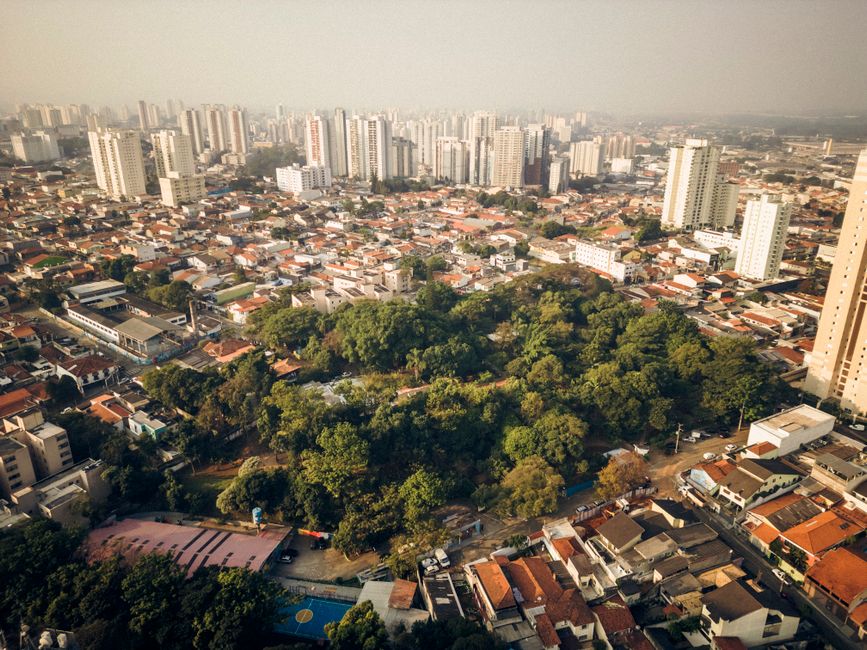
São Paulo's amateur sports ecosystem thrives beneath the radar of professional clubs and mega-stadiums. Whether you're a newcomer to the city or a lifelong resident looking to stay active, joining a recreational league or club is straightforward—if you know where to look and what to expect financially.
The most accessible entry point remains futsal. Courts operate throughout the city, with concentrated hubs in Vila Madalena, Pinheiros, and Vila Mariana. Most neighbourhood clubs charge between R$80 and R$150 per player per match, with league seasons running March-May and August-October. The Federação Paulista de Futsal maintains an updated registry of affiliated clubs; their website lists over 400 registered teams across competitive and recreational divisions. First-timers should bring indoor court shoes and arrive 15 minutes early for registration paperwork.
Volleyball has experienced steady growth in amateur circles. The Associação dos Clubes Brasileiros de Voleibol oversees recreational leagues in the metropolitan area, with courts at Parque da Água Branca, Parque Villa-Lobos, and community centres in Zona Leste neighbourhoods. Monthly affiliation fees typically range R$120-R$200, covering court time and administrative costs. Teams require a minimum of eight players; many clubs help newcomers form squads or join existing rosters.
Running clubs offer the lowest barrier to entry. Groups like Movimento Brasil and local chapters affiliated with the Confederação Brasileira de atletismo meet regularly at Ibirapuera Park and along the Pinheiros River pathways. Most are free or charge nominal monthly dues (R$30-R$50) for organized training and race coordination. These communities welcome complete beginners alongside experienced marathoners.
Basketball's recreational scene centres on municipal courts and private clubs. The Confederação Brasileira de Basketball lists amateur leagues in Zona Norte and Zona Sul; participation costs range R$200-R$400 monthly depending on court quality and coaching availability.
Before committing, visit prospective clubs during active hours to assess facilities, observe team dynamics, and confirm schedules. Most require valid ID and proof of address for registration. Many clubs now use WhatsApp groups for communication and scheduling—expect frequent notifications if you join mid-season.
The crucial detail: start with trial sessions. Most clubs permit one or two free visits before membership commitment. This allows you to gauge fitness demands, social compatibility, and whether the investment aligns with your schedule. São Paulo's recreational sports culture rewards commitment but respects the reality that amateur participation remains, fundamentally, about enjoyment.
This article was compiled by AI from the sources linked above and screened before publishing. See our editorial standards.