São Paulo's Football Renaissance Hinges on Aging Stadiums and New Infrastructure Push
As the city hosts major competitions, investment in modern facilities remains critical to keeping Brazil's football capital competitive.
As the city hosts major competitions, investment in modern facilities remains critical to keeping Brazil's football capital competitive.
São Paulo's status as a global football powerhouse faces a growing infrastructure challenge. With the state's four major clubs—Corinthians, São Paulo FC, Palmeiras, and Santos—competing at the highest levels, the quality of training grounds, stadiums, and support facilities has become essential to maintaining competitive advantage.
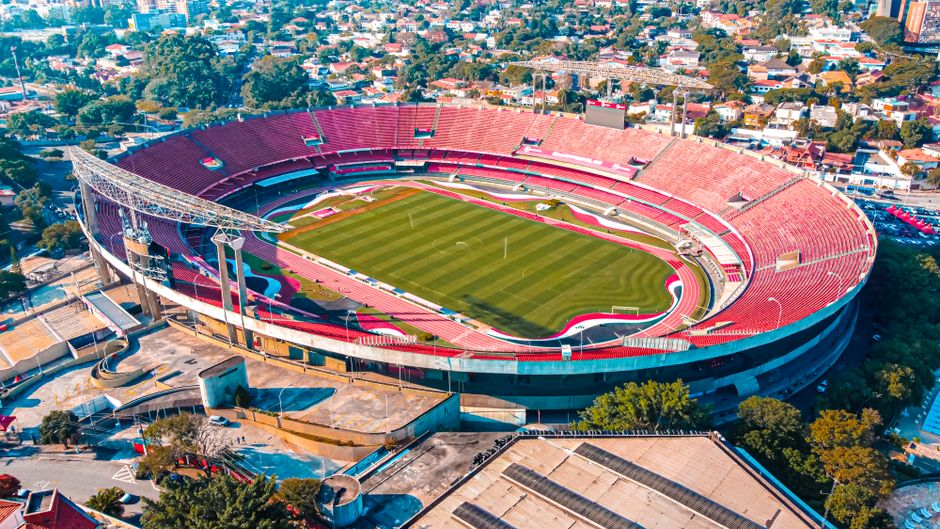
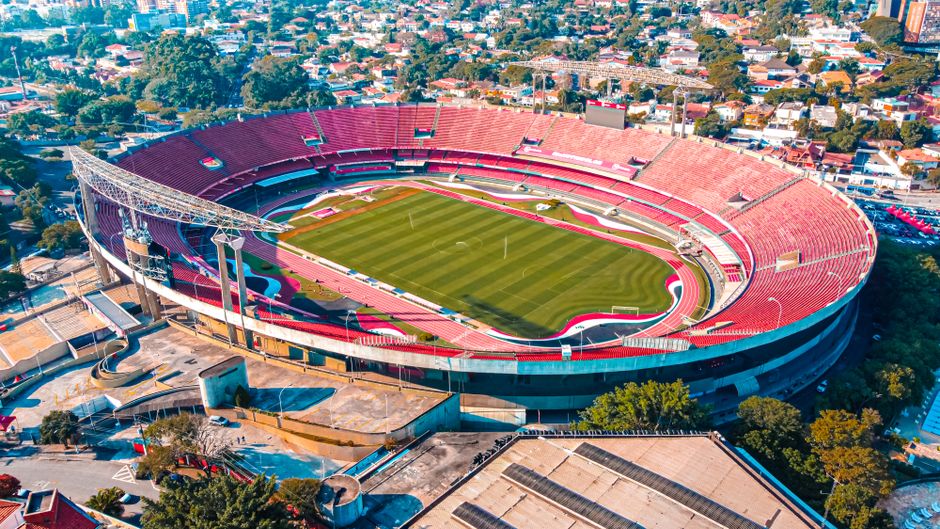
The Estádio do Morumbi, home to São Paulo FC in the affluent Morumbi neighbourhood, underwent significant renovations ahead of recent continental competitions, bringing capacity to approximately 72,000 with improved accessibility standards. Similarly, Palmeiras' Allianz Parque in Perdizes has become a model for modern stadium management since its 2014 opening, featuring state-of-the-art training annexes and medical facilities that rival European standards.
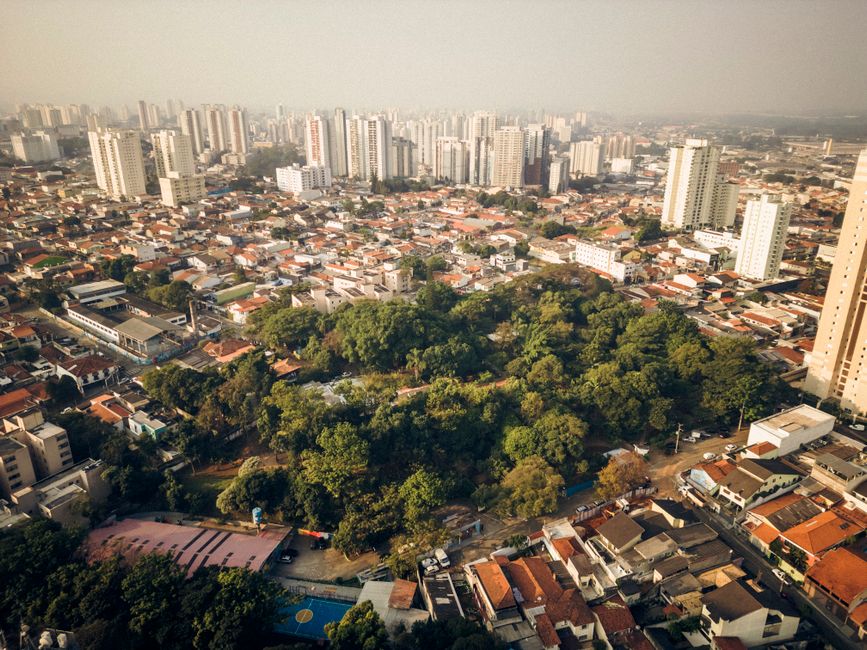
However, infrastructure gaps persist. Many academies across the city's periphery—in zones like Itaquera, Tatuapé, and Pirituba—operate with limited resources despite producing world-class talent. Investment in these grassroots facilities remains uneven, with private clubs maintaining superior training grounds compared to municipal programmes.
The city's transport infrastructure also plays a crucial role. Match days on the Linha Vermelha and Linha Azul of the Metro see congestion as fans travel to distant stadiums. Recent improvements to bus corridors connecting neighbourhoods to major venues have helped, but experts suggest dedicated sports transit corridors could reduce pre-match journey times by up to 40 per cent.
Municipal authorities have prioritized developing smaller neighbourhood pitches across the city's 96 districts. Synthetic pitch installations in areas like Vila Madalena and Tatuapé cost approximately 2.5 million reais per venue but have significantly increased community participation in youth football programmes. Data from the São Paulo Sports Secretariat shows that accessible public facilities have increased youth registration by 35 per cent since 2023.
The challenge ahead remains balancing elite-level infrastructure with grassroots accessibility. While major clubs invest privately in their facilities, the broader ecosystem—public training grounds, academy partnerships, and community spaces—requires sustained municipal commitment. As São Paulo positions itself for continued international recognition in football, the infrastructure supporting both professional and amateur sport will determine whether the city can sustain its talent pipeline and remain at football's forefront.
This article was compiled by AI from the sources linked above and screened before publishing. See our editorial standards.
How does this story make you feel?
Spread the word
About this article
Published by The Daily São Paulo
Daily brief
Free, in your inbox before 7am. Weekdays.
More in Sport