São Paulo's reputation as Brazil's sporting heartland rests on more than tradition and passion. The city's infrastructure—a sophisticated network of stadiums, training centres, and Olympic-standard facilities scattered across neighbourhoods from Vila Madalena to the ABC region—represents decades of investment that continues to define competitive sport at every level.
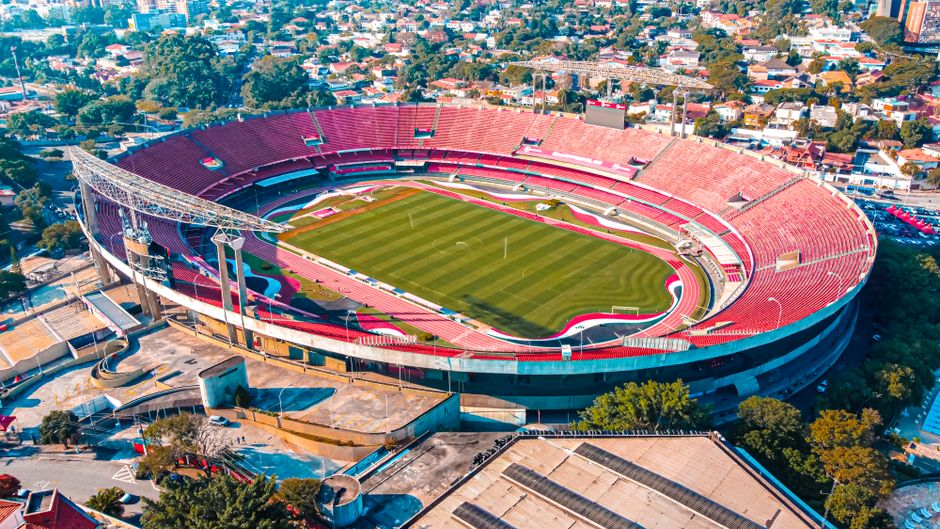
The Estádio do Morumbi remains emblematic of this infrastructure ambition. Built in 1960 and repeatedly modernised, the venue's 72,000-seat capacity reflects São Paulo's capacity to host elite competitions. Yet the city's strength lies in its distributed network. The Estádio do Imigrantes in Santo Amaro, with its distinctive cantilever design, accommodates 63,000 spectators and serves as home to Santos-based clubs when they play locally. Across the metropolitan area, smaller grounds like the CT da Barra Funda—the Corinthians training academy in Perdizes—develop the next generation of talent.
Volleyball showcases this infrastructure advantage most visibly. São Paulo hosts multiple indoor arenas capable of international standards. The Ginásio do Morumbi and Ginásio do Pacaembu have hosted World League matches and Olympic qualifiers, while municipal facilities across Zona Leste provide grassroots development opportunities. The state federation reports that over 45,000 registered volleyball players train in facilities across the city, a pipeline unmatched elsewhere in Brazil.
Athletics infrastructure has expanded significantly. The Estádio do Inamar in Diadema and track facilities at the Centro de Treinamento da Confederação Brasileira de Atletismo (CBAT) provide training grounds for sprinters and distance runners who compete internationally. Investment in these facilities—estimated at R$85 million over the past decade—reflects strategic planning by state sports secretariat and municipal authorities.
Yet challenges persist. Maintenance costs strain municipal budgets. The Ginásio do Pacaembu, a historic venue built in 1940, required extensive renovation work through 2024 to meet contemporary safety and accessibility standards. Similar pressures affect older grounds across the city. Local administrators balance heritage preservation against the need for modern facilities that can attract international competitions and generate revenue through hosting rights.
The infrastructure advantage translates directly into competitive success. São Paulo produces approximately 30 per cent of Brazil's professional footballers and hosts training academies for several national teams. Investment in facilities—from youth complexes in peripheral neighbourhoods to elite coaching centres in central zones—creates pathways that other states struggle to match.
As São Paulo positions itself for future Olympic hosting bids and continental tournaments, the quality and accessibility of this infrastructure network will remain crucial. The city's stadiums and training complexes are not merely venues; they are the physical manifestation of São Paulo's sporting ambitions.
This article was compiled by AI from the sources linked above and screened before publishing. See our editorial standards.