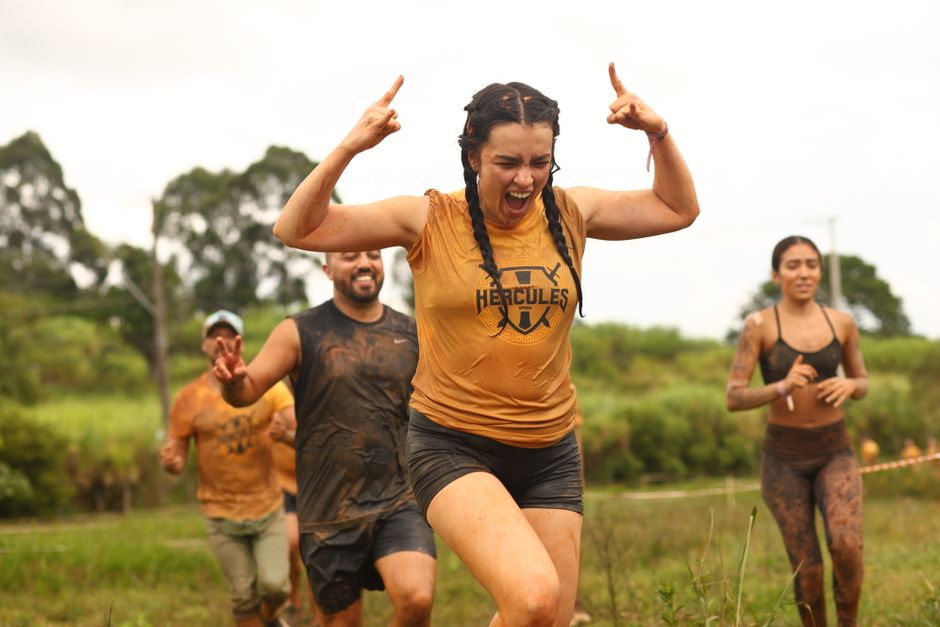
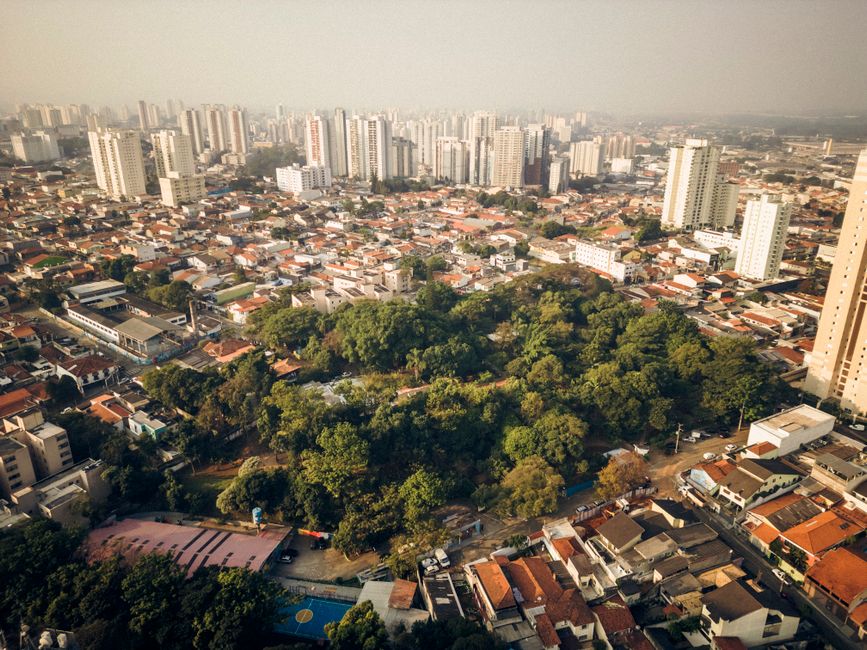
On Saturday mornings along the Pinheiros riverside, a familiar sight has become unmissable: hundreds of runners in club kits gathering before dawn, their energy crackling through the Parque do Imigrantes pathway. What once felt like a niche pursuit has blossomed into a genuine movement reshaping how São Paulo's residents approach fitness and belonging.
The numbers tell the story. Local triathlon and running clubs across the greater metropolitan area report membership growth of 35-40% over the past three years, according to data compiled by the São Paulo Endurance Sports Association. Cycling clubs in Vila Madalena and around Avenida Paulista have seen similar expansion, with weekend group rides now regularly attracting 150+ participants where a decade ago, 30 was considered a strong turnout.
Club participation fees typically range from R$80 to R$200 monthly—modest enough for middle-class members but meaningful enough to fund coaching, organised races, and community initiatives. The Clube de Triatletes de São Paulo, based near Imigrantes, now operates four separate training tracks weekly and has established a mentorship programme connecting seasoned athletes with newcomers across all neighbourhoods from Zona Leste to Zona Oeste.
What distinguishes this boom from typical fitness trends is the intentional community-building element. Running clubs aren't just scheduling workouts; they're hosting recovery workshops, organising fundraisers for local charities, and creating social calendars that extend far beyond training sessions. A Saturday long run in Imigrantes often transforms into a neighbourhood gathering, with post-run gatherings at local cafés becoming de facto social anchors.
Cycling communities around the Ciclovia da Avenida Paulista have similarly embraced inclusivity. Mixed-ability group rides ensure that both competitive cyclists and recreational riders feel welcome, while women-focused cycling collectives have emerged in Pinheiros and Saúde, creating safer spaces and addressing the historical male-dominance of cycling culture.
The infrastructure investment has followed. Municipal authorities have expanded cycling infrastructure, while private facilities have opened dedicated triathlon training centres in Vila Olímpia and Mooca. Local running stores now function as genuine community hubs, offering gait analysis, nutrition advice, and serving as unofficial headquarters for club organising.
These clubs also demonstrate sport's resilience during uncertain times. As São Paulo navigates economic pressures and social fragmentation, endurance sport communities have become reliable gathering spaces—places where strangers become teammates, where shared struggle builds genuine connection, and where personal achievement is celebrated within a broader context of collective growth.
This article was compiled by AI from the sources linked above and screened before publishing. See our editorial standards.