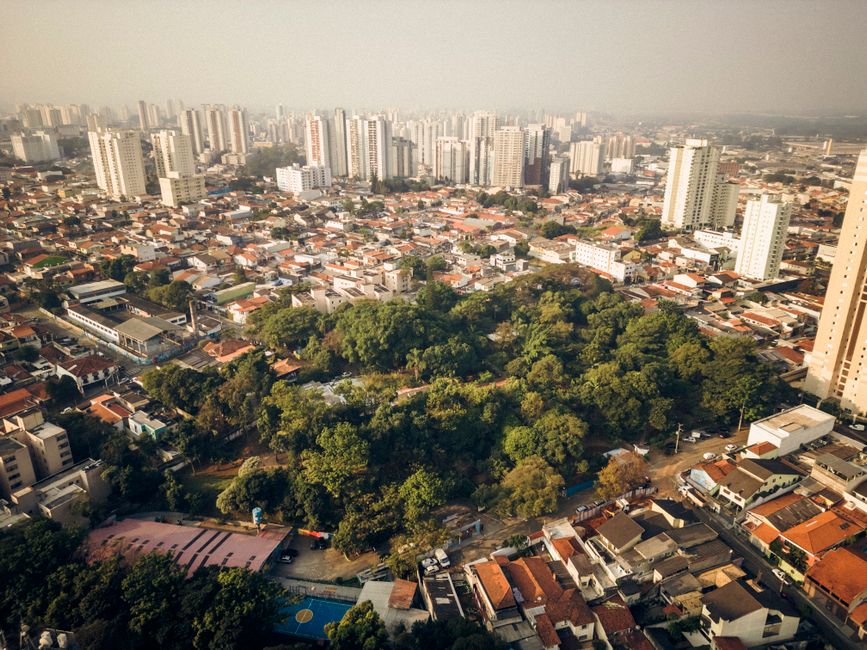
The unexpected World Cup run by Cape Verde's national football team has ignited something extraordinary across São Paulo's sprawling diaspora community. What began as a long-shot campaign has transformed into a genuine phenomenon, with thousands of Cape Verdean expatriates—many concentrated in neighbourhoods like Bom Retiro and Brás—mobilising to support their nation's historic tournament performance.
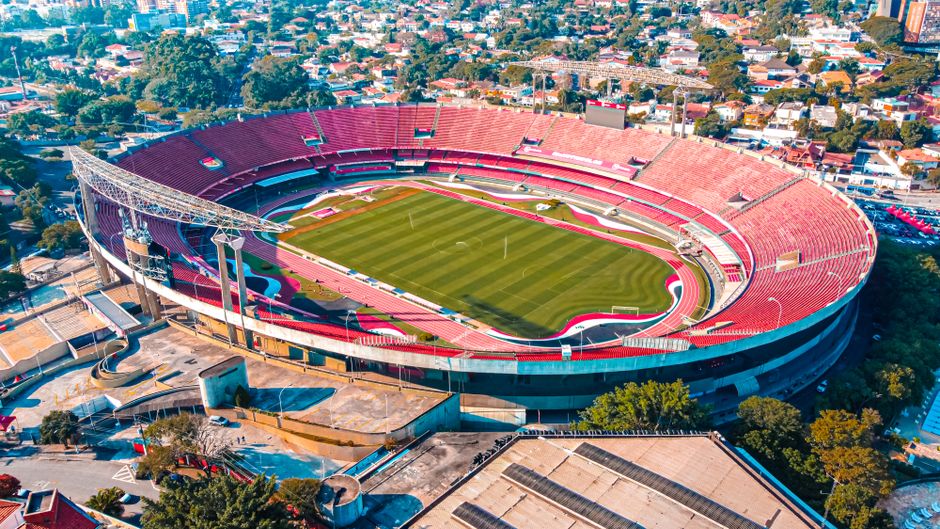
The energy has been particularly evident at Estádio Cícero Pompeu de Toledo, better known as Morumbi, where Cape Verde's upcoming matches have triggered unprecedented ticket demand. Located in the upscale Vila Mariana district, the 72,600-capacity stadium has become the de facto gathering place for São Paulo's Cape Verdean population, many of whom travelled to Brazil decades ago seeking opportunities in manufacturing, construction, and service industries.
"We never expected to see this moment," said one community organiser working through the Associação Caboverdeana de São Paulo, describing the atmosphere as electric. The organisation has coordinated transportation for supporters from various São Paulo neighbourhoods, with buses departing from the Luz station area heading toward the stadium in the southwestern zone of the city.
Ticket prices have reflected the surge in interest, with standard seating ranging from 150 to 400 reais for group matches, while premium seats near midfield have climbed substantially higher. Local vendors around Avenida Morumbi report brisk sales of Cape Verdean flags and merchandise, with small shops in the Pinheiros neighbourhood reporting stock shortages.
The tournament represents a watershed moment for a nation of merely 560,000 people, a cricket-sized population that somehow qualified for football's greatest competition. For São Paulo's estimated 50,000-strong Cape Verdean community—though exact figures remain difficult to pin down—the matches carry deep personal significance beyond sport. Many supporters have family members still living on the islands of Santiago, Santo Antão, and Sal, making these fixtures a bridge between continents.
Transport authorities have noted increased congestion around Morumbi during match days, particularly along the Marginal Pinheiros expressway. The stadium's proximity to Vila Mariana's metro station has also seen elevated passenger volumes during evening fixtures.
Whether Cape Verde advances further in the tournament or not, their 2026 World Cup campaign has already delivered something invaluable: a moment of collective pride for a diaspora community often overlooked in São Paulo's vast sporting landscape. For these expatriates, watching their national team compete on football's grandest stage at home—in Brazil, in their adopted city—represents validation of their own journey.
This article was compiled by AI from the sources linked above and screened before publishing. See our editorial standards.