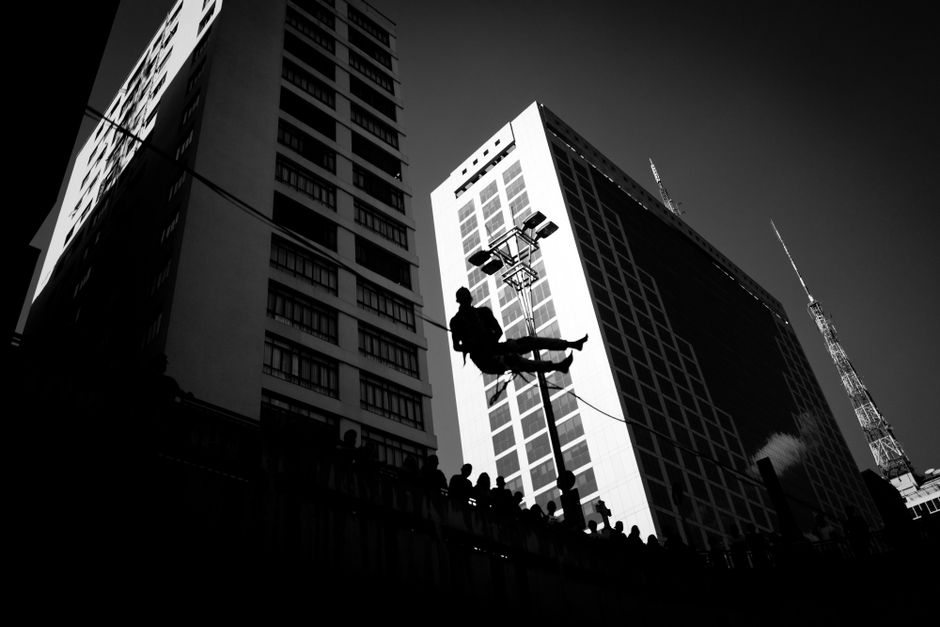
São Paulo's vertical sports scene has undergone a remarkable transformation over the past five years, driven by substantial investment in climbing facilities and outdoor infrastructure that now rivals major international centres. The city's growing network of gyms, outdoor routes, and training grounds reflects both grassroots enthusiasm and professional ambition in a market that Brazilian climbing federation data suggests has expanded by approximately 40 percent since 2021.
In Vila Mariana, the neighbourhood has become an epicentre for indoor climbing infrastructure. The recently expanded climbing gyms in the region now feature rope walls reaching 15 metres, bouldering sections, and dedicated training areas for sport climbers. Monthly membership fees typically range from R$ 280 to R$ 450, making year-round training accessible to serious athletes while attracting casual enthusiasts. These facilities employ certified instructors and maintain international safety standards, essential for a sport where precision and proper technique prevent injury.
Beyond the city's air-conditioned walls, São Paulo's natural climbing areas provide authentic outdoor experiences. The Serra da Cantareira, approximately 40 kilometres north of the Pinheiros neighbourhood, has become increasingly developed with established climbing routes. The limestone formations and granite faces here support everything from beginner multipitch routes to advanced technical climbs, with routes numbered in the hundreds across varying difficulty grades.
The Parque da Cantareira infrastructure includes parking facilities, marked trails, and designated climbing zones managed in partnership with local environmental authorities. Access costs approximately R$ 30 per vehicle, with the park receiving roughly 15,000 visitors monthly during peak climbing season. Recent improvements to signage and route marking have enhanced safety and accessibility for climbers of varying experience levels.
Equipment rental services have proliferated across neighbourhoods including Pinheiros and Consolação, reducing barriers to entry for newcomers. Local retailers stock international brands alongside Brazilian manufacturers, creating a competitive market that has driven prices down while quality standards remain high. A complete rope setup now costs substantially less than five years ago, reflecting market maturation.
The infrastructure expansion extends to training facilities specialising in specific disciplines. Sport climbing gyms offer lead climbing walls with adjustable anchors, while bouldering-focused facilities have proliferated in suburban areas like Taboão da Serra, where land costs permit larger spaces. These venues often host monthly competitions, creating a structured pathway for athletes pursuing climbing competitively.
São Paulo's climbing infrastructure now supports approximately 8,000 active members across major gym networks, with participation growing fastest among women aged 18-35. As the city continues developing accessible facilities while protecting natural climbing areas, São Paulo increasingly positions itself as Brazil's premier climbing destination.
This article was compiled by AI from the sources linked above and screened before publishing. See our editorial standards.