São Paulo's Summer Stadium Circuit: Which Venues Will Host Brazil's Decisive Finals?
As the 2026 season enters its critical phase, the city's iconic grounds prepare for a cascade of championship matches that will define the year in Brazilian sport.
As the 2026 season enters its critical phase, the city's iconic grounds prepare for a cascade of championship matches that will define the year in Brazilian sport.
São Paulo's sporting calendar is poised for a dramatic convergence this winter, with the state's flagship venues preparing to host a unprecedented run of finals across football, volleyball, and futsal. The question isn't whether the city will dominate the national sporting landscape—it's how its aging but beloved stadiums will manage the demand.
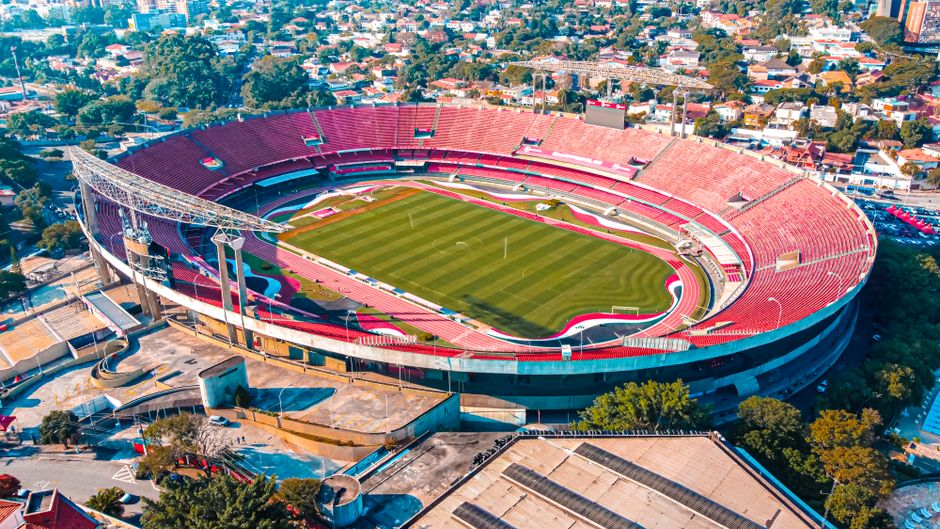
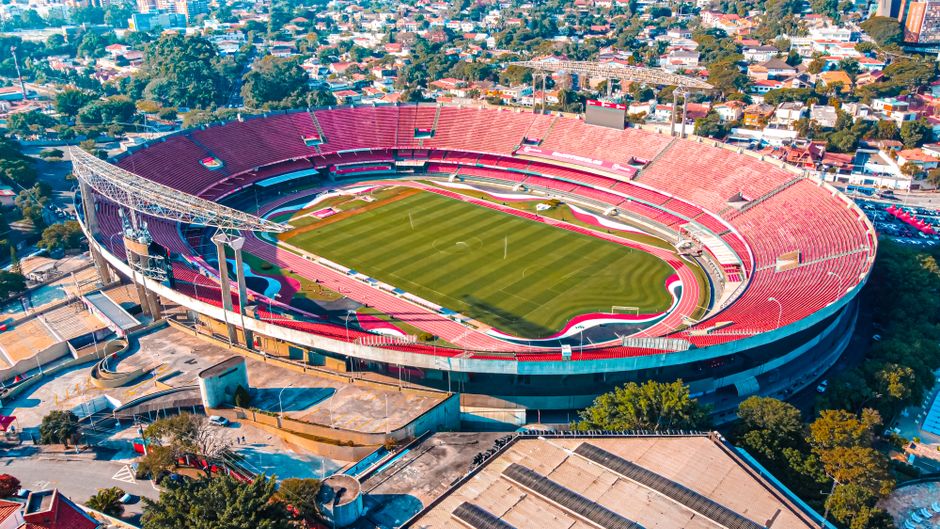
The Estádio do Morumbi, Corinthians' spiritual home in the Zona Oeste, is already locked into hosting matches for the Campeonato Paulista semi-finals in July. The venue, which holds 72,000, saw significant infrastructure upgrades in 2025 that improved sightlines and expanded premium seating—critical as ticket prices have climbed 40 percent since 2024. The Morumbi's location along Rua Morumbi offers easier access than the more distant Itaquerão, making it the federation's preferred choice for high-profile encounters.
Meanwhile, the Allianz Parque in Perdizes continues its reign as the state's most modern facility. With a 30,000 capacity and cutting-edge climate control systems, it's become the default venue for neutral finals and international friendlies. The stadium's position—accessible from both the Centro and northern zones via the Metro Verde line—has proven invaluable during high-traffic events. Recent renovations to its northeastern entrance, completed in April, have reduced bottlenecks that plagued previous tournaments.
The Estádio do Pacaembu, the historic jewel in Centro-Oeste, remains in limbo. While its 40,000-seat capacity and heritage status make it symbolically important for marquee events, ongoing structural assessments have limited its scheduling flexibility. The venue's potential hosting of the Copa do Brasil regional qualifiers depends on completion of safety certifications expected by mid-August.
Volleyball's supremacy in São Paulo's summer calendar cannot be overstated. The Ginásio do Ibirapuera, with its 3,500-seat configuration, is reserved for the Superliga finals series beginning in September. The venue's acoustic design and intimate scale create an electric atmosphere that larger stadiums cannot replicate—a factor that's elevated ticket demand to near-capacity levels, with standard seats priced between 80 and 250 reais.
What distinguishes this season is the coordination challenge. With the Paulista championship, Copa do Brasil, and international friendlies overlapping across six weeks, venue managers face unprecedented scheduling pressure. The CBV and FPF have already established a coordinating committee to manage ground availability, setting a precedent for how São Paulo's sporting infrastructure navigates peak-season congestion.
For fans, the abundance of elite-level competition offers unprecedented access to decisive moments. For the venues themselves, it's a test of whether 21st-century upgrades can sustain the city's historic sporting appetite.
This article was compiled by AI from the sources linked above and screened before publishing. See our editorial standards.
How does this story make you feel?
Spread the word
About this article
Published by The Daily São Paulo
Daily brief
Free, in your inbox before 7am. Weekdays.
More in Sport