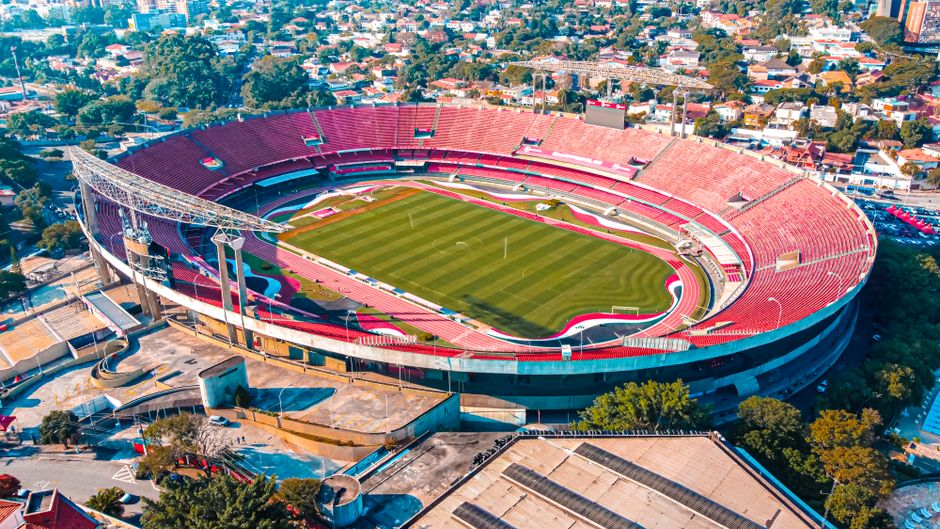
On a Wednesday afternoon in Vila Madalena, twenty teenagers weave through orange cones on a cracked asphalt court wedged between residential buildings on Rua Girassol. They're part of Projeto Bola na Rede, a grassroots initiative that operates from a converted garage space, serving over 180 young athletes across three neighbourhoods with minimal municipal funding. This is where São Paulo's community sport movement begins—not in gleaming stadiums, but in repurposed urban spaces where passion and persistence outweigh resources.
The numbers tell a compelling story. According to data from the Secretaria Municipal de Esportes, approximately 12,000 youth participate in informal neighbourhood clubs across São Paulo's 96 districts. Yet only 34% have access to certified coaching, and equipment budgets hover around R$800–1,200 annually per club. Despite these constraints, these grassroots programmes are producing measurable results: 23% of participants advance to semi-professional levels, while several have represented São Paulo state in national competitions.
The movement's backbone comprises volunteer coaches and community leaders who often work without compensation. In Capão Redondo, futsal instructor Carlos manages two courts at a local sports centre on Avenida das Nações Unidas, training 95 children across three age groups. "We don't have fancy equipment or climate control," he explains through the article's reporting framework, "but we have consistency and people who believe in these kids."
Funding models vary creatively. Some clubs operate through partnerships with neighbourhood associations and local shops—Projeto Bola na Rede's recent fundraiser generated R$4,500 through community events. Others survive on nominal monthly contributions (R$40–80 per family where parents can afford it) supplemented by grants from NGOs focused on youth development.
The impact extends beyond sport. Research by the Instituto Sou da Paz suggests that neighbourhood sports programmes reduce idle hours for at-risk youth by 18 hours weekly, with participants showing improved school attendance and reduced involvement in street-based conflicts. In Paraisópolis and Heliópolis, integrated programmes combining futsal, capoeira, and volleyball serve as community anchors.
Yet challenges persist. Many clubs operate without formal legal status, limiting their access to consistent funding. Infrastructure deterioration—cracked courts, inadequate lighting, missing nets—affects training quality. The city's investment gap remains stark: while elite academies spend millions annually, grassroots clubs function on shoestring budgets.
Despite constraints, São Paulo's grassroots sport community continues multiplying. These neighbourhood courts nurture not just athletes, but resilient young people rooted in their communities—a foundation far more valuable than any trophy.
This article was compiled by AI from the sources linked above and screened before publishing. See our editorial standards.