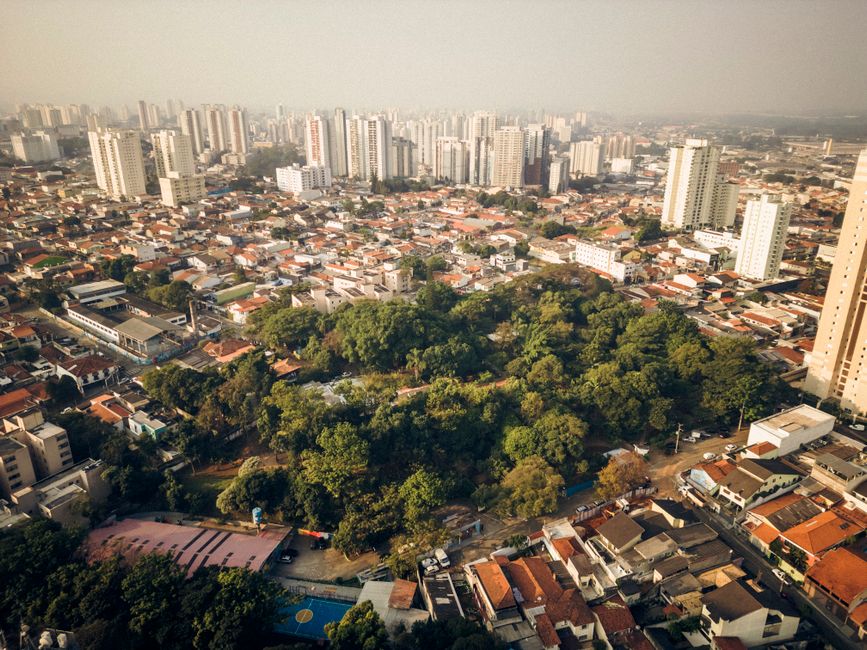
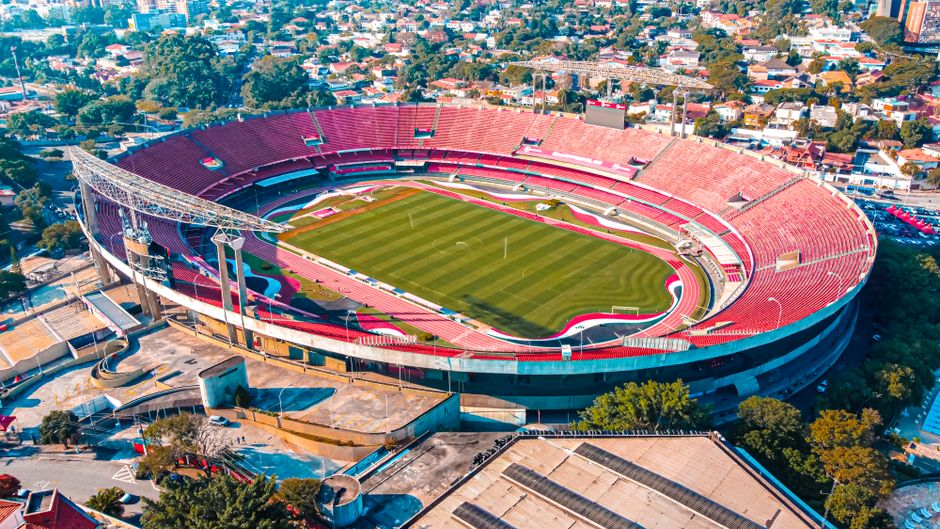
São Paulo's football landscape is undergoing a quiet revolution. While international attention often focuses on marquee matches at the Estádio do Morumbi or the Allianz Parque, the city's real transformation is happening in its training grounds, academy facilities, and neighbourhood pitches—infrastructure that quietly shapes the sport's future across this sprawling metropolis of 12 million people.
The Morumbi stadium, home to São Paulo FC since 1960, continues its modernisation efforts. The venue's recent renovations aim to bring capacity closer to 75,000 while improving spectator facilities and accessibility. But equally significant are the investments behind the scenes: the club's training centre in the Barra Funda neighbourhood now houses multiple pitches with FIFA-standard specifications, serving as a model for how legacy clubs are adapting to contemporary demands.
Across the city, the proliferation of municipal and private academies reflects a democratic shift in football infrastructure. The Corinthians' training complex in Tatuapé, sprawling across 200,000 square metres, welcomes thousands of young players annually. Meanwhile, smaller clubs and neighbourhood associations have upgraded facilities in working-class districts like Itaquera and Itaim Paulista, where synthetic pitches—once luxuries—are becoming standard.
The infrastructure expansion extends beyond traditional clubs. Several universities and sports institutes along Avenida Paulista and in the Vila Madalena neighbourhood now operate regulation-standard training facilities, making professional-level infrastructure accessible to amateur and semi-professional leagues. The São Paulo Football Federation has documented nearly 40 certified training centres across the metropolitan region, a figure that has doubled since 2020.
Investment costs remain substantial. A FIFA-approved training facility typically requires R$15–25 million in initial development, placing such infrastructure largely in the hands of established institutions. Yet grassroots initiatives have emerged: community associations in Pinheiros and Saúde have partnered with municipal authorities to refurbish neighbourhood pitches, democratising access to quality surfaces.
This infrastructure expansion matters beyond recreation. Young players from São Paulo's periphery increasingly have access to the same training standards as their counterparts in Europe's elite academies. Several recent talents who progressed through these upgraded facilities have attracted international interest, suggesting the investment cycle is generating tangible returns.
As São Paulo prepares for potential hosting of future continental tournaments, these behind-the-scenes investments in venues, training centres, and academy infrastructure represent the city's commitment to sustaining its position as Brazil's football epicentre—one facility at a time.
This article was compiled by AI from the sources linked above and screened before publishing. See our editorial standards.