São Paulo's sporting infrastructure tells the story of a metropolis constantly reinventing itself. With over 12 million residents across the greater metropolitan area, the state has built a network of facilities that extends far beyond the famous names that dominate local consciousness.
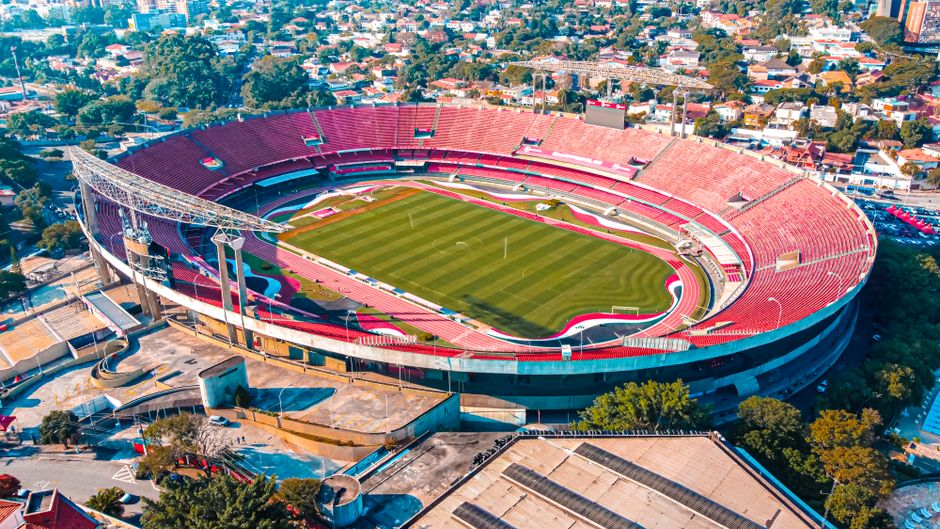
The Estádio do Morumbi remains emblematic of São Paulo's sporting legacy. Inaugurated in 1960 and expanded to 72,798 capacity, it stands in the upscale Vila Mariana neighbourhood as a monument to football culture. Yet increasingly, São Paulo's sporting ecosystem depends on a more distributed infrastructure. The São Paulo FC training centre in Barra Funda has undergone significant modernisation, with investment reaching approximately R$50 million over recent years, positioning the club for elite European competition standards.
Beyond football, the Ibirapuera neighbourhood hosts the historic Ginásio do Ibirapuera, a 3,561-capacity venue that has served basketball, volleyball, and cultural events since 1954. The facility underwent substantial renovation in the early 2020s, reflecting broader municipal efforts to preserve heritage while meeting contemporary sporting demands.
The São Paulo Sports Complex in the Itaquera district—developed through public-private partnerships—demonstrates the state's strategic approach. Originally built for the 2016 Olympic Games preparations, it now serves athletics, swimming, and training for multiple sports federations. Rental rates for professional teams typically range from R$8,000 to R$15,000 per session, making accessibility a persistent challenge for smaller clubs and grassroots programmes.
Investment patterns reveal interesting priorities. The state government allocated approximately R$180 million for sports infrastructure between 2023 and 2026, focusing on Olympic legacy projects and interior municipalities. Cities like Campinas and Santos have benefited from this distribution, reducing São Paulo's historical centralisation of elite facilities.
Yet challenges persist. Many traditional neighbourhoods like Pinheiros and Vila Madalena lack adequate public sporting facilities, forcing residents toward private clubs with membership fees exceeding R$300 monthly. The Secretaria de Esportes has acknowledged this gap, though implementation of promised community centres remains inconsistent.
Looking ahead, São Paulo's infrastructure trajectory hinges on balancing commercial demands—hosting international tournaments generates significant revenue—with equitable access for ordinary paulistas. The 2026 Copa America preparations will test this balance, with venues undergoing final upgrades to meet CONMEBOL standards. Whether the resulting facilities ultimately serve primarily elite athletes or become lasting community assets remains São Paulo's most pressing sporting question.
This article was compiled by AI from the sources linked above and screened before publishing. See our editorial standards.