In a transfer bombshell that has reverberated through São Paulo's football establishment, Corinthians confirmed on Monday the return of their most celebrated alumnus to the club where his legendary career began. The announcement sent shockwaves through the city's sporting consciousness, with thousands gathering outside the club's headquarters in the Parque São Jorge neighbourhood to celebrate what many are calling the most significant homecoming in Brazilian football this decade.
The move represents a watershed moment for Corinthians, whose recent seasons have been marked by financial constraints and a gradual erosion of their status as a continental powerhouse. For the city's three major clubs—Corinthians, São Paulo FC, and Palmeiras—the transfer market has traditionally been a stage where resources determine competitive dominance. This signing suggests a fundamental shift in how Corinthians intends to reclaim its place.
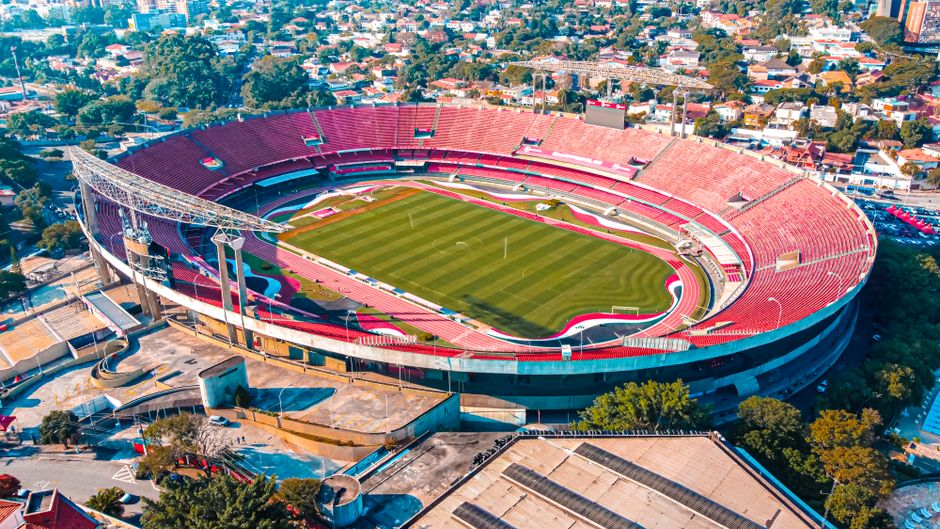
Ticket sales for the club's first home match following the announcement at the Estádio do Morumbi sold out within hours, with secondary market prices climbing to 800 reais for general admission seats. The Zona Leste neighbourhood, where many working-class Corinthians supporters reside, has been particularly energised, with local bars along Avenida Radial Leste and throughout neighbourhoods like Itaquera reporting standing-room-only crowds during the announcement broadcast.
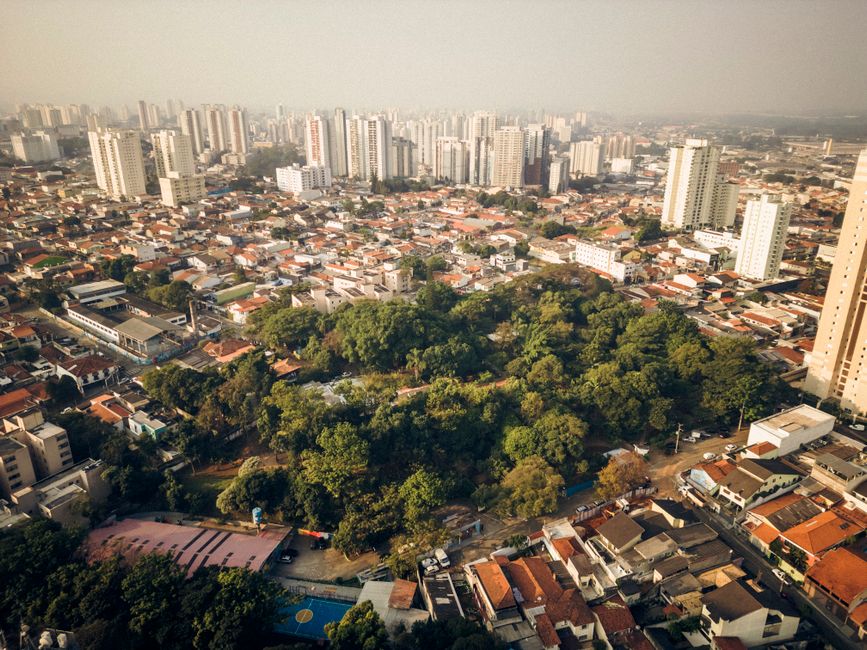
The decision carries profound symbolic weight in a city where football transcends sport. São Paulo's identity is fundamentally intertwined with its clubs—a reality reflected in the passionate, often fractious rivalries that define life in neighbourhoods from Pinheiros to Brás. For Corinthians specifically, the club represents working-class pride and grassroots connection that resonates deeply across the metropolitan area's poorer districts.
Financially, the signing addresses a critical vulnerability. Corinthians' recent revenue struggles have forced difficult decisions about squad construction and player retention. This transfer, regardless of the specific commercial terms, signals investor confidence and represents a calculated gamble that star power can drive both sporting success and commercial returns.
Club officials have emphasised the psychological impact of the return, framing it as validation of Corinthians' institutional strength despite recent turbulence. The impact extends beyond the pitch—merchandise sales surged 340 percent in the 24 hours following the announcement, according to preliminary retail data.
As preparations intensify for the upcoming season, São Paulo watches with anticipation. Whether this homecoming proves transformative or merely a nostalgic interlude remains uncertain. What is undeniable is that Corinthians has captured the city's imagination precisely when it needed to most.
This article was compiled by AI from the sources linked above and screened before publishing. See our editorial standards.