Your Guide to Watching Live Sport in São Paulo: How to Get Involved and What You Need to Know to Start
From football packed stadiums to emerging grassroots venues, here's how to navigate São Paulo's thriving live sports scene.
From football packed stadiums to emerging grassroots venues, here's how to navigate São Paulo's thriving live sports scene.
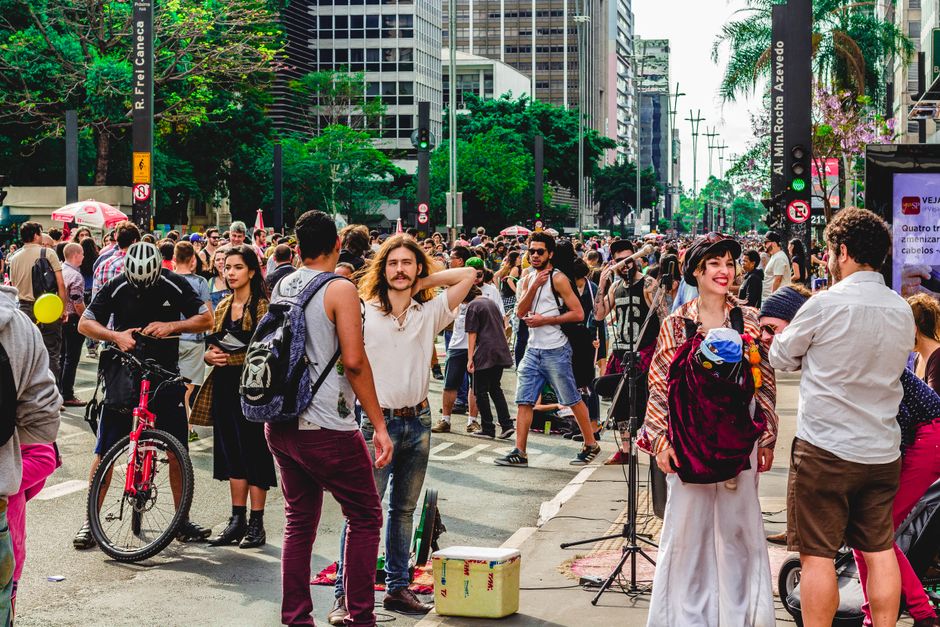
São Paulo's sporting culture pulses through the city's veins. Whether you're a longtime resident or newcomer seeking connection, live sport offers an unmatched window into local passion. But knowing where to go—and how—requires insider knowledge.
The Heavyweight Venues
The Estádio do Morumbi in the Morumbi neighbourhood remains São Paulo FC's spiritual home, while the Estádio Cícero Pompeu de Toledo in Paraíso hosts Corinthians. Both stadiums regularly attract crowds exceeding 40,000 spectators, particularly during the Campeonato Paulista and Copa do Brasil fixtures. Tickets typically range from R$50 to R$400 depending on match significance and seating proximity. Purchase through the clubs' official websites or authorized vendors like Ticketmaster Brasil to avoid inflated secondary market prices.
For those intimidated by 80,000-capacity atmospheres, the Estádio Paulo Machado de Carvalho in Água Branca offers a more intimate alternative, hosting smaller São Paulo football clubs and occasional rugby fixtures. Entry costs considerably less—often R$30–R$80—making it ideal for first-timers.
Beyond Football
Basketball thrives at the Ginásio do Ibirapuera, where the São Paulo Basquete competes in the NBB (Novo Basquete Brasil) league. Games run October through May, with tickets starting at R$40. The arena, nestled within the beloved Parque do Ibirapuera in Vila Mariana, offers post-match exploration of São Paulo's cultural landscape.
Volleyball enthusiasts should check the Centro de Treinamento Paralímpico along Avenida Pedro Álvares Cabral, where domestic league matches and international tournaments occasionally occur.
Getting There Matters
Invest in a VEM Card (Vale Eletrônico de Mobilidade), available at metro stations across the city. A single journey costs R$4.40; day passes run approximately R$13. Most stadiums lie on or near metro lines, making navigation straightforward. Arrive 60–90 minutes early for major matches to avoid congestion and soak in the pre-game atmosphere.
Practical Essentials
Bring identification—security staff check IDs at larger venues. Avoid wearing opposition colours in rivalrous matchups; São Paulo derbies between Corinthians and São Paulo FC intensify emotions considerably. Weather matters: June through August brings cooler temperatures; November through March demands sun protection.
Most stadiums prohibit external food and beverages, though reasonably priced snacks sell inside. Plan your transport home beforehand—post-match metro crowds swell significantly.
Start with a lower-stakes fixture at smaller venues. Build familiarity with local customs, chanting patterns, and supporter culture. São Paulo's sporting landscape rewards curiosity with genuine community belonging.
This article was compiled by AI from the sources linked above and screened before publishing. See our editorial standards.
How does this story make you feel?
Spread the word
About this article
Published by The Daily São Paulo
Daily brief
Free, in your inbox before 7am. Weekdays.
More in Sport