São Paulo's sporting infrastructure faces investment squeeze as aging venues struggle to meet global standards
From Morumbi to the Ibirapuera complex, the city's premier facilities require urgent modernization to compete internationally.
From Morumbi to the Ibirapuera complex, the city's premier facilities require urgent modernization to compete internationally.

São Paulo's reputation as South America's sporting capital rests on infrastructure that is increasingly showing its age. While the city hosts world-class events annually—from Formula E racing on the Pinheiros riverfront to volleyball tournaments at the Ginásio do Ibirapuera—facility managers are grappling with maintenance backlogs and the expensive business of keeping venues competitive.
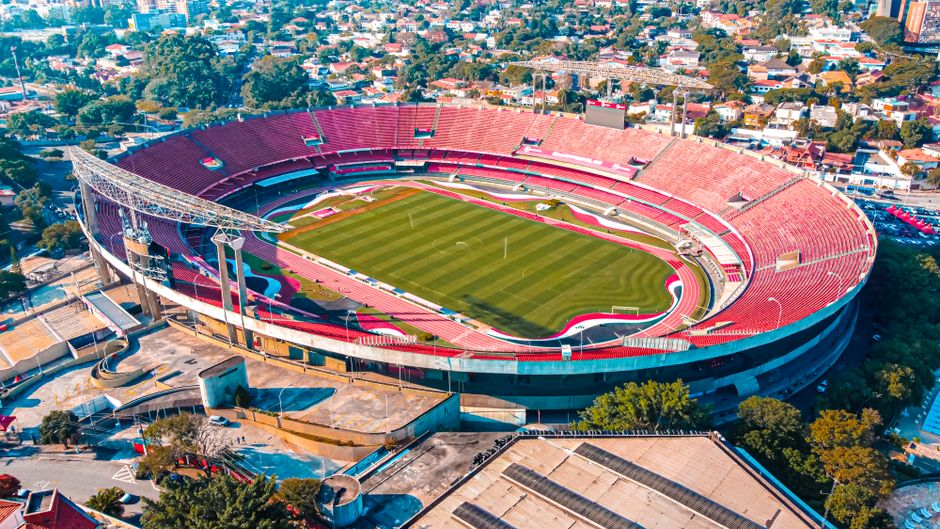
The Estádio do Morumbi in the Zone South remains iconic, with its 72,000-seat capacity making it one of Brazil's largest stadiums. Yet recent renovations have revealed deeper structural challenges. Accessibility improvements required under current regulations demand investment that extends far beyond cosmetic upgrades. The stadium's location in an increasingly congested neighbourhood has created parking and traffic management headaches during major fixtures.
Similarly, the Estádio do Pacaembu in the Centro district, once São Paulo's premier venue, sits largely dormant for football matches. Its 40,000 capacity and historic significance cannot offset the reality that modern sporting franchises and international federations demand climate-controlled facilities with expanded corporate hospitality zones—luxuries the Pacaembu's 1940s architecture struggles to provide economically.
The city's newer complexes tell a different story. The Ibirapuera Park facilities, including the Ginásio and volleyball courts, benefit from ongoing municipal investment and São Paulo's broader commitment to sports tourism. The complex hosted significant events during recent Pan American Games preparations, with R$15 million invested in upgrades to seating, drainage systems, and spectator amenities.
But infrastructure gaps remain critical. Training facilities for developing athletes across neighbourhoods like Tatuapé and Vila Mariana operate with limited budgets. Municipal sports centres struggle to maintain outdoor courts and running tracks as maintenance costs climb and municipal funding stagnates.
The challenge extends to transportation. While the Metrô Line 1 connects key venues, match-day congestion around Morumbi and Pacaembu during evening fixtures creates bottlenecks that deter casual attendees. Investment in dedicated event transport corridors remains on planning boards rather than construction sites.
Private investment has filled some gaps. Corporate-backed academies and private training centres in Zona Sul offer premium facilities, but these remain inaccessible to most young athletes. The divide between world-class venues hosting elite international events and neighborhood facilities serving community sport only widens.
As São Paulo competes with Rio de Janeiro and emerging Latin American cities for major sporting events, facility modernization is no longer aspirational—it's essential. Without sustained investment in both flagship stadiums and grassroots infrastructure, the city risks losing events and, more importantly, its pipeline of talent.
This article was compiled by AI from the sources linked above and screened before publishing. See our editorial standards.
How does this story make you feel?
Spread the word
About this article
Published by The Daily São Paulo
Daily brief
Free, in your inbox before 7am. Weekdays.
More in Sport