São Paulo's Youth Sport Participation Tells a Story of Inequality and Rising Ambition
New data on grassroots club membership reveals where young athletes train—and exposes the stark divides in access across the city's neighbourhoods.
New data on grassroots club membership reveals where young athletes train—and exposes the stark divides in access across the city's neighbourhoods.
A comprehensive audit of youth participation across São Paulo's grassroots sports clubs paints a picture far more complex than headline-grabbing World Cup dreams. The numbers, compiled from municipal sports secretariats and major club networks over the past three years, show both encouraging momentum in certain quarters and persistent gaps that define fitness culture in the sprawling metropolis.
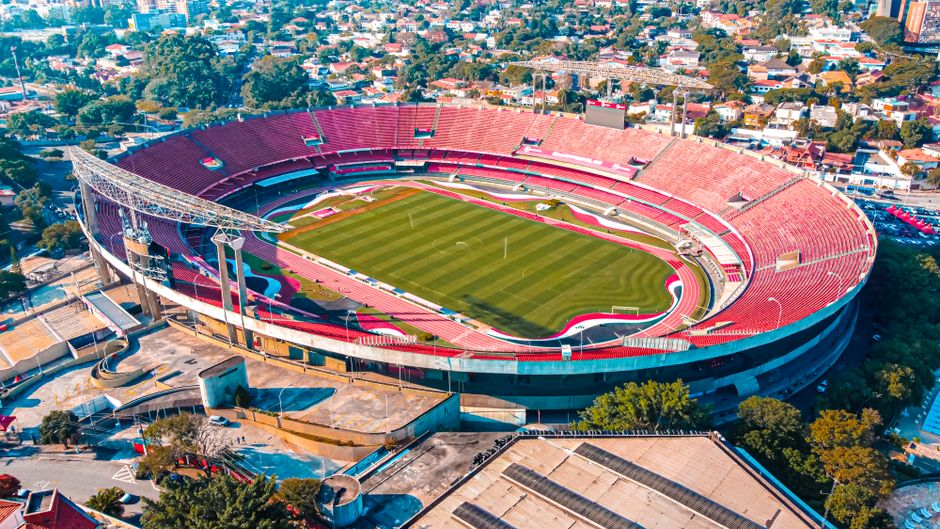
Across the city's formal club structure—encompassing everything from Corinthians and São Paulo's youth academies to neighbourhood-based futsal courts and athletic clubs—participation among under-18s has grown by roughly 12 per cent since 2023. Yet the distribution is starkly uneven. In the Zona Sul's wealthier enclaves like Morumbi and Vila Mariana, tennis and swimming clubs report waiting lists; membership at traditional institutions can exceed R$800 monthly, with initiation fees topping R$5,000. Youth football academies in these neighbourhoods now field U-15 squads with professional coaching structures.
The picture inverts dramatically in peripheral zones. In Cidade Tiradentes and Capão Redondo, where families earn significantly less, youth sport participation relies overwhelmingly on municipal courts and community centres. A council-run futsal facility on Avenida Senador Teotônio Vilela reports serving 240 young players weekly—almost entirely through free or heavily subsidised programs. Equipment costs remain prohibitive; a decent football boot consumes 8-10 per cent of weekly family income for many households.
The data exposes what local coaches call the "academy gap." Formal clubs in central and south-central neighbourhoods—particularly around Imirim, Consolação, and neighbourhoods neighbouring the Pinheiros river—maintain structured pathways to competitive sport. In contrast, young athletes in the north and east zones rely on informal networks, often brilliant but unsupervised. A 2025 municipal study found that 67 per cent of youth sport participation in peripheral areas occurs outside registered clubs.
What's emerging, however, is a counternarrative. Community-driven initiatives—particularly in futsal, street basketball, and capoeira—show explosive growth. Instagram-documented youth tournaments in Favela do Moinho and Grajaú attract hundreds of competitors. These athletes compete with fierce intensity despite absent corporate sponsorship and minimal infrastructure.
The participation data ultimately tells us that São Paulo's fitness culture remains bifurcated: professional, well-resourced academies serving those who can afford them, and scrappy, resilient grassroots movements serving everyone else. Real equity in youth sport development will require bridging this divide—not with sentimentality, but with investment in peripheral zones where ambition vastly outpaces opportunity.
This article was compiled by AI from the sources linked above and screened before publishing. See our editorial standards.
How does this story make you feel?
Spread the word
About this article
Published by The Daily São Paulo
Daily brief
Free, in your inbox before 7am. Weekdays.
More in Sport