São Paulo's Amateur Sport Network Thrives on Aging but Resilient Facilities
From neighbourhood courts to community centres across the metropolis, local infrastructure sustains thousands of recreational athletes—though maintenance challenges persist.
From neighbourhood courts to community centres across the metropolis, local infrastructure sustains thousands of recreational athletes—though maintenance challenges persist.
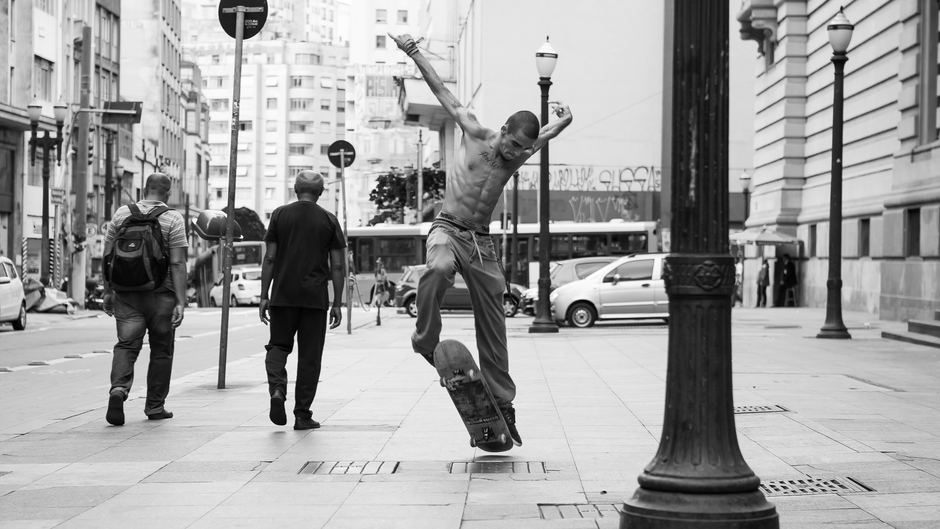
São Paulo's recreational sports ecosystem depends less on gleaming stadiums than on the modest but vital facilities dotting neighbourhoods from Pinheiros to São Miguel Paulista. These venues—public courts, community centres, and club grounds—form the backbone supporting an estimated 180,000 amateur athletes across dozens of organised leagues.
The infrastructure landscape is diverse. In Vila Mariana, the Centro de Treinamento de Atletismo hosts weekend running groups, while the Complexo Esportivo do Imigrantes in the south zone provides basketball and futsal courts serving lower-income communities. Neighbourhood associations in Itaquera and Tatuapé operate informal five-a-side football pitches generating modest revenue that sustains maintenance and staffing.
Federal investment remains inconsistent. The Secretaria Municipal de Esportes reports that approximately 40 per cent of public sports facilities require significant structural repairs, yet municipal budgets have plateaued. Facilities in Perus and Brasilândia operate with volunteer management, reflecting broader disparities in infrastructure distribution across the city's sprawling 1,500 square kilometres.
Private clubs fill some gaps. Organisations like the Centro de Educação Física do Exército maintain facilities in Carandiru offering swimming, volleyball and gymnastics; membership costs range from R$150–400 monthly. Smaller clubs affiliated with churches or trade unions operate handball and basketball courts in neighbourhoods including Itaim Bibi and the Zona Leste, collectively serving approximately 25,000 affiliated members.
Futsal remains the dominant recreational sport, with an estimated 300 indoor courts operating across São Paulo. Many operate in converted warehouses and informal spaces, particularly near Rua 25 de Março and in industrial zones. Quality varies dramatically—courts in wealthy areas like Jardins feature professional surfaces, while those in peripheral regions often use basic cement floors.
Investment in infrastructure has sparked some recent initiatives. The Programa de Modernização de Equipamentos Esportivos allocated R$8.3 million for facility upgrades in 2024, targeting courts in Vila Prudente and Sapopemba. Several neighbourhood associations have partnered with corporate sponsors to renovate aging tennis courts and athletics tracks.
Despite constraints, São Paulo's amateur sports infrastructure demonstrates resilience. Thousands of athletes train weekly using facilities that require persistent advocacy and creative management. For many residents, these neighbourhood courts and community centres represent accessible pathways to competitive sport—infrastructure that remains essential to the city's sporting culture, even as maintenance and investment gaps widen.
This article was compiled by AI from the sources linked above and screened before publishing. See our editorial standards.
How does this story make you feel?
Spread the word
About this article
Published by The Daily São Paulo
Daily brief
Free, in your inbox before 7am. Weekdays.
More in Sport