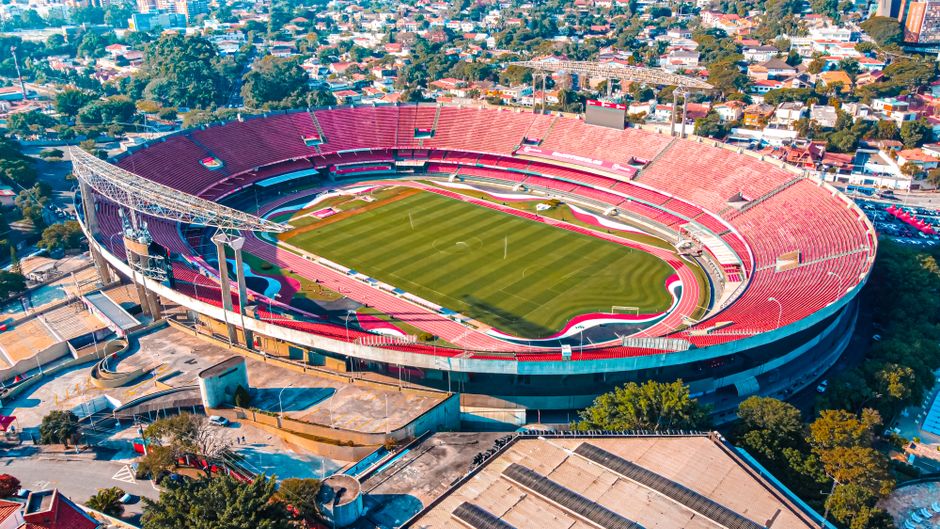
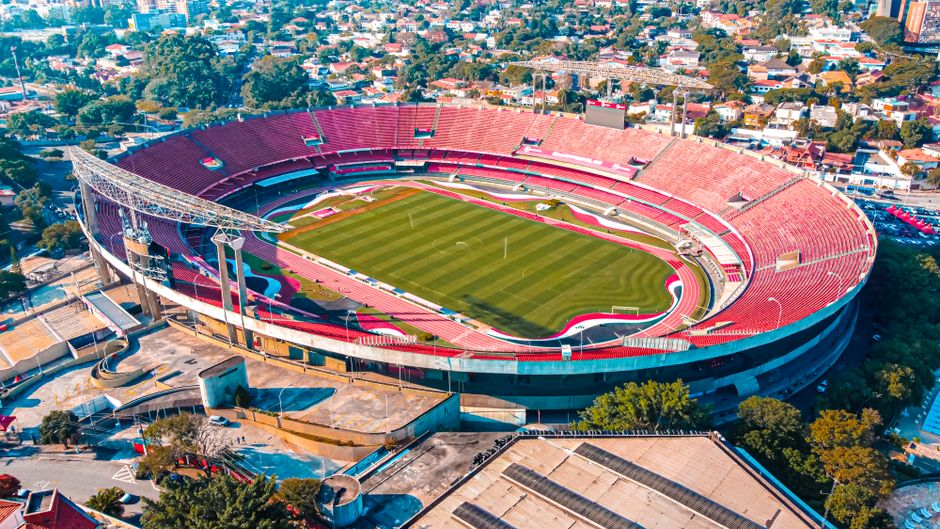
As summer fades and the Campeonato Brasileiro enters its decisive phase, São Paulo's football infrastructure faces its most demanding test of the season. The Estádio do Morumbi in the Zona Sul, Estádio do Pacaembu in the Centro, and the newly upgraded São Januário facilities across the border in the Rio metropolitan region will host consecutive weekend matches that could determine whether São Paulo FC or rival institutions clinch the title.
The Morumbi, nestled in the affluent Vila Mariana neighbourhood, remains the commercial and emotional heart of São Paulo football, with a capacity of 72,000 and average ticket prices ranging from R$120 for upper-tier seating to R$450 for premium sections. Club administrators have confirmed enhanced security protocols and expanded food service operations to manage the anticipated surge during final-round fixtures scheduled for early July. The venue's proximity to metro stations along the Linha Verde has proven crucial during peak attendance periods, though traffic congestion along Rua Jornalista Roberto Marinho frequently extends waits by 45 minutes during evening kickoffs.
The Pacaembu, recently renovated and re-inaugurated after years of structural work, offers a more intimate 40,000-seat environment for matches involving clubs with smaller but passionate followings. Its central location near Largo do Arouche provides alternative transit routes via the Linha Vermelha, though street vendors and informal parking arrangements in the surrounding República neighbourhood require constant coordination with municipal authorities.
Beyond these traditional bastions, the Estádio Cícero Pompeu de Toledo—better known as o Morumbi's secondary venue—and emerging facilities in the interior of São Paulo state have absorbed midweek fixture demands, distributing fan traffic and reducing bottlenecks that characterised previous seasons. The São Paulo State Football Federation estimates that cumulative attendance across all venues during the final month could exceed 800,000 spectators, surpassing 2025's figures by approximately 12 percent.
Logistical concerns extend beyond seating. Concession operators report supply chain challenges in sourcing traditional match-day items—água de coco, caldo de carne, and refrigerated beverages—as multiple simultaneous events draw vendors and suppliers thin. The Morumbi's management has partnered with regional distributors to ensure adequate inventory, though premium pricing remains inevitable during high-demand weekends.
For São Paulo's passionate fan base, these final weeks represent more than statistical significance. The convergence of championship contention and architectural readiness transforms stadiums into cultural battlegrounds where civic pride, sporting ambition, and metropolitan identity converge under floodlights.
This article was compiled by AI from the sources linked above and screened before publishing. See our editorial standards.