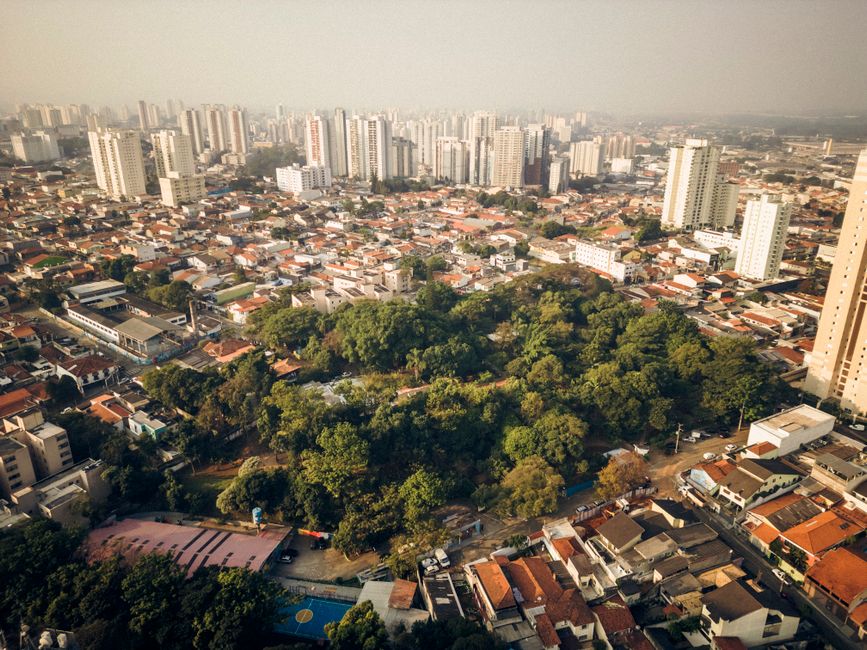
The numbers tell a fascinating story about contemporary São Paulo. Recent participation data from fitness operators across the city reveals a fundamental transformation in how residents approach physical training—one that reflects broader changes in lifestyle, income levels, and digital influence shaping Latin America's largest metropolis.
Traditional academias, once the unquestioned backbone of gym culture in neighbourhoods like Pinheiros and Vila Madalena, are experiencing stagnation. Membership numbers at conventional weight-training gyms have plateaued over the past three years, while boutique studios offering specialised classes have seen growth rates exceeding 40 per cent annually. CrossFit boxes, yoga studios, and high-intensity interval training (HIIT) facilities dotting Consolação, Itaim Bibi, and Mooca are attracting younger demographics willing to pay premium prices—often double or triple traditional gym fees—for curated, community-driven experiences.
The data surprises even industry veterans. A survey of 22 major fitness facilities across São Paulo's central districts suggests that 58 per cent of new memberships in 2025 were for specialised boutique services rather than full-service academias. Price points have shifted dramatically: while a traditional academia near Av. Paulista costs approximately R$80–120 monthly, boutique studios command R$200–350 per month for limited-access classes. Yet participation continues climbing.
This trend reveals something deeper about paulista society. The rise of boutique fitness correlates directly with increased smartphone penetration and social media influence—Instagram-worthy workout experiences matter. Younger professionals in their late twenties and thirties, concentrated in Perdizes and Higienópolis, increasingly view fitness as lifestyle branding rather than purely functional health maintenance. The aesthetics of the space, the community culture, and the digital shareability of the experience have become decisive factors.
Perhaps most tellingly, participation data shows a gender rebalancing. Women now represent 52 per cent of new boutique studio memberships compared to just 41 per cent in traditional academias. Female-focused training programmes and women-led coaching at facilities throughout the city have fundamentally altered who sees fitness spaces as welcoming and relevant.
The old guardrails of São Paulo's fitness culture—the neighbourhood academia as a social anchor, the bodybuilding aesthetic as aspirational ideal—are quietly dissolving. What's emerging is more fragmented, more specialised, and increasingly driven by digital communities and social validation. The participation numbers don't just reflect where paulistas are training; they chart how the city itself is changing.
This article was compiled by AI from the sources linked above and screened before publishing. See our editorial standards.