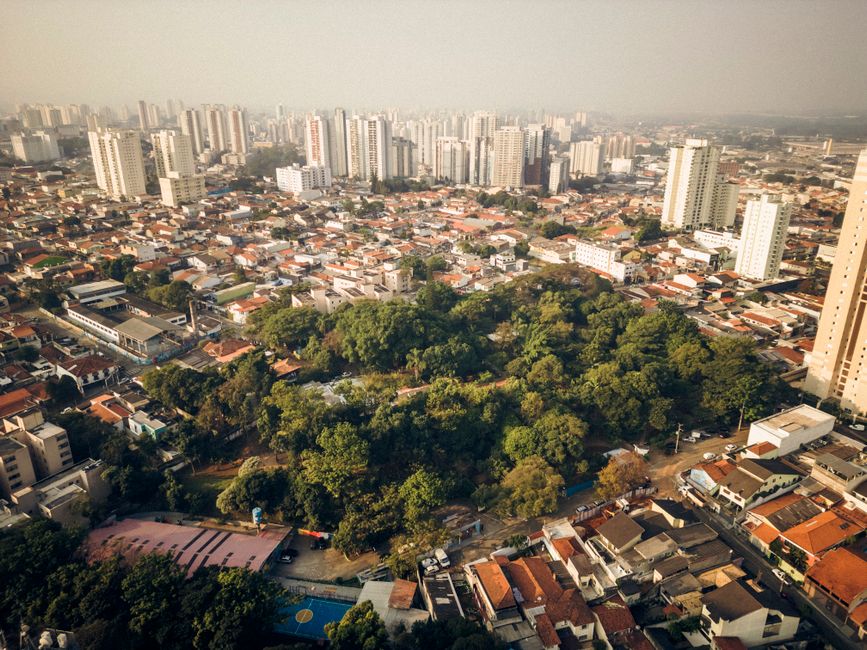
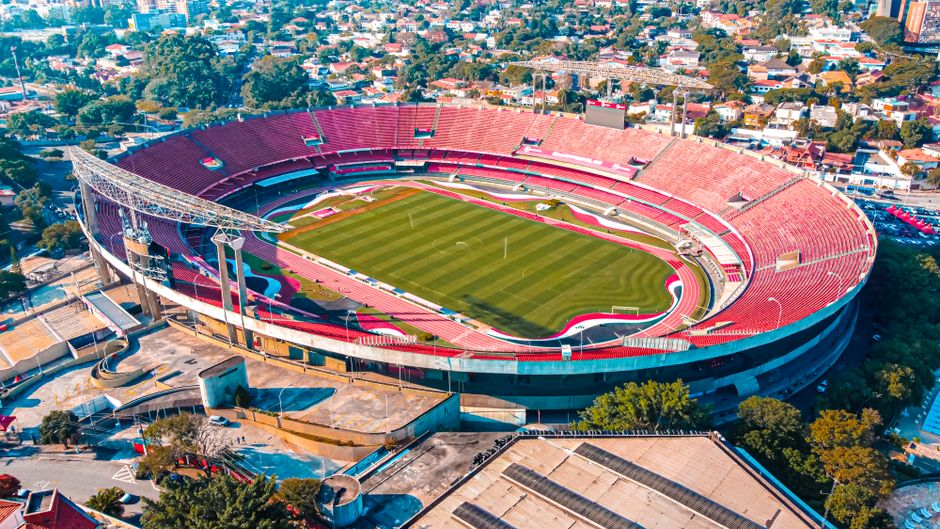
On any Tuesday evening in the Zona Leste, the courts of Parque da Juventude in Tatuapé buzz with activity that rarely makes the sports pages. Here, amid the hum of São Paulo's sprawling urban landscape, recreational volleyball leagues attract players aged 16 to 65, their matches funded by modest membership fees of R$25 monthly rather than corporate sponsorships. This is where the real heartbeat of the city's sporting culture pulses—far removed from the Morumbi and Allianz Parque stadiums that dominate the media landscape.
The grassroots movement across São Paulo has exploded over the past half-decade, driven not by professional ambitions but by the simple human need for community and physical connection. In neighbourhoods like Capão Redondo, Itaquera, and Sapopemba, amateur football, futsal, and basketball leagues operate with remarkable independence, organised by local residents who invested their own savings and sweat equity into maintaining courts and recruiting players. The Associação de Futsal Comunitário da Zona Sul, for instance, manages six simultaneous leagues across the southern periphery with no municipal funding, relying entirely on participant contributions and local business partnerships.
Data from the Instituto Brasileira de Pesquisas Desportivas suggests that amateur recreational leagues in São Paulo engage approximately 180,000 participants annually—a figure that dwarfs professional club membership. Many of these athletes are domestic workers, delivery drivers, and construction labourers who view their league nights as essential respite from economic precarity. Weekly tournaments in Pirituba and Vila Mariana have become so culturally embedded that entire families now attend matches as social events, transforming sports participation into neighbourhood identity.
The infrastructure remains deliberately modest. Courts are often improvised—painted concrete surfaces in public spaces, makeshift goals fashioned from PVC pipe. Yet this constraint has bred innovation. Leagues in Vila Sônia have pioneered mixed-gender competition formats specifically to encourage female participation, while veterans' tournaments in Itaim Paulista have created structured pathways for athletes over 40 to remain competitive without the pressure of elite-level play.
What distinguishes São Paulo's grassroots movement from organised sport is autonomy. These leagues operate outside the traditional federation hierarchy, answering to their own communities rather than centralised sporting bodies. They've become informal social safety nets—spaces where neighbourhoods invest in their own wellbeing, where belonging transcends scorelines, and where thousands of ordinary Paulistas have discovered that championship football isn't won in Morumbi; it's lived every week on the streets that built this city.
This article was compiled by AI from the sources linked above and screened before publishing. See our editorial standards.