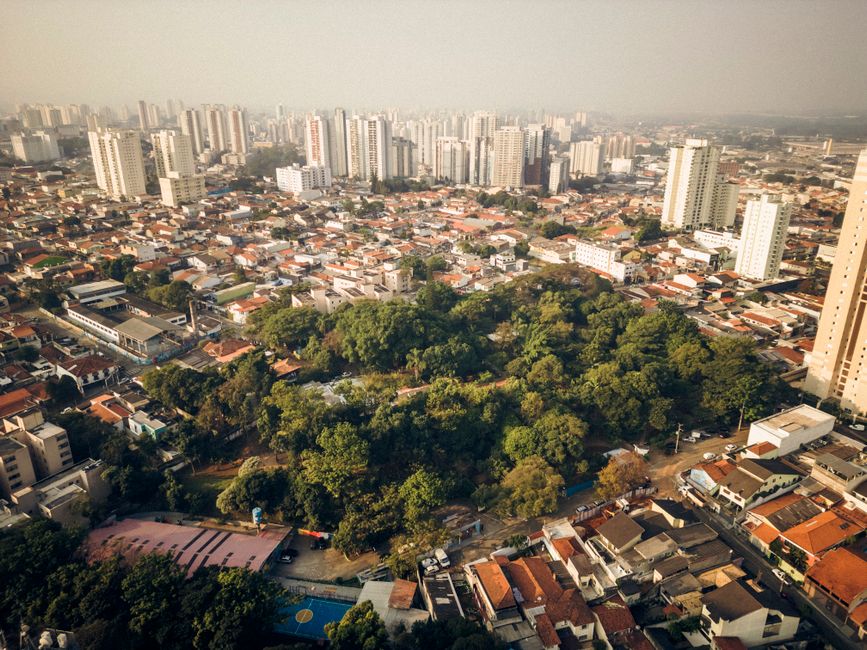
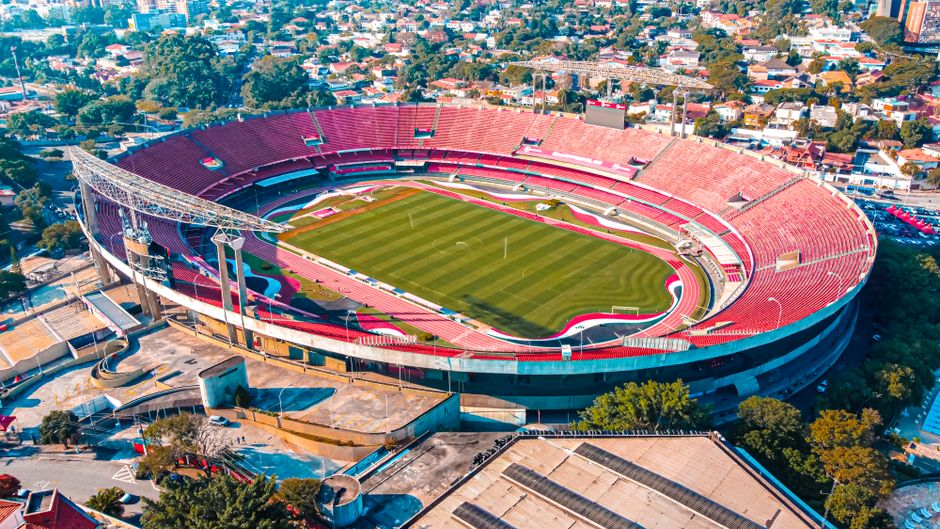
In a season that has defied expectations, Sobradinho FC—a humble amateur outfit operating from a converted warehouse near Avenida Radial Leste—has become the surprise story of São Paulo's recreational football circuit. The club, which competes in the Liga Amadora Paulista's Serie B division, has captured headlines with an unprecedented run that has seen participation surge and brought unprecedented investment to the grassroots game.
Founded just eight years ago by neighbourhood residents in the Itaim Paulista district, Sobradinho operates with a budget of roughly 120,000 reais annually—modest by any standard. Yet this season, the team has won 19 of its 24 matches, drawing fans from across the metropolitan region to their modest Estádio da Vila grounds, where admission costs just 25 reais.
"What we're witnessing is the democratization of competitive sport," says Marcelo Ferreira, coordinator of amateur leagues for the São Paulo Sports Federation. "Sobradinho has no wealthy investors, no corporate backing. Their success belongs entirely to the community."
The club's achievement has sparked a measurable ripple effect throughout São Paulo's recreational leagues. Membership inquiries at neighbourhood clubs across the Zona Leste have increased by 34 percent since February, according to data from the Liga Amadora Paulista. Several amateur clubs have invested in improved facilities and coaching staff, with the average annual budget for Serie B teams rising from 85,000 to 103,000 reais.
Sobradinho's model emphasizes accessibility over exclusivity. Training sessions occur five times weekly, with fees set at 80 reais monthly—roughly half the city average. The club prioritizes youth development, running free programs in nearby public schools throughout neighbourhoods like Guaianazes and São Miguel Paulista.
Beyond the pitch, Sobradinho has created 47 jobs, from groundskeeping to administrative roles, predominantly employing local residents. The club's social initiatives have distributed over 3,500 meals monthly to vulnerable families, transforming what might be merely a football club into a community anchor.
As the Liga Amadora Paulista's season enters its critical phase, Sobradinho remains in contention for promotion to Serie A—an achievement that would represent not just institutional success, but validation of a distinctly São Paulo model: sport built from the ground up, sustained by community commitment rather than capital investment. Whether they secure promotion or not, the club has already achieved something arguably more significant: proof that competitive excellence and social purpose need not be mutually exclusive.
This article was compiled by AI from the sources linked above and screened before publishing. See our editorial standards.