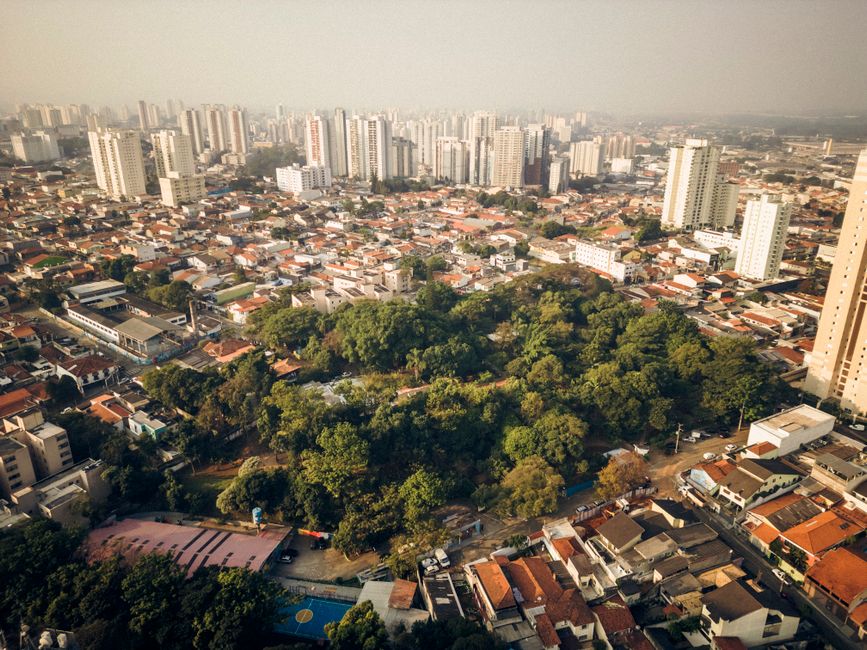
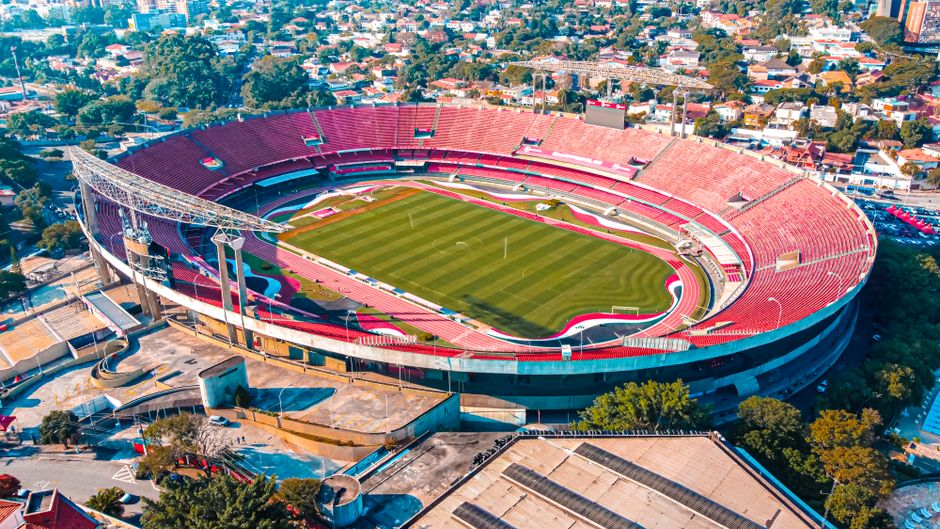
Walk along the Marginal Pinheiros on a Sunday morning and you'll spot hundreds of cyclists weaving through traffic, their reflective gear glinting in the early light. Head to Ibirapuera Park and the running trails are crowded before dawn. These aren't isolated incidents—they're symptoms of a profound shift in how São Paulo engages with endurance sports.
Recent participation data paints a striking picture. Registered runners in the metropolitan area have grown by approximately 35% over the past three years, with local running clubs reporting membership increases that outpace gym subscriptions. The Clube de Corrida Vila Madalena, one of the city's most active communities, now counts over 2,800 members, up from 1,200 in 2023. Similar patterns emerge across the zona sul and zona oeste.
Cycling tells a comparable story. The city's bike-sharing programs have logged more than 15 million rides annually, while dedicated cycling clubs in neighbourhoods like Pinheiros and Mooca report waiting lists for group events. The investment in ciclovias—particularly the extensions along Avenida Paulista and towards Santo Amaro—has coincided with measurable upticks in casual and competitive participation.
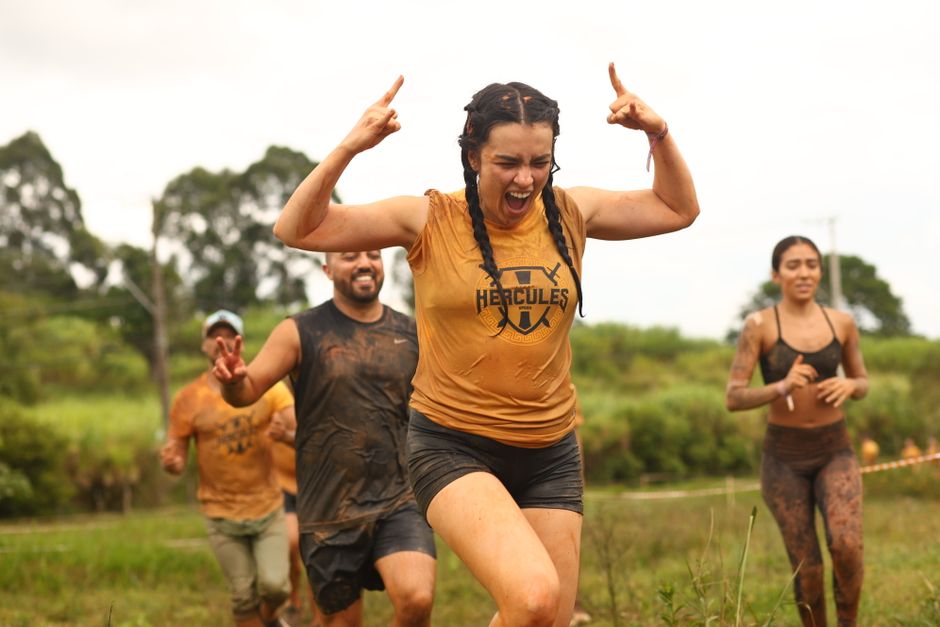
Triathlons have perhaps seen the most dramatic transformation. The number of sprint and Olympic-distance races held within São Paulo state has nearly tripled since 2023, with events at venues like the Clube de Regatas Tietê regularly attracting 800-plus competitors. Entry fees, ranging from R$250 to R$450, haven't deterred participation; many races now cap entries months in advance.
What does this data reveal about us? First, endurance sports have transcended their status as elite pursuits. They've become democratised—accessible to office workers saving for their first 10K, to entrepreneurs training for their third triathlon, to teenagers discovering community through cycling clubs. The proliferation of micro-gyms offering spin classes and running clubs operating on social media have lowered barriers to entry substantially.
Second, these activities reflect our city's hunger for tangible progress and measurable achievement. In a metropolis where professional demands are relentless, endurance sports offer clarity: kilometres covered, times recorded, personal records shattered. They're meditative yet competitive—solitary yet communal.
Third, participation suggests a generational shift toward preventative health consciousness. Rather than reacting to illness, Paulistas are proactively investing time and money into fitness infrastructure and community.
As we head into the latter half of 2026, one trend seems certain: endurance sports have become woven into the fabric of São Paulo's identity. The numbers prove it's not a fad—it's a movement.
This article was compiled by AI from the sources linked above and screened before publishing. See our editorial standards.