São Paulo's sporting landscape has transformed dramatically over the past decade, with renovated stadiums and world-class facilities now anchoring the city's identity as a global sports hub. But beyond buying a ticket to the Clássico, there's an entire ecosystem of opportunities for locals looking to get involved in how these venues operate—and it's far more accessible than most people realize.
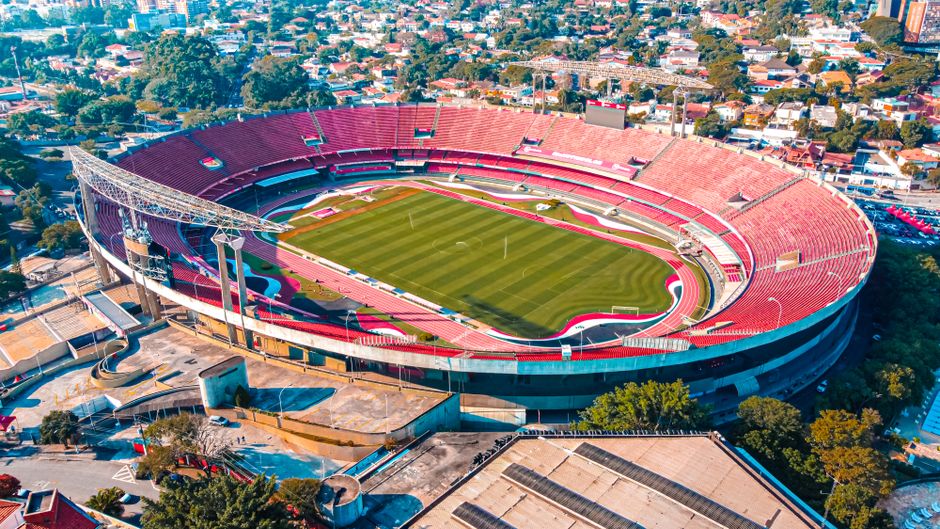
Start with the obvious: the major stadiums themselves. The Estádio do Morumbi, home to São Paulo FC in the Morumbi neighbourhood, and Estádio Cícero Pompeu de Toledo (the Estádio do Corinthians) in Itaquera both run regular volunteer programmes. These typically require a minimum commitment of four to eight hours per event, with roles ranging from crowd management to information assistance. Registration happens through each club's official website, and there's no formal experience needed—just reliability and enthusiasm.
Allianz Parque in Perdizes, opened in 2014, has become a model for modern stadium engagement. Beyond volunteering, the venue regularly hires seasonal stewards and event coordinators. Entry-level positions start around R$1,800–R$2,200 monthly for part-time work, with opportunities to progress into full-time roles managing everything from ticket operations to fan experience initiatives.
For those interested in the business side, the Arena da Juventude in the south zone and the various multipurpose facilities scattered across the Zona Leste offer internship opportunities through partnerships with universities like USP and PUC. These placements focus on event logistics, marketing, and facility management—skills that transfer across the entire sports industry.
The Real situation demands practical steps. First, assess your availability honestly. Weekend and evening commitments are non-negotiable during the football season (typically August through November and December through May). Second, identify which venue aligns with your interests and geography. Living in Vila Madalena? Allianz Parque is your natural entry point. In Itaquera? The Corinthians stadium offers regular opportunities.
Third, understand the physical demands. Stewarding means standing for hours, managing crowds, and handling occasional tension. It's not glamorous, but it's real work that keeps São Paulo's sporting culture functioning smoothly.
Start by visiting the stadium's official channels or contacting their administrative offices directly. Most larger venues maintain dedicated volunteer coordinators who can walk you through requirements, background checks, and training protocols. There's no single barrier preventing you from becoming part of São Paulo's sports infrastructure—just the willingness to show up and contribute.
This article was compiled by AI from the sources linked above and screened before publishing. See our editorial standards.