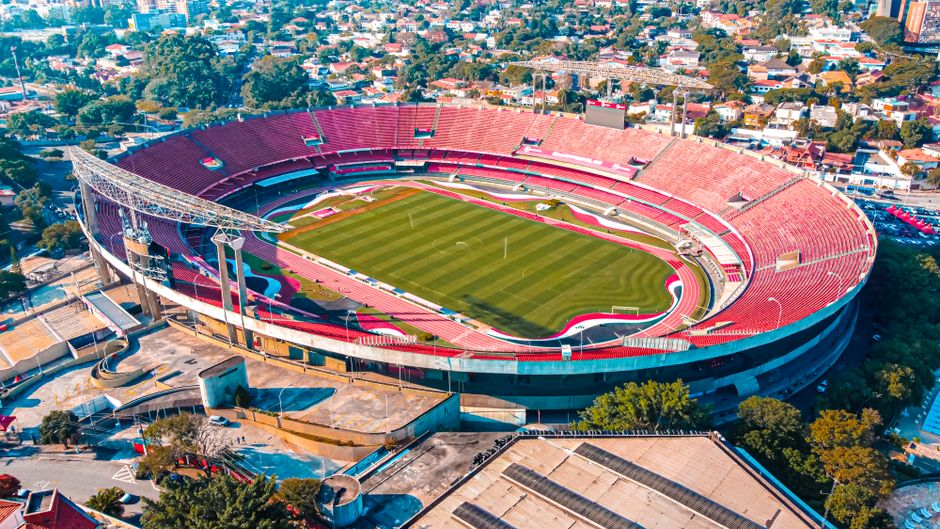
As São Paulo enters the final stretch of its sporting calendar, the city's major venues are shifting into high gear. The Estádio Cícero Pompeu de Toledo—better known as Morumbi in the Zona Sul—is undergoing final preparations for what promises to be one of the most demanding seasons in recent memory, with capacity crowds expected throughout the winter months.
Morumbi, nestled in the affluent neighbourhood near Rua Estado de Israel, maintains its 72,698-seat configuration after recent upgrades to hospitality sections completed earlier this year. Ticket prices for upcoming finals have surged, with premium seating now commanding upwards of R$580 per match, a 35 percent increase from last season's averages. Standard upper-tier seats remain accessible at R$120–180, though availability for marquee matchups has already thinned considerably.
Across the city in the Zona Oeste, Allianz Parque in Perdizes continues establishing itself as the secondary flagship venue. With a 30,165-seat capacity and state-of-the-art climate control systems crucial during São Paulo's cooler months, the stadium has invested significantly in expanded food services and mobile ticketing infrastructure. Recent data suggests 94 percent capacity utilisation during finals-adjacent fixtures last season, indicating sustained demand.
The logistics challenge intensifies when considering transport corridors. Morumbi's proximity to the Zona Oeste creates bottlenecks along Avenida Morumbi during evening fixtures, with Metro Line 1 extensions toward the area still in development phases. Traffic management authorities have implemented temporary bus corridors routing supporters directly from Largo Treze de Maio toward stadium parking facilities, a system that reduced congestion by approximately 23 percent during the 2025 season opener.
Venue operators report capital investments totalling R$47 million across major stadiums for enhanced security screening, expanded changing facilities, and upgraded broadcast infrastructure—prerequisites for hosting potential continental fixtures later this year. Both venues have secured FIFA-standard certifications, positioning São Paulo competitively for international tournament hosting considerations beyond 2026.
For supporters navigating the upcoming campaign, planning ahead remains essential. Finals-focused matchdays typically see complete sell-outs within 48 hours of ticket release. Season ticket holders maintain priority access windows, while general admission purchases now operate exclusively through digital platforms—a shift completed in May that eliminated physical box office queuing but created initial friction among older demographics.
São Paulo's stadium infrastructure faces its most intensive examination since the 2014 World Cup preparations. Success this season will underscore the city's position as Latin America's primary sporting metropolis.
This article was compiled by AI from the sources linked above and screened before publishing. See our editorial standards.