From Concrete Courts to Championship Dreams: How São Paulo's Grassroots Movement Built a Sporting Legacy
Behind the city's world-class stadiums lies a decades-long community effort that transformed neighbourhoods into athletic hubs.
Behind the city's world-class stadiums lies a decades-long community effort that transformed neighbourhoods into athletic hubs.
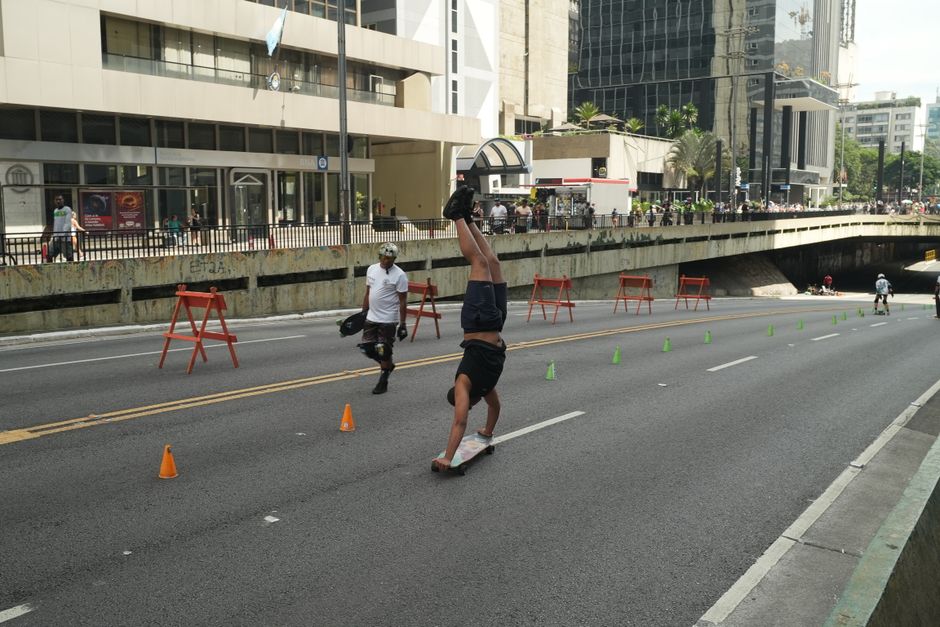
Walk through the Vila Madalena on a Saturday morning, and you'll find something that rarely makes the sports pages: a packed futsal court where teenagers from three different favelas compete in a league that costs nothing to join. This is the real story behind São Paulo's sporting infrastructure—not the gleaming Estádio do Morumbi or the newly renovated Allianz Parque, but the grassroots networks that feed talent into those temples of professional sport.
For nearly thirty years, community organisations across São Paulo have operated from humble facilities—converted garages in Brás, outdoor courts in Itaquera, makeshift gyms in Paraisópolis. The Associação Atlética da Juventude, based in the eastern suburbs near the Tamanduateí River, runs programmes for over 2,000 young athletes annually with a budget that wouldn't cover a single player's monthly salary at a top-flight club. Yet it's produced dozens who've gone professional.
The Núcleo de Treinamento in Pinheiros represents another model: a converted warehouse space where capoeira, boxing, and basketball coexist under one roof. Monthly fees hover around R$180—accessible to working families, sustainable for operators. Similar initiatives populate the periphery: Zona Leste, Zona Sul, even struggling neighbourhoods like Heliópolis, where a volleyball programme has achieved remarkable success despite chronic underfunding.
What's remarkable is how these movements have influenced municipal planning. São Paulo's recent investment in refurbishing neighbourhood sports centres—including facilities in Campo Limpo and Guaianases—came directly from pressure by grassroots organisations documenting participation rates and social impact data. The city now allocates roughly R$45 million annually to community sport programmes, up from R$12 million in 2015.
These aren't feel-good stories disconnected from the professional game. Scouts regularly visit neighbourhood courts. Young athletes develop discipline, teamwork, and technical skills before they ever step into an academy system. More importantly, they develop belonging—a counterweight to the violence and inequality that surrounds them.
As São Paulo prepares for continued investment in major venues, the challenge facing city officials and sport leaders is clear: the stadiums only matter if the pathways leading into them remain open. The grassroots movement isn't separate from São Paulo's sporting identity—it's foundational to it. Without the hundred small courts and determined volunteer coordinators across the metropolitan area, the bright lights of Morumbi would illuminate empty seats.
This article was compiled by AI from the sources linked above and screened before publishing. See our editorial standards.
How does this story make you feel?
Spread the word
About this article
Published by The Daily São Paulo
Daily brief
Free, in your inbox before 7am. Weekdays.
More in Sport