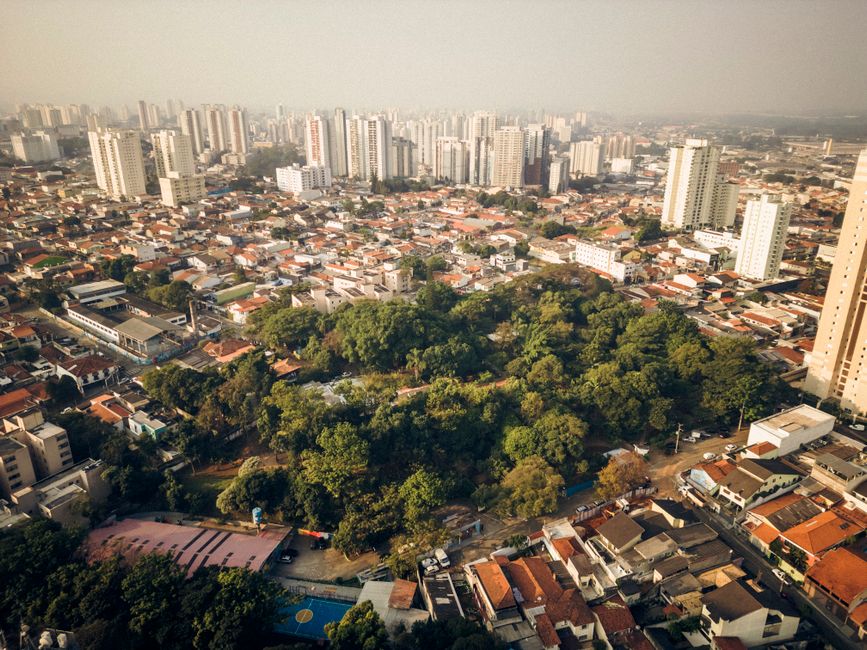
São Paulo's football ecosystem has long relied on iconic venues that shaped Brazilian football history, yet the city's ageing infrastructure now threatens its competitive edge as other metropolitan centres across South America invest heavily in state-of-the-art facilities. The challenge is particularly acute for Corinthians, Palmeiras, and São Paulo FC, whose home grounds require substantial modernisation to meet contemporary standards for player welfare, fan experience, and broadcast capacity.
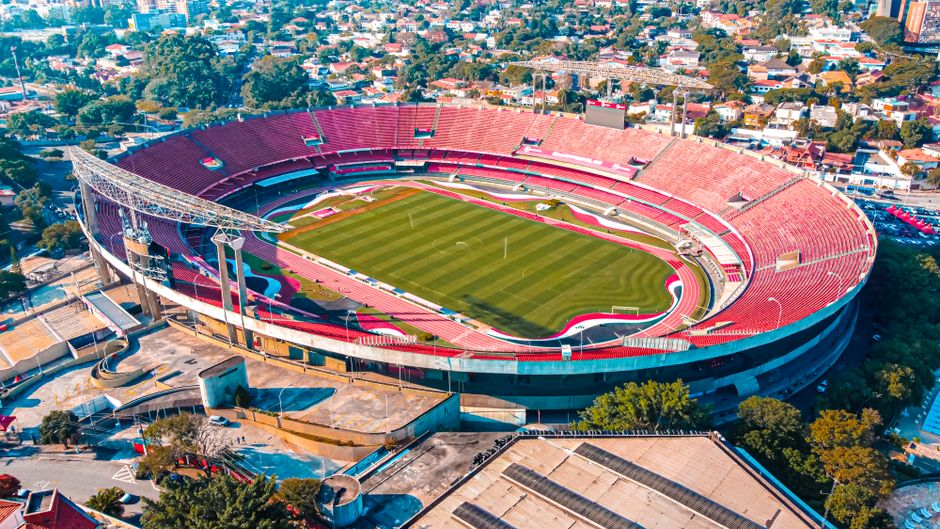
The Morumbi stadium in the Morumbi neighbourhood, home to São Paulo FC, has undergone piecemeal renovations over the past decade, yet structural limitations persist. Built in 1960, the 72,000-capacity venue struggles with outdated drainage systems and restricted medical facilities that fall below international benchmarks. Meanwhile, Palmeiras' Allianz Parque, completed in 2014 on Água Branca's industrial strip, stands as a relative success story—though it required R$600 million in investment that smaller clubs cannot replicate.
The real crisis emerges beyond elite football. Hundreds of neighbourhood clubs across districts like Vila Madalena, Pinheiros, and Tatuapé depend on municipal pitches and school facilities that receive minimal funding. A 2025 survey by the São Paulo Sports Federation documented that 67% of community football grounds lack proper irrigation systems, forcing many leagues to cancel matches during the dry season.
The Pacaembu stadium, once the jewel of Brazilian football in the Consolação neighbourhood, remains largely shuttered after hosting temporary events. Its redevelopment as a mixed-use cultural space has stalled, leaving a 40,000-seat void in the city's central infrastructure. This absence forces clubs to negotiate expensive rental agreements with Allianz Parque or travel to distant suburban grounds, straining both budgets and supporter accessibility.
Recent municipal initiatives show modest progress. The prefeitura allocated R$45 million in 2025 toward upgrading 15 community pitches, prioritising zones in Itaquera and Campo Limpo. However, sports economists estimate São Paulo requires R$2 billion in infrastructure investment across the next five years to match global city standards and support grassroots development adequately.
Club administrators acknowledge the disparity. While Corinthians, Palmeiras, and São Paulo FC maintain training centres with elite facilities in Paralela, Parque da Juventude, and Barra Funda respectively, these remain inaccessible to the broader sporting community. The fragmentation undermines talent pipeline development and leaves thousands of young players training on substandard grounds.
As São Paulo positions itself as a global sports destination, modernising its football infrastructure has become less about nostalgia and more about necessity—a recognition that sustainable competitive success requires investment from grassroots pitches to professional venues.
This article was compiled by AI from the sources linked above and screened before publishing. See our editorial standards.