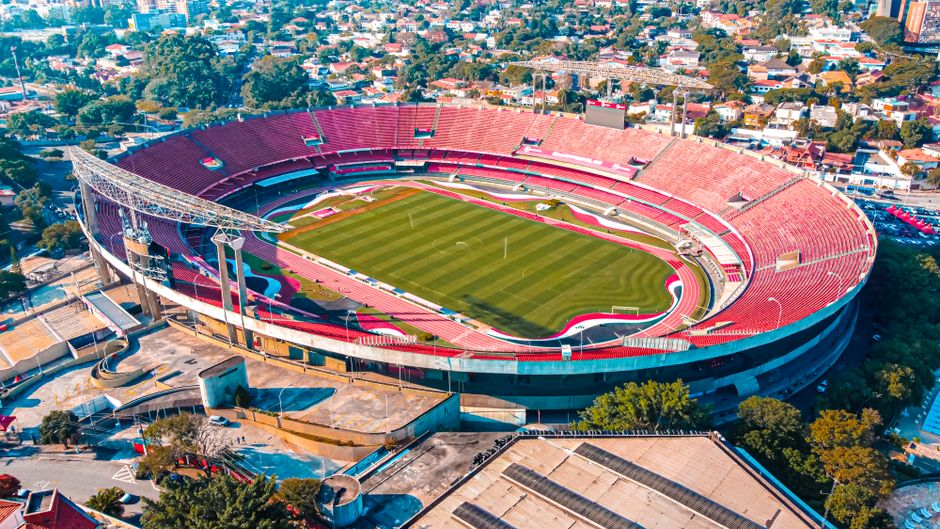
São Paulo's grassroots sports ecosystem depends on a network of facilities that stretches far beyond the gleaming complexes of the wealthy south zone. While Morumbi and Pinheiros dominate headlines, the real transformation is happening in unexpected corners—where community clubs, municipal centres, and NGO-backed programmes are providing essential infrastructure for young athletes across the city's 32 districts.
The Centro de Treinamento Paralímpico, located near the Imigrantes highway corridor, has become a blueprint for what accessible sports infrastructure can achieve. Since its modernisation in 2019, the facility has served over 3,000 youth annually, many from low-income families in the surrounding neighbourhoods. Similarly, the revitalised sports complexes in Itaquera and São Miguel Paulista have democratised access to quality courts and training grounds that were previously scarce.
Municipal investment remains inconsistent, however. São Paulo's Secretaria de Esportes allocates approximately R$45 million annually to grassroots programmes, but demand far exceeds supply. Public facilities in Diadema, Guarulhos, and the eastern districts often operate with ageing equipment and limited staff. A typical municipal court in Sapopemba or Parelheiros might serve 150–200 young players weekly, yet funding constraints mean maintenance backlogs stretch to months.
Private initiatives have partially filled the gap. Organisations like Instituto Maurício de Sousa and the São Paulo branch of Fundação Gol de Letra operate satellite programmes in underserved areas, converting abandoned warehouses and community spaces into usable training grounds. These ventures highlight both innovation and desperation—creative solutions born from infrastructure scarcity.
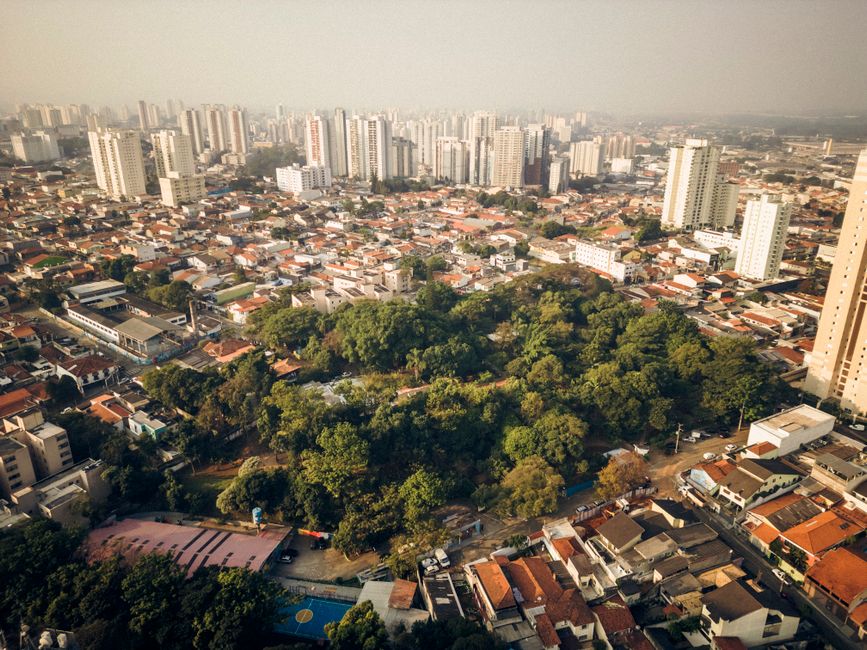
The contrast is stark. A youth footballer training at a facility in Pacaembu enjoys climate-controlled spaces and professional-grade equipment worth millions. Their counterpart in Capão Redondo might train on cracked asphalt with hand-painted lines. Yet talent distribution rarely follows infrastructure investment. Many of Brazil's international-calibre players emerged from humble beginnings, suggesting that hunger and determination occasionally trump facility quality.
As São Paulo eyes hosting international youth tournaments and seeks to strengthen its position as a continental sports capital, officials acknowledge the infrastructure gap cannot be ignored. Planned renovations to facilities in Zona Leste and investments in smaller municipalities suggest momentum. Yet without sustained funding and genuine commitment to equity, the city risks perpetuating a two-tier system where geography determines opportunity.
The question isn't whether São Paulo can produce champions—history proves it can. The question is whether every neighbourhood will have the chance to try.
This article was compiled by AI from the sources linked above and screened before publishing. See our editorial standards.