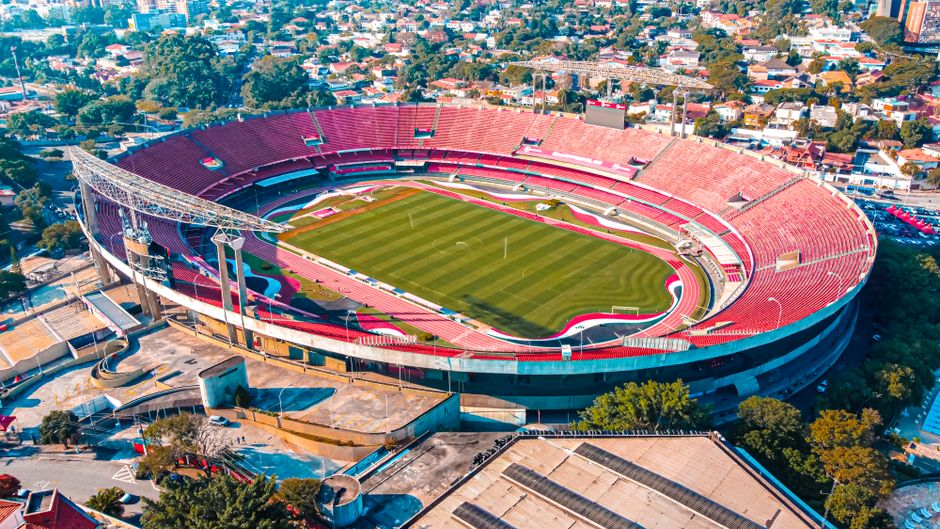
As June fades into the critical second semester of Brazil's football calendar, São Paulo's temple venues are shifting into overdrive. The Estádio Cícero Pompeu de Toledo—better known as Morumbi—sits perched on the Avenida Morumbi in the upscale neighbourhood of the same name, preparing to host an avalanche of fixtures that will determine whether São Paulo FC can mount a serious title challenge. With a capacity of 72,283 and typical match-day ticket prices ranging from R$60 to R$400, the stadium has already exceeded 60% occupancy rates for July's scheduled matches.
The rivalry intensity is unmistakable. Corinthians' Neo Química Arena in Tatuapé and Palmeiras' Allianz Parque in Perdizes will both push their operating schedules to the limit, with some weeks featuring back-to-back fixtures across the Brasileirão and Copa do Brasil. The logistics alone are staggering—groundskeeping crews, security personnel, and catering operations must maintain tournament-standard conditions under relentless pressure.
What makes this season particularly intriguing is the venue diversity now available to clubs. The Estádio do Pacaembu in Centro, recently renovated through a R$100 million partnership, has emerged as a secondary option for mid-table sides seeking larger attendances, while smaller facilities across the metropolitan area—including Estádio do Canindé on the Rua Turiassu—host crucial lower-bracket competitions.
The finals pathway is clear but treacherous. Any slip in the next eight weeks could prove fatal to title ambitions. Teams competing at Morumbi and the Arena da Juventude in Parque da Juventude, which opened in 2019 with a 9,400-seat capacity specifically designed for youth tournaments and smaller professional matches, face unforgiving fixture congestion. The Parque da Juventude venue has become essential infrastructure, offering clubs a space to rotate squads without abandoning ticket revenue entirely.
Weather patterns also complicate planning. June's mild temperatures will give way to July's more unpredictable conditions—São Paulo's altitude of 760 metres means afternoon thunderstorms can transform pitch conditions in minutes, forcing last-minute tactical adjustments.
For supporters planning their season, understanding these venue schedules is essential. The next 60 days will separate genuine contenders from pretenders, and every stadium in this city will bear witness to decisive moments that shape Brazilian football's immediate future.
This article was compiled by AI from the sources linked above and screened before publishing. See our editorial standards.