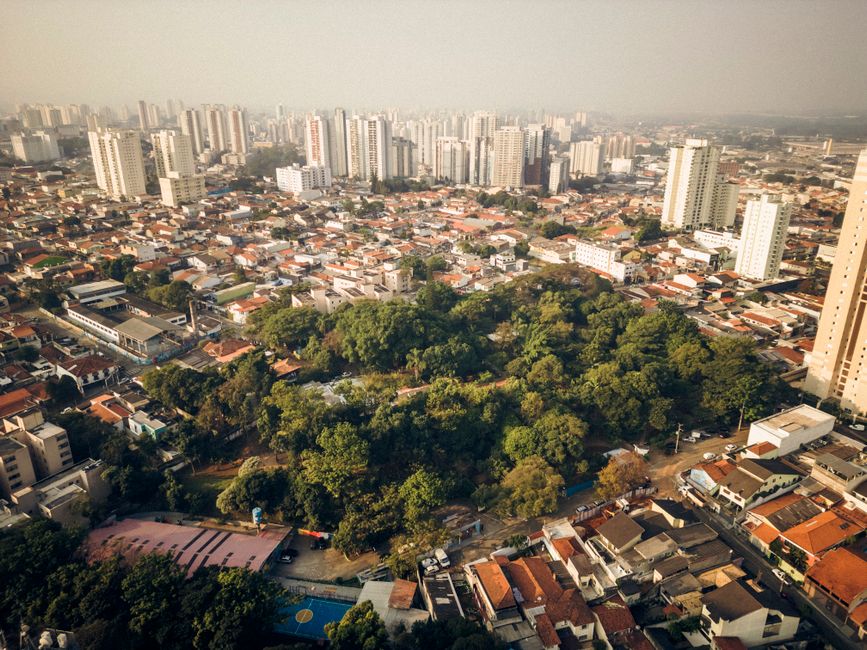
In the cramped spaces between residential towers along Avenida São João, something remarkable is unfolding. Youth from the Bom Retiro and República neighbourhoods gather three times weekly on improvised pitches—some no larger than a futsal court—where a new generation of grassroots football coordinators are quietly revolutionising how the sport reaches São Paulo's working-class communities.
The movement has gained unprecedented momentum since 2024, when municipal investment in neighbourhood football programmes tripled to approximately R$12 million annually. Today, more than 40 community-run football initiatives operate across the city's outer zones, engaging an estimated 8,500 young people aged 8 to 18.
"What we're seeing is not about producing the next Neymar," explains the documented work of organisations like Instituto Ayrton Senna's São Paulo chapters. "It's about creating structured pathways where kids from favelas and working neighbourhoods develop discipline, belonging, and opportunity." Clubs operating in Capão Redondo, Parelheiros, and the Vila Mariana periphery now run formal training schedules with qualified coaches—many themselves products of similar programmes decades earlier.
The economics tell a compelling story. A typical neighbourhood club charges between R$30 and R$80 monthly, making participation accessible where private academies demand ten times that. Equipment sponsorship from local businesses—bakeries on Rua 25 de Março, small retailers in the Brás district—has become essential infrastructure. Last season, inter-neighbourhood tournaments across the Zona Leste drew crowds exceeding 2,000 spectators per match.
Infrastructure remains precarious. Most pitches occupy borrowed municipal land or community centres. Yet this constraint has bred innovation. Weekend tournaments organised by neighbourhood associations now serve as scouting grounds for local semi-professional clubs and, increasingly, official academy scouts from larger institutions.
The social data supports what residents observe daily. Participating youth show measurable improvements in school attendance—programmes report 23% higher graduation rates among active members. Violence-related incidents in participating neighbourhoods have declined according to preliminary community safety assessments.
As São Paulo's professional clubs face mounting financial pressures, these grassroots networks represent something more durable: a distributed, community-owned football ecosystem that requires no corporate sponsorship and survives through sheer collective investment. It is football as it has always functioned in Brazilian neighbourhoods—organised by neighbours, played by neighbours, owned by nobody and everybody simultaneously.
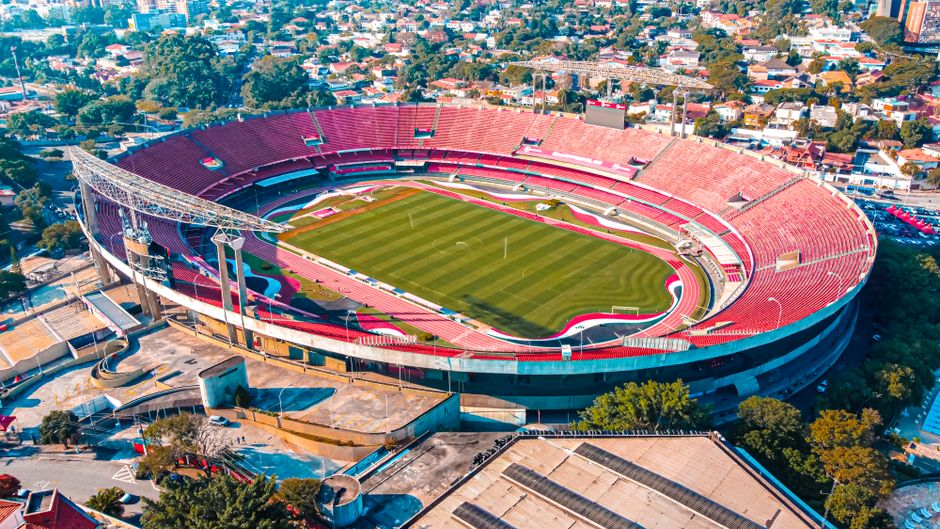
The future of São Paulo's football culture may not rest in Morumbi or the Estádio do Corinthians, but in the organised passion of Capão Redondo's weekend warriors.
This article was compiled by AI from the sources linked above and screened before publishing. See our editorial standards.