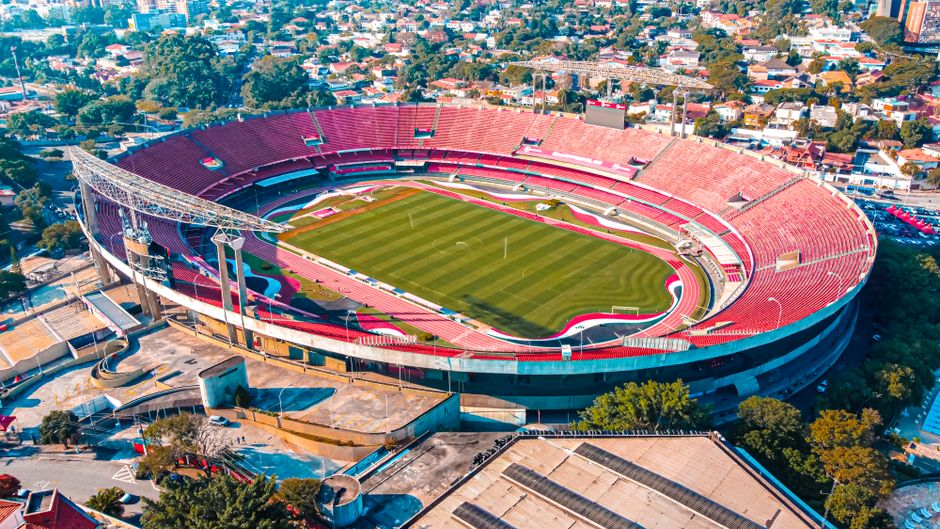
Walk through the Zona Leste on a Saturday morning, and you'll find something that rarely makes headlines: a fourteen-year-old from Itaquera perfecting her jump shot on a cracked concrete court, coached by a volunteer who works three jobs. This is where São Paulo's sporting future actually begins—not in the gleaming facilities of the Estádio do Morumbi or the Allianz Parque, but in the neighbourhood initiatives that feed talent into those arenas.
The grassroots infrastructure supporting São Paulo's sports culture has undergone a quiet revolution over the past decade. Organisations like Instituto Esporte Brasil and Centro de Treinamento de Atletismo da Zona Leste have established permanent bases in areas like Sapopemba, Ermelino Matarazzo, and Tatuapé, where access to professional facilities was once unthinkable. These programmes now serve over 8,000 young athletes annually, charging minimal fees—often just 30 to 50 reais per month—or nothing at all.
The economic impact extends beyond individual athletes. Community sport centres operating across Vila Mariana, Santo Amaro, and the outskirts have become employment hubs. Coaching certifications, maintenance roles, and administrative positions have created roughly 2,400 jobs in the grassroots sector since 2020, according to data from the São Paulo Sports Secretariat.
Perhaps most significantly, these networks have fundamentally altered the city's relationship with its major stadiums. The Estádio Cícero Pompeu de Toledo and newer facilities increasingly host community tournaments and development days rather than remaining exclusive corporate spaces. This democratisation has shifted the narrative: major venues are no longer distant monuments, but visible destinations for neighbourhood talent.
Yet challenges persist. Funding remains volatile, relying heavily on municipal budgets and private sponsorship. The 2024 drought reduced access to outdoor facilities across northern suburbs, forcing temporary closures at twenty informal training sites. Many volunteer coaches lack formal certification, and equipment shortages are chronic.
What sustains the movement is neither money nor infrastructure, but commitment. Across São Paulo's 96 districts, thousands of unpaid volunteers—teachers, retired athletes, parents—dedicate weekends to running drills, organising tournaments, and mentoring young people. They operate from church halls, public plazas, and borrowed spaces, driven by a simple conviction: that sport transforms lives.
When São Paulo hosts major events, international observers admire the stadiums. But the real story is happening in Tatuapé, Sapopemba, and dozens of other neighbourhoods, where the next generation is being shaped far from the floodlights. That's the movement reshaping the city's sporting soul.
This article was compiled by AI from the sources linked above and screened before publishing. See our editorial standards.