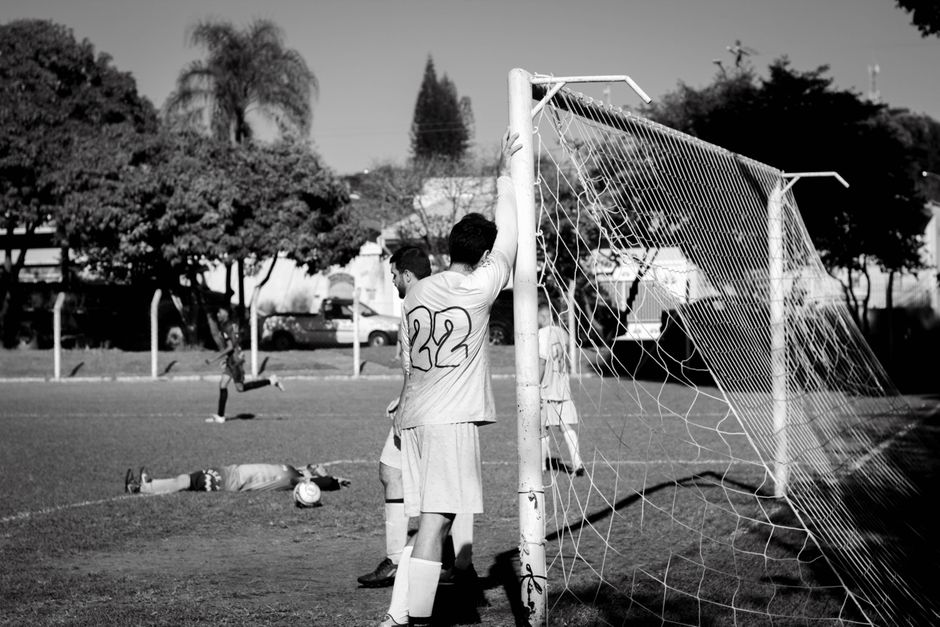
On weekends, the Praça da Paz in the Jardim Ângela district transforms into something electric. What appears as a modest concrete rectangle—surrounded by residential buildings and modest shops along Avenida Yervant Kissajikian—becomes home to nearly 200 young footballers competing in neighbourhood tournaments. There are no corporate sponsors visible here, no gleaming stadium seating. Instead, local volunteers have painted goal lines by hand, and mothers sell drinks from coolers to fund equipment repairs.
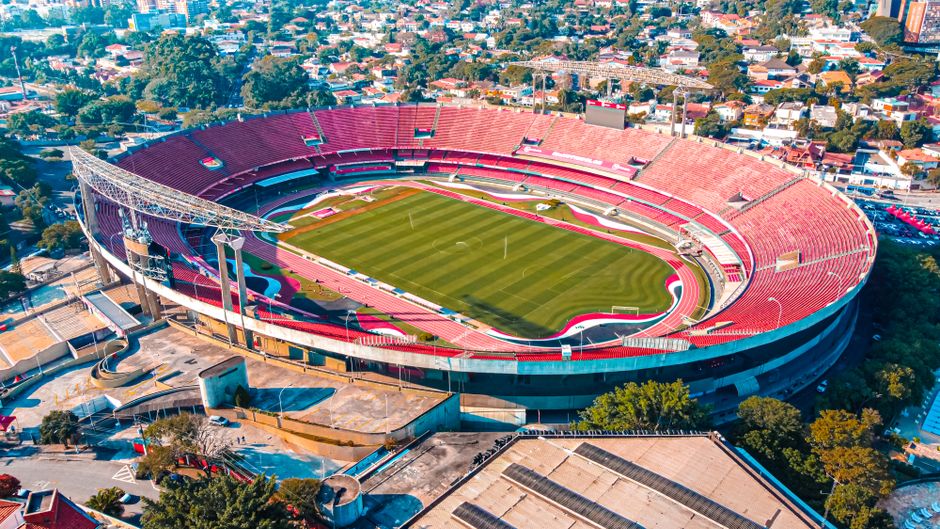
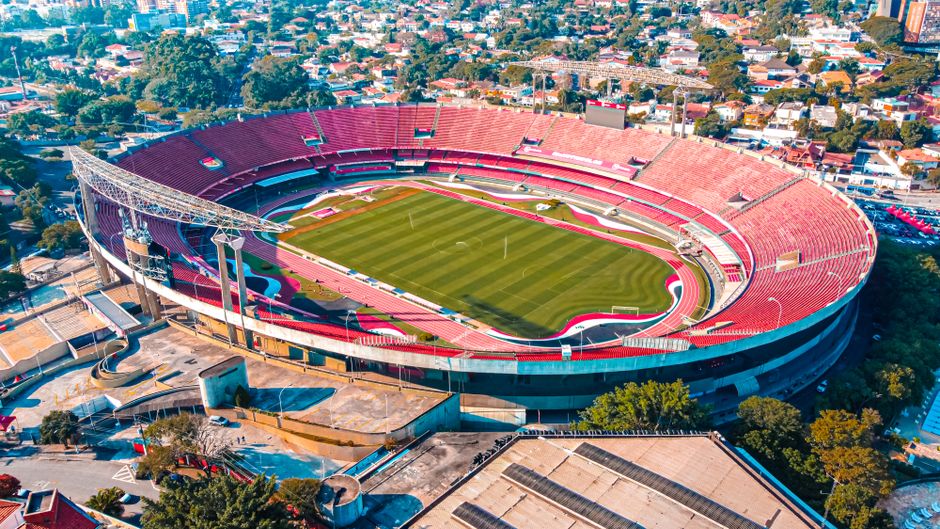
This scene repeats across São Paulo's outer zones, where a decentralised grassroots football movement has quietly grown into one of the city's most significant social interventions. Unlike the professional clubs dominating headlines—Corinthians, São Paulo FC, Palmeiras—these community initiatives operate on shoestring budgets, municipal partnerships, and relentless volunteerism.
The numbers tell an important story. According to a 2025 survey by the São Paulo Sports Institute, approximately 47 grassroots football associations now operate in peripheral neighbourhoods, engaging over 12,000 young people weekly. Many programs charge minimal fees—typically R$15-30 monthly—making participation accessible to families earning below three minimum wages. This contrasts sharply with academy programs in wealthier zones like Morumbi or Pinheiros, where monthly costs exceed R$500.
The Associação Desportiva Vila Prudente, operating from a reclaimed lot near the Tamanduateí River, exemplifies this model. What began in 2019 as an informal gathering of neighbourhood youth has evolved into a structured program with five age categories, including a dedicated girls' division that now fields three competitive teams. Participants receive basic training, medical support through partnerships with local health clinics, and—perhaps most crucially—mentorship focused on school attendance and civic engagement.
Beyond athletic development, these initiatives address documented social challenges. Research from the Federal University of São Paulo suggests young people engaged in structured grassroots football show 34% higher school retention rates and significantly reduced involvement in street crime. The psychological impact is equally documented: participants report improved self-esteem and stronger community bonds.
Funding remains perpetually precarious. Most associations cobble together revenue through municipal grants (typically R$2,000-5,000 monthly), modest sponsorships from local businesses, and community fundraising events. The city government's recent commitment to allocate R$8 million annually toward grassroots sport infrastructure represents progress, though advocates argue this remains insufficient given the scale of demand across São Paulo's 31 million residents.
As professional football increasingly dominates sporting discourse, these neighbourhood associations quietly demonstrate something profound: that football's transformative power needs no stadium lights or television cameras to flourish. In São Paulo's periphery, it simply needs space, commitment, and community.
This article was compiled by AI from the sources linked above and screened before publishing. See our editorial standards.