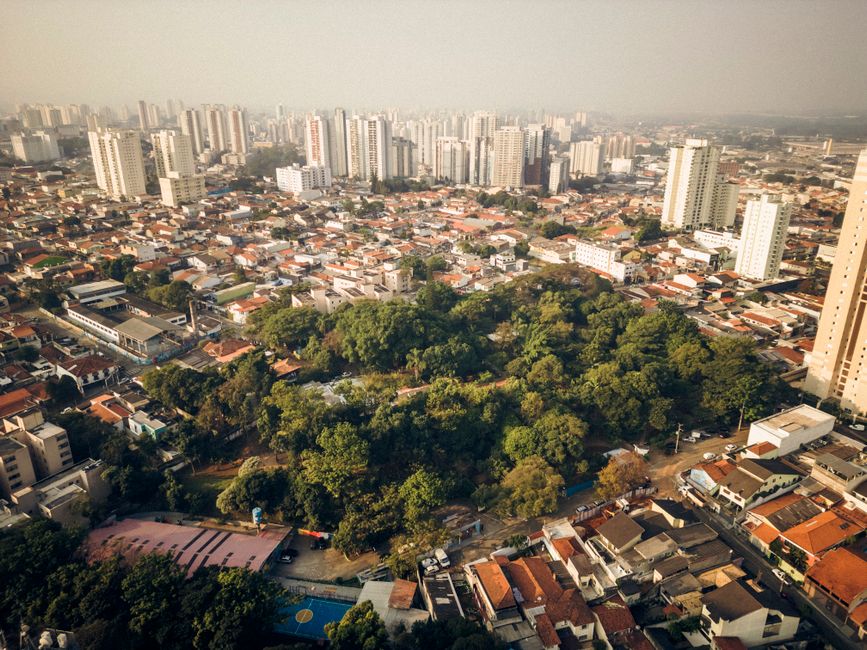
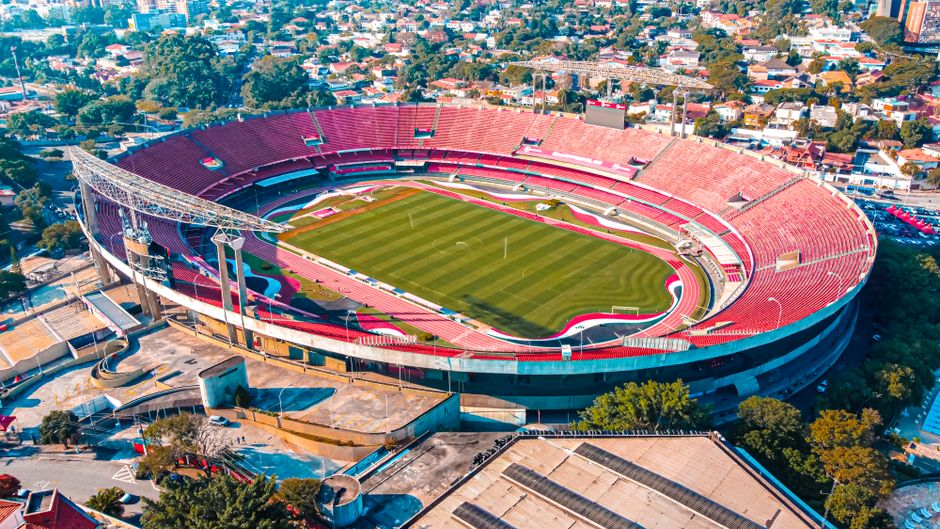
The Morumbi Stadium's recent R$180 million renovation marked a watershed moment for São Paulo football infrastructure, yet the project underscores a deeper reality: the city's footballing landscape remains deeply unequal. As two of Brazil's giants invest aggressively in their venues, dozens of smaller clubs across the metropolis grapple with aging facilities that threaten their competitive viability and community presence.
São Paulo FC's modernization of their Morumbi home—nestled in the wealthy Zona Sul neighbourhood—included state-of-the-art pitch heating systems, expanded VIP sections, and enhanced broadcast facilities. Corinthians' parallel investments in the Neo Química Arena in Itaquera, in the eastern suburbs, have positioned that club to host major international competitions. These projects represent the city's football establishment reasserting its global ambitions.
Yet venture beyond these two cathedrals, and the picture fractures. Santo André's Estádio Bruno José Daniel, located some 30 kilometres southeast in the ABC region, operates with monthly maintenance budgets that pale against São Paulo's spending. Similar struggles plague facilities across neighbourhoods like Jacarepaguá and Sapopemba, where community football clubs depend on municipal support that rarely exceeds R$50,000 annually.
The infrastructure disparity extends beyond match-day venues. Training facilities reveal the sharpest divisions. While Corinthians' CT Joaquim Grava in Tatuapé boasts Olympic-standard amenities—including climate-controlled indoor pitches and sports science laboratories—grassroots clubs in Vila Madalena and Pinheiros rely on converted public parks and borrowed municipal grounds. Access to professional-grade facilities increasingly determines which young players reach elite academies.
Municipal authorities acknowledge the gap. São Paulo's Department of Sports has allocated R$45 million for facility upgrades across five neighbourhoods through 2027, prioritizing infrastructure in underserved areas. However, experts argue this remains insufficient for a city of 12 million residents where football remains the primary social infrastructure in many communities.
The economic stakes are substantial. Modernized stadiums generate significant revenue through premium seating, hospitality packages, and event hosting—tools unavailable to clubs operating from aging grounds. Real estate pressures around the Zona Leste increasingly threaten smaller facilities with redevelopment.
As São Paulo positions itself for continued prominence in Brazilian and continental football, questions persist about whether infrastructure development will remain concentrated among the established elite or whether meaningful investment reaches the neighborhood clubs that historically formed the city's footballing soul.
This article was compiled by AI from the sources linked above and screened before publishing. See our editorial standards.