From Concrete to Dreams: How São Paulo's Grassroots Football Movement Is Changing Lives in the Favelas
Community-led initiatives across the city's poorest neighbourhoods are using football as a tool for social transformation, one pitch at a time.
Community-led initiatives across the city's poorest neighbourhoods are using football as a tool for social transformation, one pitch at a time.
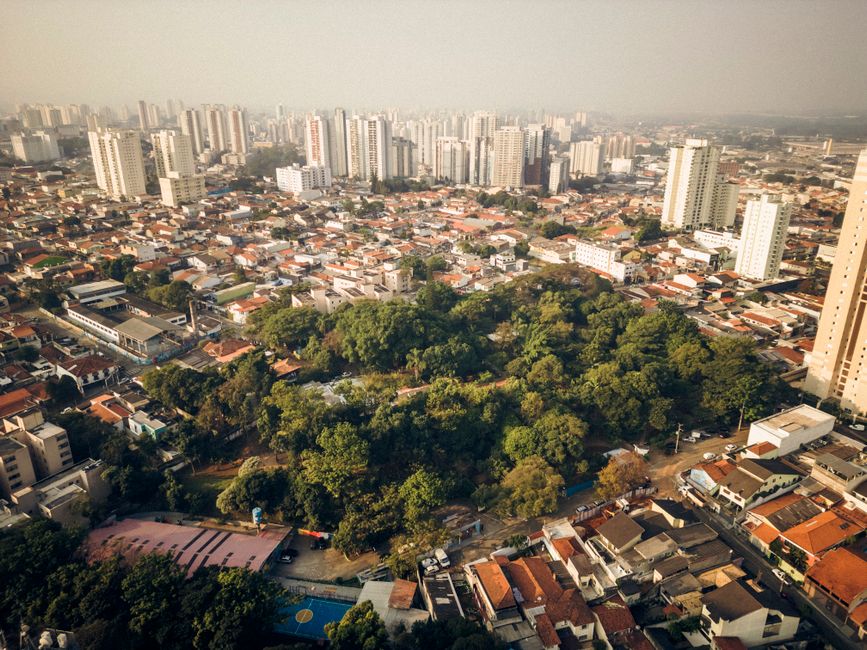
On a Saturday morning in Paraisópolis, one of São Paulo's largest favelas, a converted warehouse on Rua São Vicente serves as headquarters for what has become one of the city's most vital grassroots football movements. Here, amid the narrow streets and densely packed homes, children lace up donated boots and prepare for matches that mean far more than three points on a table.
The Paraisópolis Football Initiative, one of dozens of community-led programmes operating across neighbourhoods like Capão Redondo, Heliópolis, and Cidade Tiradentes, has transformed the lives of over 2,400 young people since its launch in 2019. Operating on a budget of approximately 180,000 reais annually—funded through local business partnerships and municipal grants—the organisation provides free training, nutritional support, and educational mentoring to children aged 7 to 16.
"Football is the door, but education is the destination," explains the movement's philosophy, evident in its insistence that participants maintain school attendance. Last year, 94 per cent of enrolled children improved their academic grades, according to programme data.
The impact extends beyond individual players. In Capão Redondo, where the historic Estádio Cidade de Capão Redondo once fell into disrepair, community volunteers have rehabilitated the facility into a training ground that hosts matches three times weekly. Local residents—many unemployed or underemployed—now work as volunteer coaches, ground staff, and administrators, restoring dignity and purpose to their neighbourhoods.
What makes São Paulo's grassroots movement distinctly powerful is its integration with the city's formal football structure. Several young players from Paraisópolis and neighbouring communities have graduated into semi-professional circuits, with three currently playing for lower-division clubs in the São Paulo state championship. This upward mobility—however rare—provides tangible hope for thousands watching from the sidelines.
The movement also addresses health inequities. Free medical screenings, vaccination drives, and mental health support have become embedded into training schedules across participating venues. In Heliópolis, a partnership with local health clinics has reduced dropout rates among participants by providing wraparound services.
As São Paulo's major clubs dominate headlines and television screens, these neighbourhood initiatives quietly demonstrate football's most transformative potential. They remind us that the beautiful game's true power lies not in trophies or television contracts, but in its capacity to bind communities together and offer pathways to possibility where few existed before.
This article was compiled by AI from the sources linked above and screened before publishing. See our editorial standards.
How does this story make you feel?
Spread the word
About this article
Published by The Daily São Paulo
Daily brief
Free, in your inbox before 7am. Weekdays.
More in Sport