From Favela to Pool: How São Paulo's Grassroots Swimming Movement Is Changing Lives
Community-led aquatic programs across the city's neighbourhoods are proving that access to water sports requires neither Olympic facilities nor deep pockets.
Community-led aquatic programs across the city's neighbourhoods are proving that access to water sports requires neither Olympic facilities nor deep pockets.

On Saturday mornings, the outdoor pool at Parque da Juventude in Zona Norte becomes a classroom for nearly 80 children from surrounding communities. There are no elite coaches, no corporate sponsorships—just volunteers and determination. This scene, replicated across São Paulo's neighbourhoods from Diadema to Santo Amaro, represents a quiet revolution in how the city's poorest residents are discovering aquatic sports.
The movement gained momentum five years ago when local associations began converting municipal pools and natural water spaces into accessible training grounds. The Centro de Treinamento Aquático Popular operates three locations across the periphery, charging families between R$40 and R$80 monthly—a fraction of private club fees that can exceed R$400. According to the organisation's records, over 2,000 children have learned to swim through these programmes since 2021.
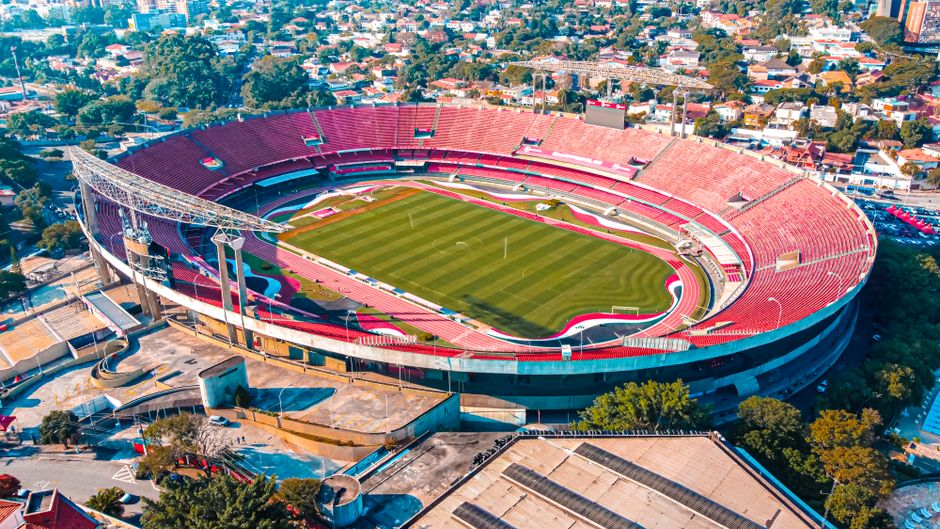
"Water sports were never part of our neighbourhood conversation," explains Mariana Santos, coordinator of the Projeto Água Viva initiative in Itaquera. "We had children drowning in the Tietê, in construction sites, because swimming wasn't considered essential. Now we're changing that narrative." The organisation operates from a repurposed warehouse near the Corinthians stadium, utilising a partnership with local government to access municipal facilities during off-peak hours.
The infrastructure challenge remains acute. São Paulo's public pools—concentrated primarily in wealthy zones like Pinheiros and Vila Mariana—serve less than 15 per cent of the city's population efficiently. Grassroots programmes have adapted by utilising natural bodies of water after rigorous safety assessments, partnering with sports clubs for weekend access, and even installing portable pools in community centres.
What distinguishes these initiatives is their emphasis on life skills alongside athletic development. Drowning remains the leading cause of unintentional death among children aged 5-14 in Brazil; São Paulo records approximately 80 water-related deaths annually in low-income areas. Training programmes deliberately integrate water safety, CPR certification, and environmental consciousness.
Success stories fuel momentum. Several swimmers trained through grassroots programmes now compete in state championships. More significantly, community participants have begun coaching younger cohorts, creating sustainable networks that require minimal external funding.
The movement faces persistent obstacles: municipal budget constraints, seasonal pool closures, and competition for space with other essential services. Yet volunteers continue organising weekend training sessions, fundraising through local events, and advocating for policy changes that prioritise aquatic access as a public health priority rather than recreational luxury.
As São Paulo's sports landscape evolves, these grassroots swimmers—many of whom may never reach professional levels—are already transforming their communities. They represent not medals or records, but a fundamental reimagining of who gets to access sport in Latin America's largest metropolitan area.
This article was compiled by AI from the sources linked above and screened before publishing. See our editorial standards.
How does this story make you feel?
Spread the word
About this article
Published by The Daily São Paulo
Daily brief
Free, in your inbox before 7am. Weekdays.
More in Sport