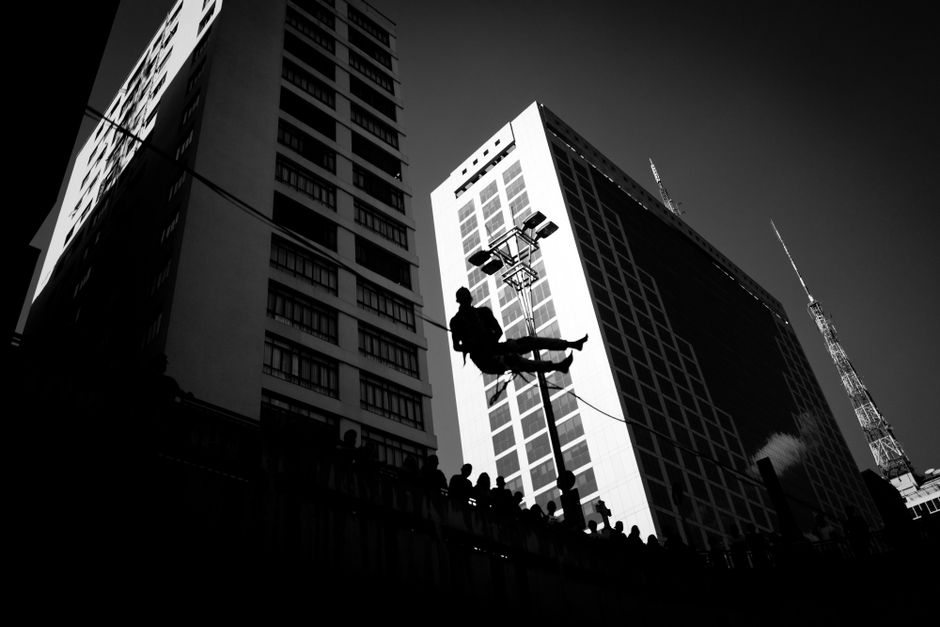
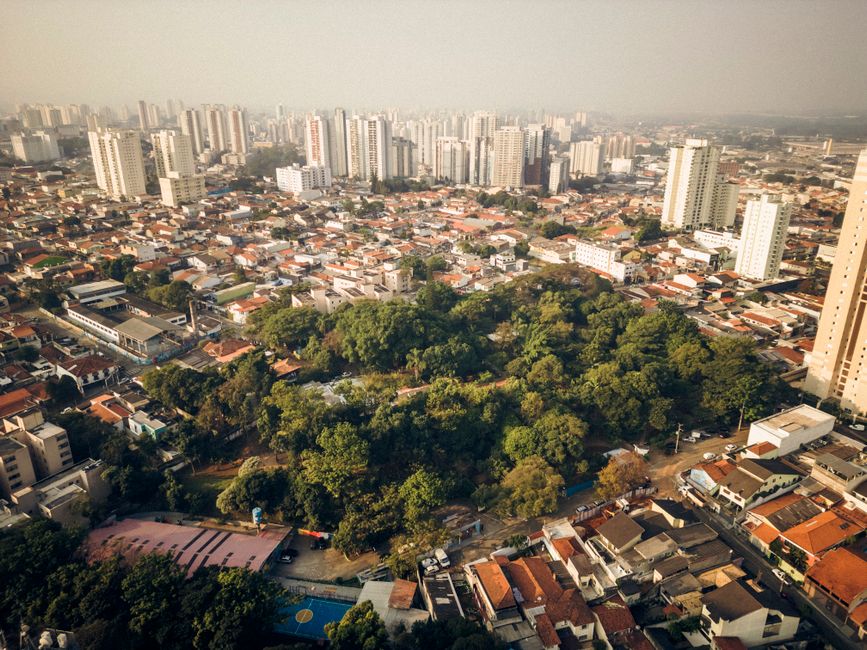
In the shadow of Pico do Jaraguá, São Paulo's highest point at 1,135 metres, a quiet revolution has been unfolding. Over the past decade, climbing—once considered an elite pursuit for the wealthy few—has become a genuine community movement in Latin America's largest city, driven not by corporate sponsors or marketing departments, but by ordinary Paulistas determined to democratise access to the sport.
The transformation is evident in the numbers. A decade ago, São Paulo had fewer than five commercial climbing gyms. Today, there are over thirty, with at least fifteen operating in peripheral neighbourhoods like Itaquera, Capão Redondo, and São Miguel Paulista. More significantly, grassroots collectives have established informal climbing communities in natural rock formations across the metropolitan region, from the granite faces near Mairiporã to the lesser-known crags dotting the Serra da Cantareira.
The movement gained momentum around 2019 when local climbers began organising free weekend ascents and skill-sharing sessions at accessible sites. What distinguished this growth was its deliberate focus on inclusion. Monthly membership at community-run gyms averages R$120—roughly half the price of premium facilities in Pinheiros or Vila Mariana—while outdoor sessions remain entirely free, attracting climbers of all economic backgrounds.
Organisations like Coletivo Vertical, based near the Vila Leopoldina waterfront, have been instrumental in this shift. Operating largely through volunteer instructors and donated equipment, these groups have introduced climbing to thousands who might never have encountered the sport otherwise. The movement extends beyond the sport itself; many community initiatives incorporate environmental education, teaching climbers about the ecological significance of São Paulo's remaining natural rock formations.
The infrastructure tells its own story. While high-end gyms cluster in wealthy zones, community-operated facilities have sprouted in Zona Leste neighbourhoods, often occupying repurposed warehouse spaces. This geographic diversification has created a parallel climbing culture, one less focused on competition and more orientated toward mutual support and skill development.
By 2025, estimates suggest over 45,000 active climbers were engaging with these grassroots initiatives across the São Paulo metropolitan area—a figure that would have seemed impossible fifteen years ago. The movement has also spawned secondary benefits: local youth employment through gym operations, increased tourism to peripheral neighbourhoods, and a visible shift in how younger Paulistas view outdoor recreation.
As São Paulo's climbing community continues expanding, its most significant achievement may be this: proving that genuine sporting movements need not follow top-down models. Built on sweat, solidarity, and shared passion rather than capital, the city's climbing renaissance demonstrates how urban communities can reclaim public space and create their own narratives around extreme sport.
This article was compiled by AI from the sources linked above and screened before publishing. See our editorial standards.