From Pinheiros to Guarulhos: What Swimming Numbers Reveal About São Paulo's Fitness Priorities
Participation data shows water sports are reshaping how the city's middle class approaches health and wellbeing.
Participation data shows water sports are reshaping how the city's middle class approaches health and wellbeing.
São Paulo's aquatic facilities are experiencing a quiet boom that traditional gym membership figures don't capture. Recent participation data reveals that swimming and water aerobics now account for nearly 18% of organised fitness activity across the metropolitan area—a jump from 11% just five years ago—offering a window into how Paulistas are fundamentally rethinking their approach to personal health.
The shift is most visible in neighbourhoods like Pinheiros and Vila Mariana, where municipal pools operate at 85-90% capacity during peak hours. The Clube de Regatas do Tietê, anchored along the Tietê waterfront, has seen membership applications surge 34% since 2023, while smaller operations in Zona Leste neighbourhoods like Tatuapé and Itaquera report similar trajectories. Monthly membership costs typically range from R$220 to R$450 at established clubs, with municipal facilities offering subsidised access at around R$80 monthly for residents.
What the numbers tell us matters. Unlike traditional gym culture—which has plateaued in São Paulo despite the city's wealth concentration—aquatic participation cuts across income brackets more evenly. Municipal data suggests that while private club memberships skew toward higher earners, public pool usage in peripheral zones has grown fastest. The Secretaria de Esportes reports that structured water aerobics classes at public facilities in Guarulhos and the ABC region now operate triple-shifts to meet demand.
Fitness professionals attribute this partly to injury prevention awareness. Swimming's low-impact profile appeals to an ageing demographic: roughly 32% of new aquatic participants are over 50, compared to 18% a decade ago. But younger cohorts aren't absent. Data from the São Paulo Swimming Federation shows junior competitive membership has grown 12% annually, particularly in freestyle and backstroke categories.
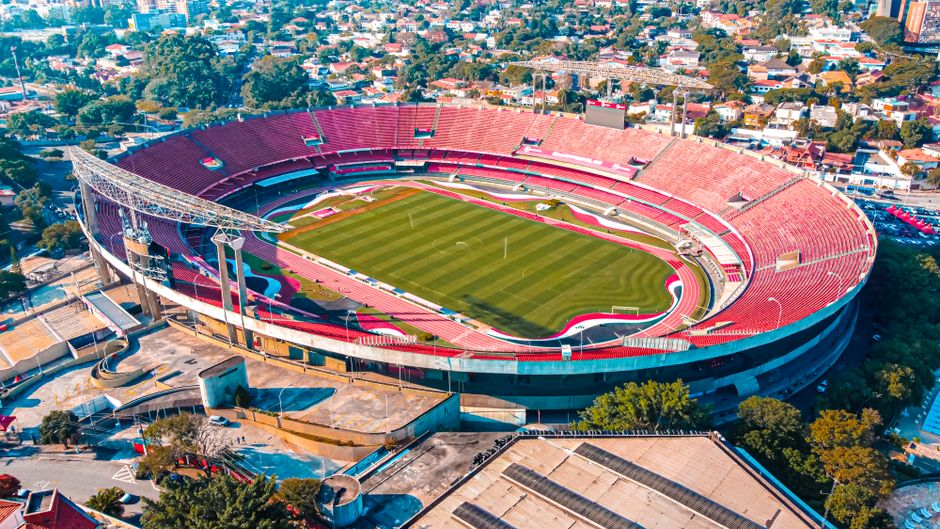
The infrastructure response has been uneven. While central zones benefit from renovated facilities—the Clube Atlético São Paulo's recently upgraded aquatic centre exemplifies the trend—outer neighbourhoods still face bottlenecks. Waitlists at public pools in Itapecerica da Serra and Mogi Cruz routinely extend months.
This participation pattern signals something beyond fitness fashion. Paulistas are gravitating toward activities that demand less time (aquatic workouts average 45 minutes versus 60-90 for gym sessions) and deliver visible results. With heat and humidity dominating three seasons annually, water sports align with climate reality rather than fighting it.
As June data settles in, one conclusion emerges clearly: São Paulo's fitness culture is becoming increasingly wet. How the city's planners respond to sustained demand for aquatic access will define whether this trend reaches beyond the prosperous neighbourhoods where it currently concentrates.
This article was compiled by AI from the sources linked above and screened before publishing. See our editorial standards.
How does this story make you feel?
Spread the word
About this article
Published by The Daily São Paulo
Daily brief
Free, in your inbox before 7am. Weekdays.
More in Sport