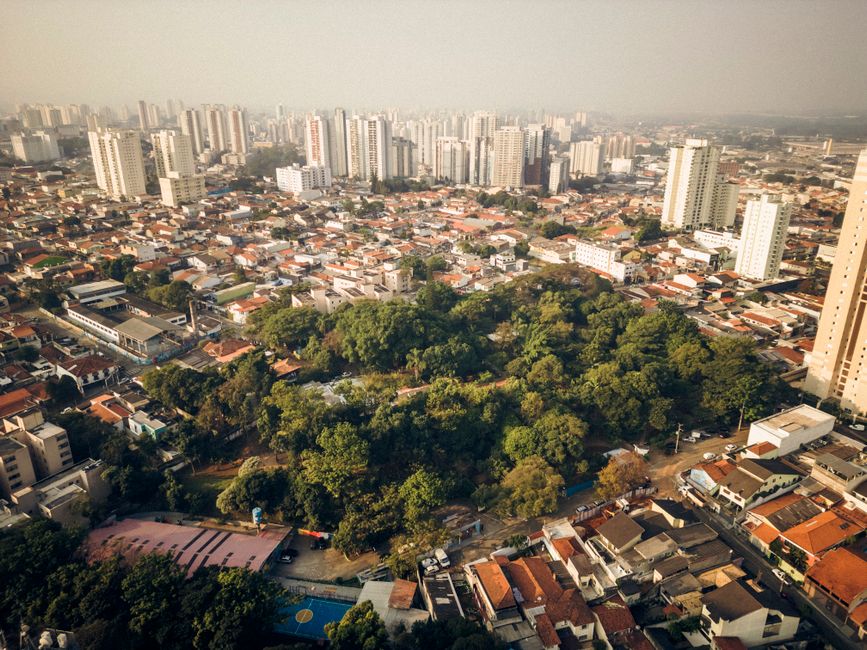
Walk through the Zona Leste on any Saturday morning, and you'll find something The Daily's sports desk rarely covers: the real engine of São Paulo's sporting culture. In Vila Formosa, a neighbourhood most tourists never reach, teenagers queue at dawn outside a modest community centre on Rua Capitão Joaquim Nabuco, hoping for a spot in the local futsal league. Entry costs R$15. The pitch is worn, the lights flicker, but the intensity rivals anything at Morumbi.
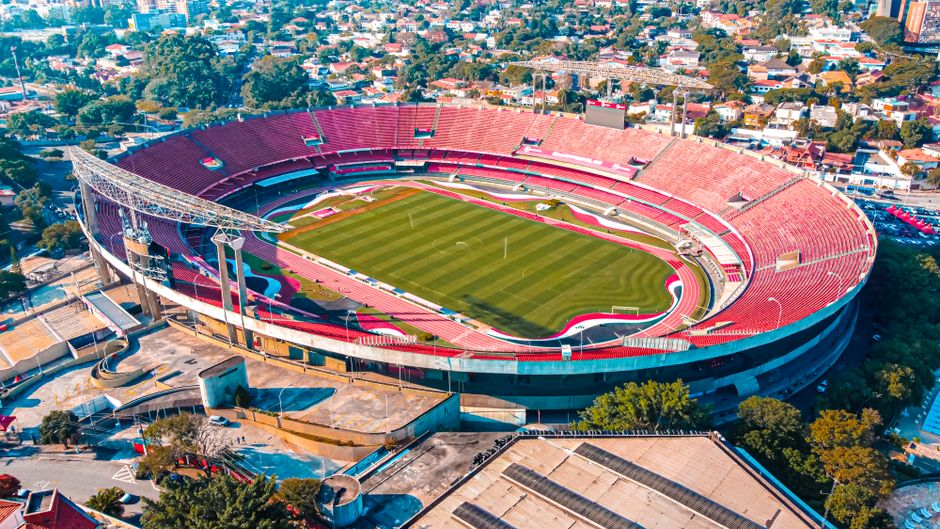
This is where Brazil's next generation actually trains. While elite academies at Corinthians and São Paulo FC command international attention, community organisations operating across Vila Madalena, Itaquera, and Sapopemba have quietly become the lifeblood of grassroots sport in São Paulo. Data from the City Hall Sports Department shows that 87% of young athletes in the capital under 16 participate in community-led programmes, not professional clubs.
The numbers tell a compelling story. Across the city's 96 neighbourhoods, an estimated 340 registered community sports associations operate with minimal municipal funding—averaging R$8,000 annually per organisation. Yet these venues host volleyball tournaments, basketball leagues, and capoeira circles that serve populations entirely absent from the Estádio do Morumbi's upper deck price tags.
Take Instituto Rumo ao Topo in Capão Redondo, or the Associação Desportiva da Vila Prudente in Zona Leste. These organisations operate with donated equipment, volunteer coaches, and grassroots fundraising. A recent survey by the Observatório do Esporte found that community facilities processed nearly 2.3 million participant-hours annually—dwarfing the spectator capacity of major stadiums.
The paradox is stark. São Paulo boasts world-class venues hosting international matches and major events. Yet the true measure of a city's sporting health lies in its neighbourhood courts. Here, a teenager from a favela might discover they're a natural centre-back. A girl from Itaquera might realise she can shoot three-pointers. These moments—unremarkable to mainstream media, transformative to communities—form the invisible foundation upon which stadium legends are eventually built.
As São Paulo positions itself for future major sporting events, policymakers face an uncomfortable question: how much investment reaches the grassroots? The answer currently: not enough. The R$340 million annual municipal sports budget barely touches the R$2.7 billion economic value these community programmes generate through health, social cohesion, and talent development.
Elite stadiums will always capture attention. But São Paulo's true sporting revolution happens on the concrete courts of Vila Formosa, beneath string lights in Sapopemba, and in the hearts of communities that expect nothing from the system—yet continue to build something extraordinary.
This article was compiled by AI from the sources linked above and screened before publishing. See our editorial standards.