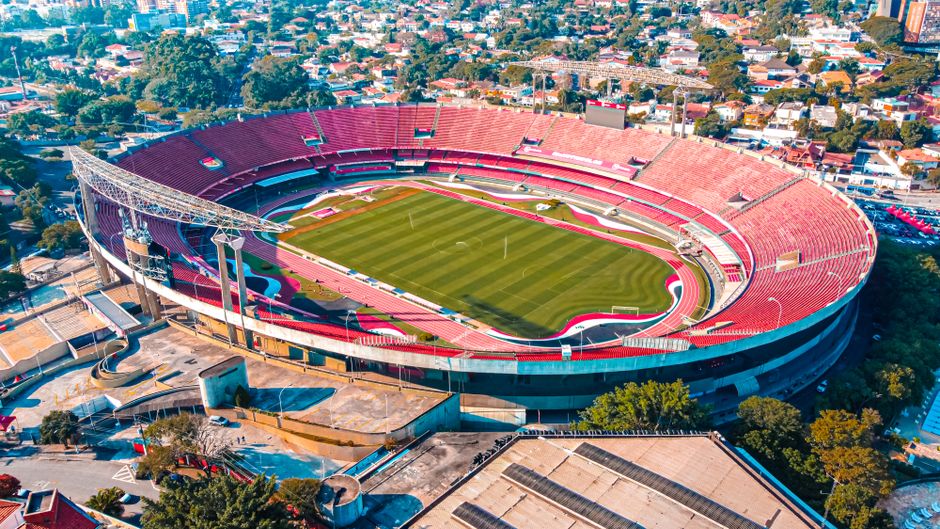
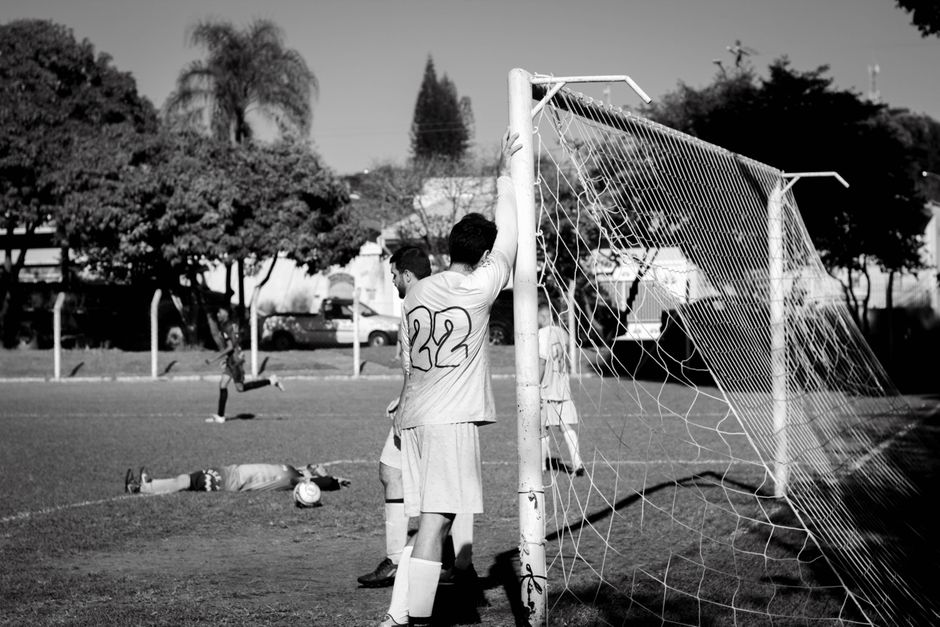
Walk through the Jardim da Esperança district on any weekday afternoon, and you'll find dozens of teenagers moving through a newly renovated futsal court on Rua Gomes de Carvalho. Five years ago, this space barely existed—a cracked concrete lot where local kids played barefoot between parked cars. Today, it's part of a broader transformation reshaping how São Paulo nurtures its youngest sporting talent.
The city's grassroots infrastructure boom reflects both municipal commitment and private sector involvement. The São Paulo State Sports Secretariat has invested approximately R$180 million since 2022 in upgrading neighbourhood facilities across the peripheral zones—Zona Sul, Zona Leste, and Zona Norte—where talent often goes undiscovered. Municipal complexes in Tatuapé, Itaquera, and Parelheiros now feature eight-lane swimming pools, professional basketball courts, and synthetic grass pitches that match international standards.
"The difference between a kid playing on concrete and one with proper facilities is everything," explains Ricardo Fernandes, director of grassroots programmes at Clube Atlético Juventus. Their academy in Mooca has expanded from serving 200 youth athletes in 2020 to over 600 today, capitalising on improved local infrastructure that reduces travel time for participants from outer neighbourhoods.
Private clubs haven't monopolised this expansion. Community organisations like Instituto Ayrton Senna have established training hubs in Vila Mariana and the Capão Redondo region, offering subsidised access to young athletes regardless of family income. Their facilities charge between R$50-150 monthly—roughly 40% below market rates—making elite-level coaching accessible to economically disadvantaged youth.
Yet challenges persist. Many of São Paulo's 96 districts still lack adequate sporting infrastructure. The wait list for public swimming lessons in the Zona Leste exceeds 3,000 children. Equipment maintenance remains inconsistent, with some municipal facilities deteriorating rapidly due to budget constraints. The gap between the Pinheiros neighbourhood—where private academies boast climate-controlled training zones and sports science laboratories—and peripheral areas remains stark.
Nonetheless, the trajectory is undeniable. Investment in grassroots infrastructure is democratising access to professional development pathways. Young athletes no longer need family wealth or geographic proximity to elite clubs to access quality facilities and coaching. As São Paulo competes nationally and internationally for talent, this shift in investment—placing infrastructure development at the city's periphery—may ultimately prove the most strategic play of all.
This article was compiled by AI from the sources linked above and screened before publishing. See our editorial standards.