São Paulo's sporting landscape stretches across the sprawling metropolis like a carefully mapped constellation—each venue a point of light marking decades of athletic passion and considerable municipal investment. The city's capacity to host everything from international football matches to Olympic-level training operations rests on infrastructure that has evolved dramatically over the past decade, transforming how both professional and amateur athletes prepare and compete.
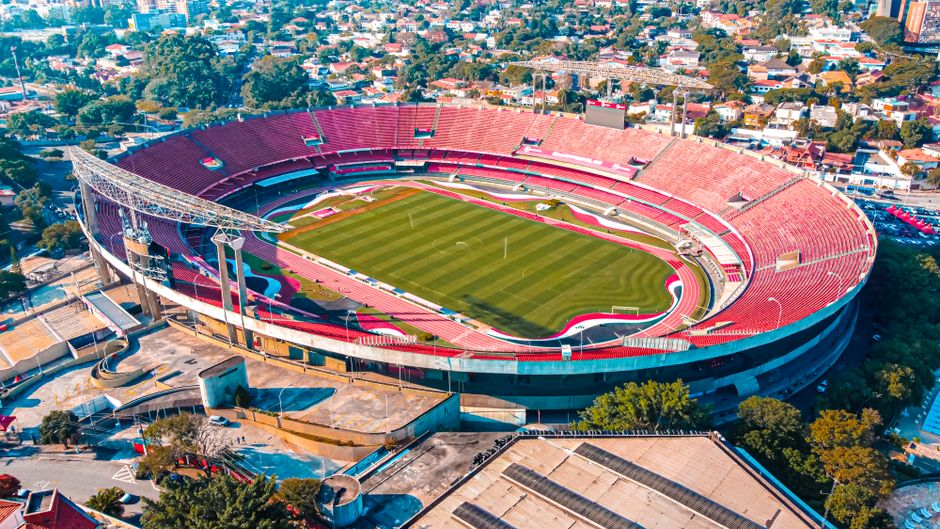
The Estádio do Morumbi remains the architectural centerpiece of São Paulo football culture, nestled in the Zona Oeste neighbourhood. With its 72,000-capacity and recent renovations totalling approximately R$400 million, the stadium now features modern hospitality suites, enhanced broadcasting facilities, and improved accessibility infrastructure. Yet the Morumbi represents only one piece of a much larger puzzle. Across the city, from the Estádio do Pacaembu in the downtown Consolação district to the Allianz Parque in Perdizes, venues compete for prominence while serving overlapping sporting constituencies.
The real transformation, however, extends beyond traditional stadiums into specialist facilities. The Centro de Treinamento da Paralimpíada, established in the eastern suburbs near São Caetano do Sul, has become a regional hub for adaptive athletics, attracting wheelchair basketball teams and Para-athletes from across South America. Investment in these facilities—estimated at over R$150 million—reflects São Paulo's recognition that modern sport requires diverse, purpose-built spaces.
Training complexes operated by major clubs now incorporate sports science centres, physiotherapy wings, and nutrition laboratories that rival European standards. The infrastructure arms race has intensified competition between institutions, driving upgrades in everything from pitch quality—many now featuring hybrid grass systems maintaining year-round playability—to environmental sustainability measures including rainwater harvesting and solar panel installations.
Municipal authorities have invested in neighbourhood-level facilities as well. The Programa de Esportes nas Periferias has established 47 community sports centres across districts like Heliópolis and Itaquera, each equipped with basketball courts, futsal pitches, and strength conditioning areas. These grassroots facilities serve approximately 15,000 young residents weekly, creating pipelines that feed elite programmes.
Transportation infrastructure equally matters. The expansion of the São Paulo Metro, particularly extensions to Itaquera serving the eastern athletic complexes, has reduced travel time for athletes and spectators. The Rodoanel, the outer ring road, now connects suburban training facilities more efficiently to central venues.
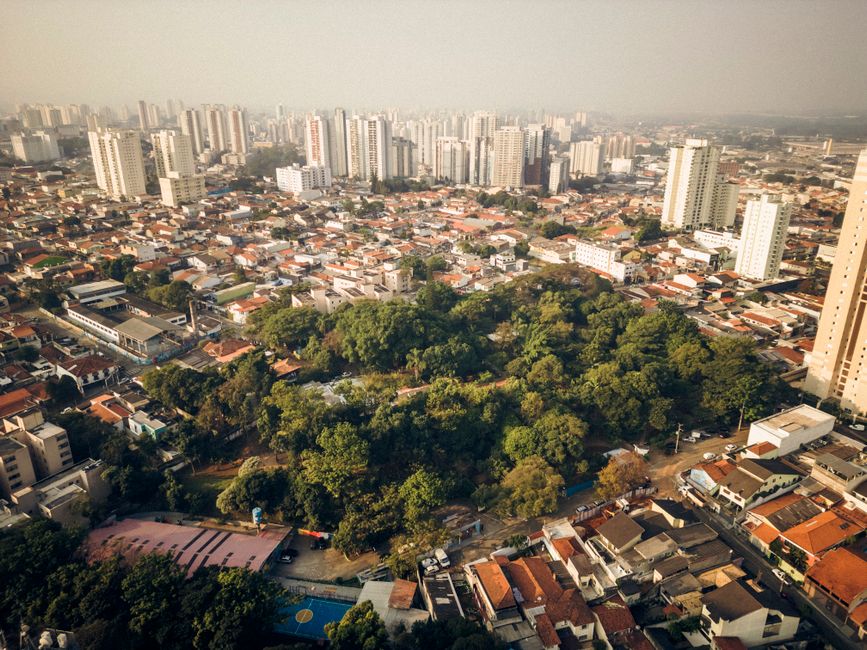
As São Paulo positions itself for potential future major sporting events, the adequacy of existing infrastructure and the strategic development of new facilities remain central to the city's competitive advantage. The question no longer concerns whether the city possesses sufficient venues, but rather how effectively these dispersed facilities integrate into a cohesive, accessible sporting ecosystem serving millions.
This article was compiled by AI from the sources linked above and screened before publishing. See our editorial standards.