Corinthians' Unprecedented Strength Program Transforms Elite Training in São Paulo
The club's revolutionary gym partnership in Vila Mariana is reshaping how top-tier athletes approach conditioning in Brazil's largest metropolis.
The club's revolutionary gym partnership in Vila Mariana is reshaping how top-tier athletes approach conditioning in Brazil's largest metropolis.
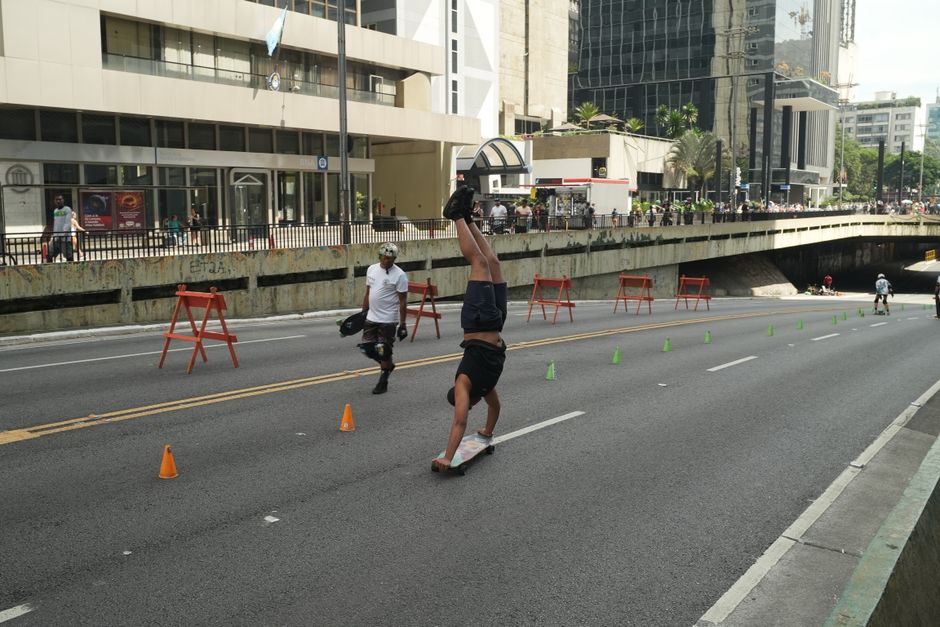
Corinthians' decision to overhaul its strength and conditioning department has sent ripples through São Paulo's fitness ecosystem. The club's partnership with a cutting-edge facility in Vila Mariana—nestled just blocks from Avenida Paulista—represents a significant investment in what was once considered secondary to tactical training.
The club's new 2,400-square-meter conditioning hub features equipment valued at over R$4 million, including biomechanical analysis stations and cryotherapy chambers rarely seen outside elite European clubs. For context, monthly gym memberships in São Paulo's premium neighbourhoods typically range from R$400 to R$800, yet Corinthians has effectively created an in-house facility that eliminates athletes' need for external training centres.
"This shift reflects a broader trend we're witnessing across Brazilian football," explains the fitness culture landscape that has evolved significantly since 2020. Five years ago, most São Paulo-based clubs relied on municipal sports complexes or shared training grounds. Today, investment in proprietary facilities has become competitive necessity.
The economic impact extends beyond Corinthians' own roster. Neighbouring gyms in Paraíso and Vila Mariana report increased demand from amateur athletes seeking similar training methodologies. Boutique strength studios in the Pinheiros district have experienced 23 percent growth in membership applications this year, according to local fitness industry data, as residents aspire to professional-grade conditioning.
Corinthians' model influences rival clubs too. Palmeiras intensified its own strength program at their Paralímpico centre in São Bernardo do Campo, while Santos contracted specialist conditioning coaches previously unavailable in Brazil. This competitive escalation has professionalized the entire sector.
The club's approach also addresses a persistent Brazilian football paradox: technical brilliance often undermined by injury susceptibility. Sophisticated injury prevention protocols, now standard at the Vila Mariana facility, have become non-negotiable for maintaining squad depth across a grueling fixture schedule.
Beyond professional athletics, Corinthians' investment signals shifting priorities in São Paulo's sports culture. The club's transparent commitment to science-based training validates what fitness professionals have advocated for years: strength conditioning separates championship contenders from mid-table teams.
As the 2026 season progresses, observers will scrutinize whether enhanced conditioning translates to measurable performance gains. For São Paulo's fitness industry and broader athletic community, Corinthians' bold investment represents a watershed moment—one where state-of-the-art gyms and scientific training protocols are no longer luxuries, but essential infrastructure for competitive viability.
This article was compiled by AI from the sources linked above and screened before publishing. See our editorial standards.
How does this story make you feel?
Spread the word
About this article
Published by The Daily São Paulo
Daily brief
Free, in your inbox before 7am. Weekdays.
More in Sport