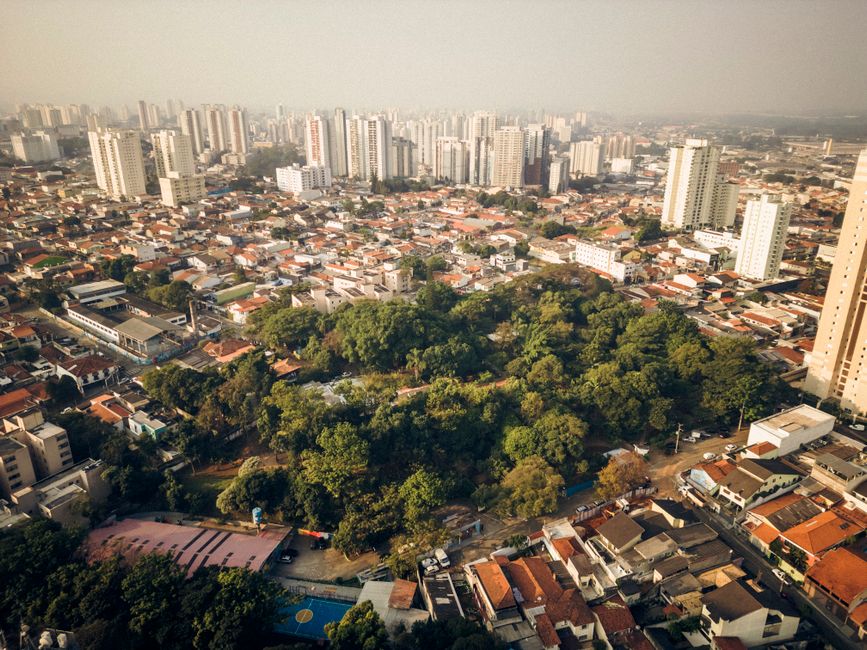
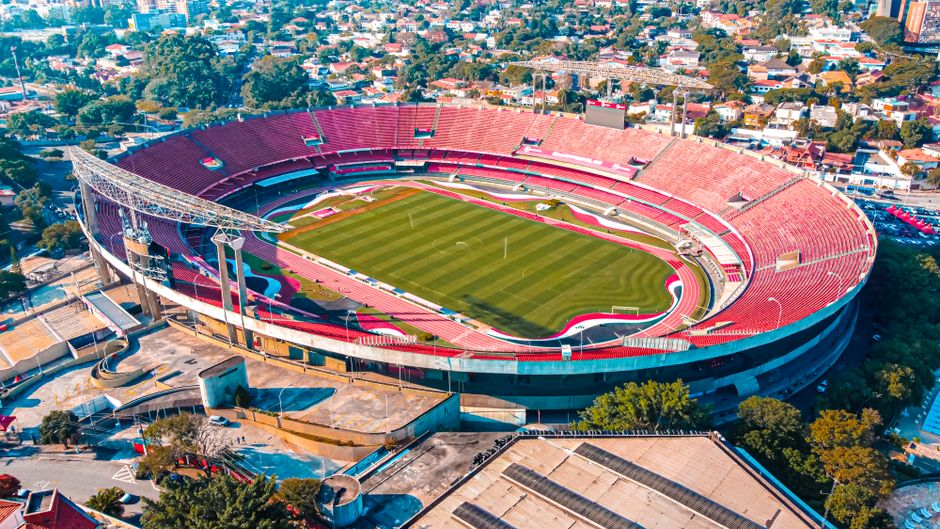
Walk through the neighbourhoods of Itaquera, São Miguel Paulista, and Cidade Tiradentes on any Saturday morning, and you'll witness a quiet revolution taking place on the city's courts and pitches. While São Paulo's iconic Estádio do Morumbi and Allianz Parque dominate headlines, it is the smaller, often overlooked sports complexes scattered across the city's periphery that are genuinely changing young lives.
The Secretaria Municipal de Esportes has prioritised infrastructure expansion in underserved regions, with particular focus on Zona Leste—home to nearly 40 per cent of the city's youth population. In the past three years alone, the municipality has refurbished over 60 neighbourhood courts, upgraded drainage systems at public pitches, and installed LED lighting at 34 facilities in outer districts. The investment reflects a strategic shift: rather than concentrate resources in affluent south-side clubs, the city recognises that sustainable talent development begins where the majority of young athletes actually play.
Organisations like Instituto Brasileiro de Responsabilidade Social have documented that access to quality facilities directly correlates with participation rates. In 2023, approximately 180,000 young Paulistas aged 8–17 participated in organised grassroots sports programmes—a 22 per cent increase from 2020, largely attributed to facility improvements. The average cost for youth to participate in municipally-run programmes remains below R$50 monthly, making sport accessible across income brackets.
Yet challenges persist. Maintenance budgets remain stretched thin. The Vila Mariana sports complex underwent a six-month closure last year for structural repairs, temporarily displacing 300 young footballers and volleyball players. Similar stories echo across districts like Sapopemba and Ermelino Matarazzo, where facilities operate at capacity with ageing equipment.
Partnerships have emerged as a practical solution. The Confederação Brasileira de Voleibol's partnership with the municipality has seen five dedicated indoor courts upgraded in peripheral neighbourhoods since 2024. Simultaneously, clubs including Corinthians and São Paulo FC have expanded their youth academy satellite facilities beyond traditional strongholds, establishing training bases in Itapecerica da Serra and Taboão da Serra to widen the talent pipeline.
As Brazil prepares for another World Cup cycle, the conversation around elite development increasingly centres on infrastructure equity. A young talent born in Grajaú possesses the same potential as one from Jardins—but only if the facilities, courts, and pitches reflect that truth. São Paulo's grassroots infrastructure is imperfect, still evolving. Yet the trajectory is unmistakable: the city is finally investing where champions are genuinely forged.
This article was compiled by AI from the sources linked above and screened before publishing. See our editorial standards.