From Concrete Courts to World Stage: How São Paulo's Grassroots Movements Built a Sports City
Behind the gleaming facades of Morumbi and Allianz Parque lies a network of community organisations transforming neighbourhoods through sport.
Behind the gleaming facades of Morumbi and Allianz Parque lies a network of community organisations transforming neighbourhoods through sport.
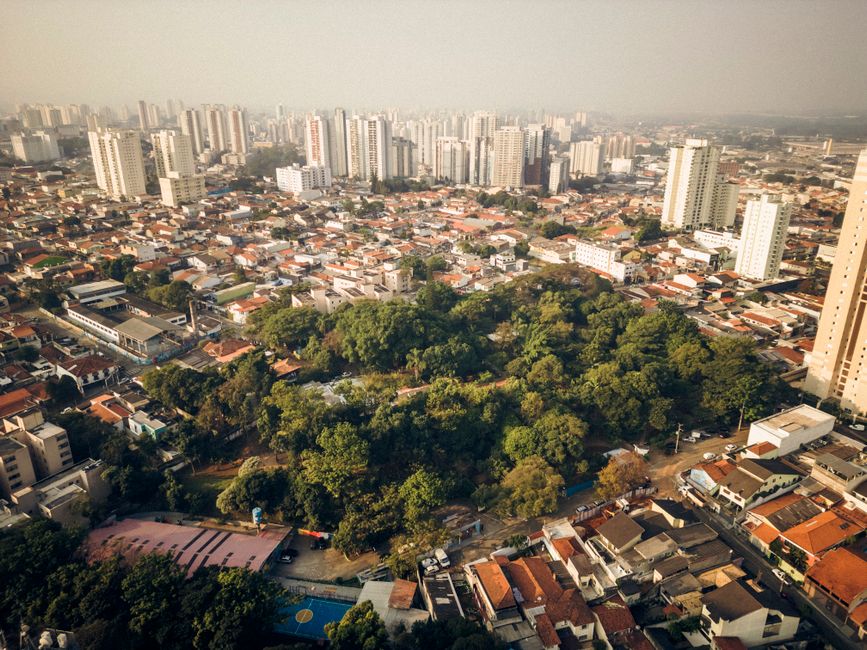
Walk through the Jardim Ângela on a Saturday morning, and you'll find more than a dozen futsal courts humming with activity. Children in mismatched kits chase footballs across courts built by community volunteers. This scene, replicated across São Paulo's peripheries, represents the true engine of the city's sports culture—one that long predates the construction of its major stadiums.
The Meu Brasil Melhor Foundation, operating across the suburbs since 2008, now reaches over 15,000 young people annually through grassroots programmes centred in neighbourhoods like Vila Madalena and Parelheiros. Their modest R$45 monthly membership fee—affordable for families earning minimum wage—has democratised access to structured sport in areas where public investment remains sporadic.
What's remarkable is how these ground-level movements have influenced the city's formal infrastructure. When Allianz Parque underwent renovations in 2023, administrators incorporated feedback from community sports coordinators, resulting in subsidised community training sessions that now attract 2,000 participants weekly from the surrounding Água Branca district.
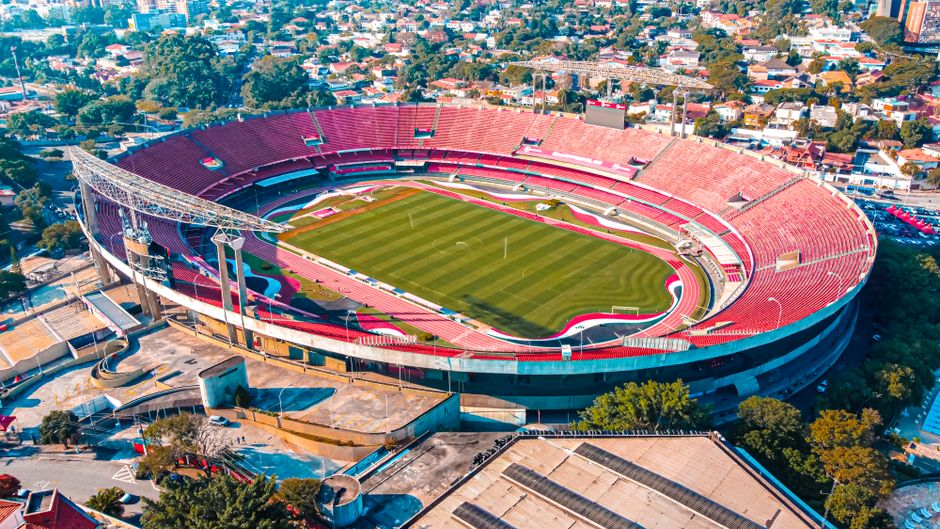
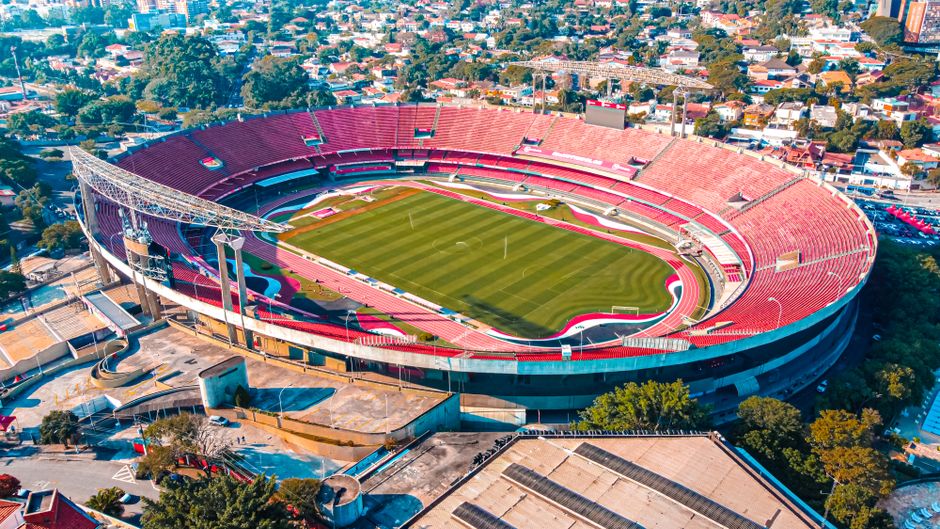
The Estádio do Morumbi, typically associated with elite football, has increasingly opened its facilities to grassroots initiatives. The São Paulo Football Club's community division now manages youth development programmes in partnership with thirteen neighbourhood associations across the zona oeste, reaching young athletes who previously had zero access to professional-level coaching.
But the real story lies in the informal networks. At Praça Cívica in Santo Amaro, the Associação Desportiva Comunitária operates entirely on volunteer labour and community donations. Their basketball league—running since 2015—has produced two players now competing in second-division professional leagues. Investment: minimal. Impact: transformative.
Street handball in Vila Prudente, capoeira circles in the Bom Retiro, women's football collectives in Itaquera—these aren't footnotes to São Paulo's sports infrastructure. They are its foundation. Research from the Universidade de São Paulo's Sport Development Institute indicates that 68 per cent of current professional athletes from poorer neighbourhoods attribute their careers to grassroots community programmes rather than formal academy systems.
As São Paulo continues hosting international sporting events and maintaining its status as a global sports capital, the city's real competitive advantage remains its people—organised, creative, and determined to transform modest concrete spaces into venues of genuine possibility. The major stadiums may dominate the skyline, but the grassroots movements that sustained them through lean years deserve recognition as the true architects of São Paulo's sporting identity.
This article was compiled by AI from the sources linked above and screened before publishing. See our editorial standards.
How does this story make you feel?
Spread the word
About this article
Published by The Daily São Paulo
Daily brief
Free, in your inbox before 7am. Weekdays.
More in Sport