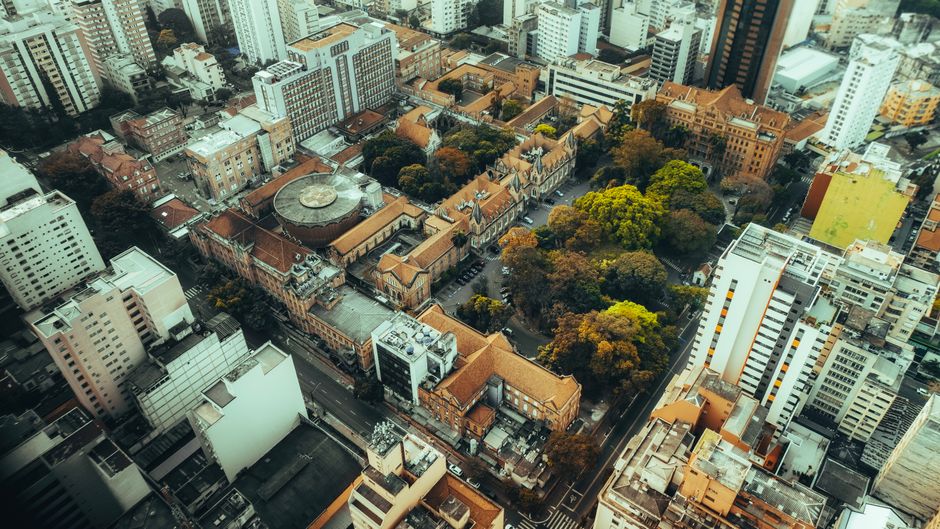
São Paulo's green energy push creates winners, losers, sparks equity debate.
Clean tech investments drive sustainability goals but risk displacing low-income residents and traditional energy workers.
Clean tech investments drive sustainability goals but risk displacing low-income residents and traditional energy workers.
Listen to this article · 3:39
Walk through Vila Madalena on any given afternoon, and you'll see the São Paulo of 2026 that Silicon Valley dreams about: solar panels gleaming atop converted warehouses in the Pinheiros district, electric vehicle charging stations dotting Avenida Paulista, venture capital flowing into green startups clustered around the new sustainability innovation hub near Imigrantes Park. The numbers look impressive—renewable energy now accounts for over 65% of São Paulo state's electricity matrix, among the highest rates globally.
But venture into the periphery—neighborhoods like Grajaú or Itaquera—and a starkly different picture emerges. The promised transition to clean energy has created a troubling two-tier system. While affluent zones in Jardins and Pinheiros install rooftop solar and benefit from government incentives for home energy efficiency upgrades costing upward of R$80,000, low-income families in outer zones pay some of Latin America's highest electricity rates, unable to access the same subsidies that wealthier districts leverage.
The lithium mining rush fueling Brazil's battery manufacturing boom—concentrated in the Amazon and interior regions—has generated its own ethical minefield. Indigenous communities report water contamination and land disputes as international corporations race to capture market share in EV batteries. The green energy sector that promises to save the planet is extracting heavy costs from those with the least political power to resist.
Labor dynamics reveal further complications. Green tech manufacturing facilities sprouting across the ABC region (São Bernardo do Campo, Santo André, Diadema) employ fewer workers than traditional auto manufacturing they're replacing, often at lower wages. Recycling operations for old solar panels and batteries—nascent but growing—have emerged in poor neighborhoods with minimal environmental oversight, creating health hazards for workers overwhelmingly from marginalized communities.
Sustainability organizations operating from gleaming offices in Vila Mariana acknowledge these contradictions but struggle with solutions. How do you scale clean energy equity in a city of 12 million where wealth concentration remains extreme? Do solar subsidies for middle-class homeowners represent progress if they're funded through rate structures that burden those who can't afford rooftop installations?
The challenge isn't whether São Paulo should pursue green energy—it must. The challenge is ensuring this transition doesn't become another mechanism for deepening inequality. Without deliberate, enforceable equity frameworks, São Paulo risks building a sustainability agenda that looks good from Paulista Avenue while leaving the periphery in the dark.
This article was compiled by AI and screened before publishing. See our editorial standards.
How does this story make you feel?
Spread the word
About this article
Published by The Daily São Paulo
Daily brief
Free, in your inbox before 7am. Weekdays.
More in tech