property
São Paulo's Neighborhoods Reveal Stark Economic Divides for Residents
Understanding the stark economic and geographic divides that shape the city's residential options for potential residents.
How we reported this
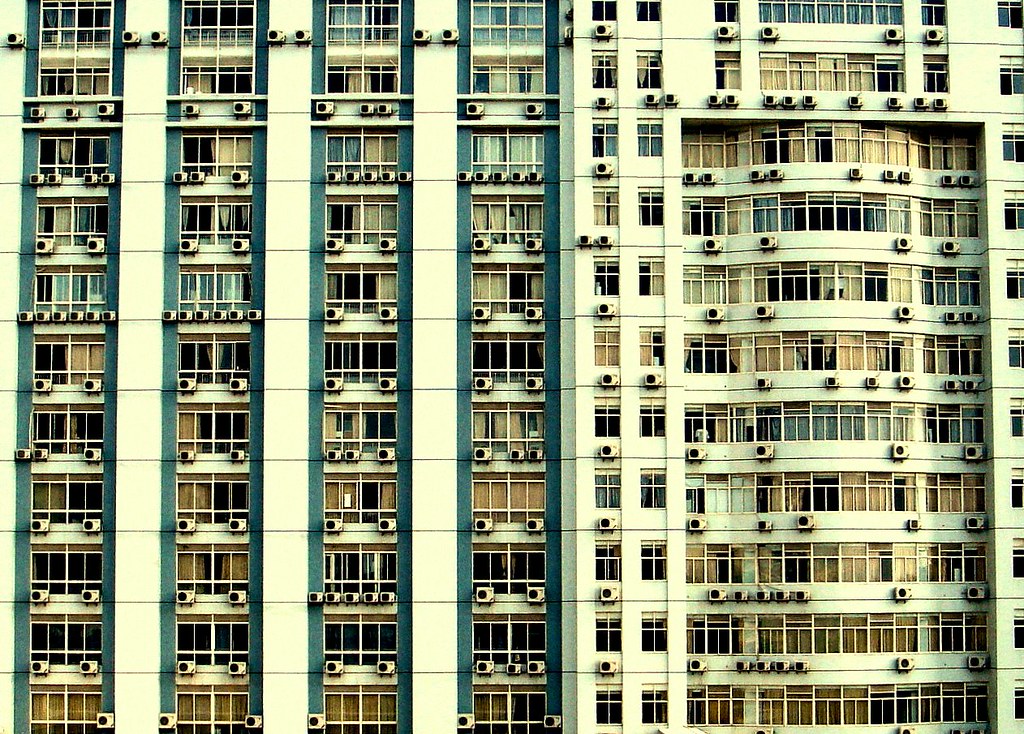
Navigating the residential landscape of São Paulo requires a clear understanding of the city's complex geography. Unlike the suburban models found in North American cities, São Paulo's residential zones are defined by stark economic contrasts. While some neighborhoods are synonymous with luxury and high-end infrastructure, others, commonly referred to as the periferia, face significant challenges including long commute times, limited access to healthcare, and lower average incomes for their population of over 2 million residents.
The Characteristics of Established Wealthy Neighborhoods
For those looking at premium real estate, specific neighborhoods have emerged as centers of luxury housing and cultural amenities. Areas such as Brooklin, Campo Belo, Moema, Pinheiros, and the Jardins district-notably Jardim Europa and Itaim Bibi-are recognized for providing high-end dining options, extensive green spaces, and a higher density of service-oriented infrastructure. These areas serve as significant hubs for business and lifestyle, with the West region of the city in particular concentrating a substantial portion of the city's economic activity, accounting for 28.5% of jobs despite housing only 7.7% of the total population.
Property Values and Residential Standards in Jardim Europa
Jardim Europa represents the upper end of the residential market. The area is characterized by 1950s and 1960s-era single-family mansions set within established, lush gardens. According to available data, new homes in this specific neighborhood reach an average of BRL 30,000 (US$8,637) per square meter. These figures reflect the area's standing as one of the city's most exclusive residential locations.
Safety and Regional Considerations for Buyers
Safety is a primary factor for any resident or investor when evaluating property in São Paulo. The city exhibits broad variations in security depending on the district. Reports indicate that Jardins, for example, recorded its lowest robbery rates in 25 years during 2025. Conversely, areas such as Cracolândia and various outer favelas, including Jardim Angela and Capão Redondo, present significant risks and are generally advised against for visitors. Potential residents should conduct thorough due diligence, as the proximity between high-wealth enclaves and less affluent communities often results in stark inequalities that shape the daily experience of these diverse neighborhoods.
Produced with AI assistance and reviewed against our editorial standards. Sources are linked where available. Spotted an error or need a correction? Contact corrections@dailynetwork.news.
This article is general information only and is not personal financial or investment advice. Consider your own circumstances and seek licensed professional advice before making financial decisions.