property
São Paulo's Infrastructure Boom Delivers Thousands of New Homes in 2026
A wave of infrastructure projects and housing developments is reshaping urban mobility and residential options across São Paulo this year.
How we reported this
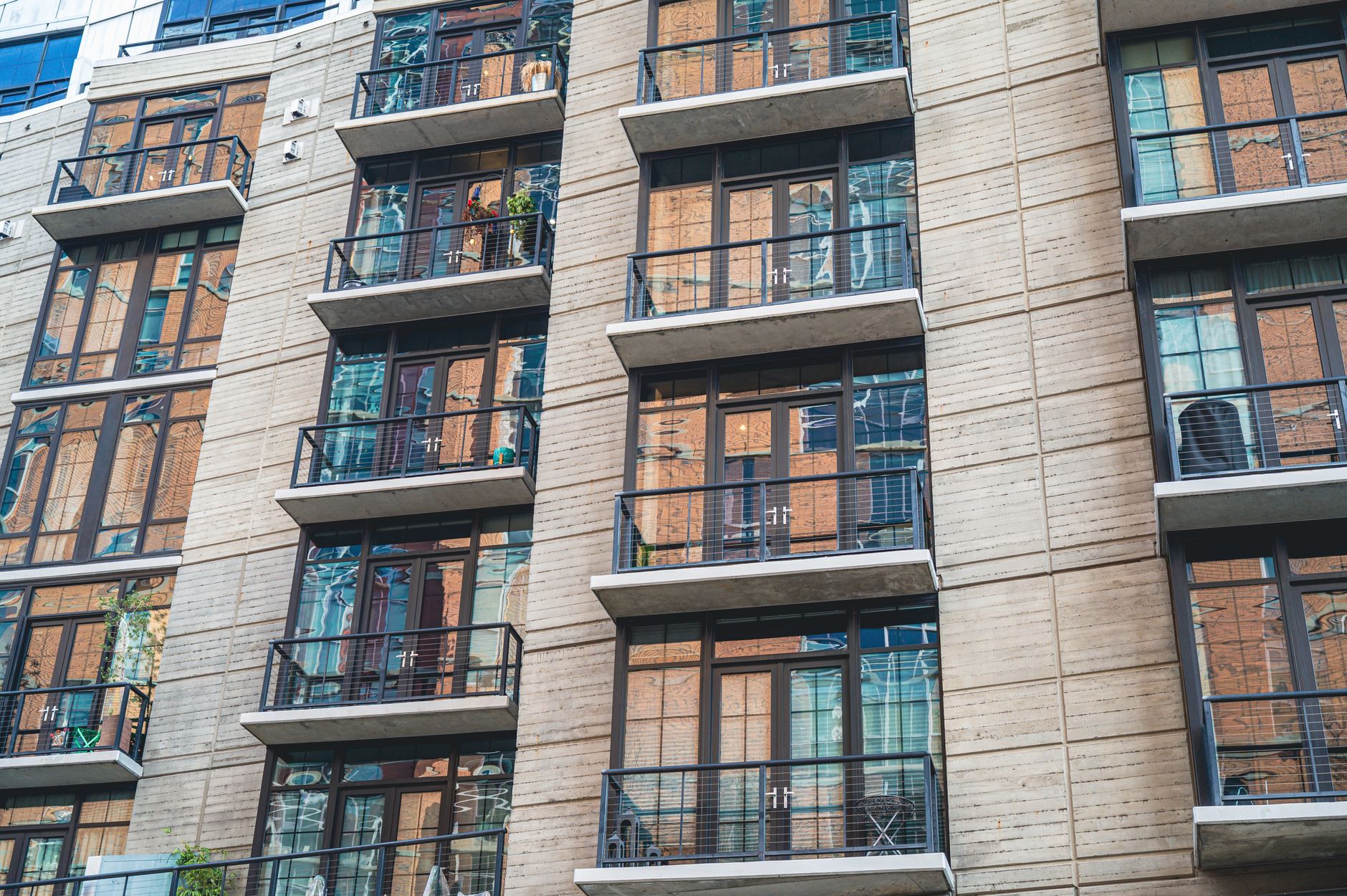
São Paulo is currently navigating one of its most intensive urban investment cycles in recent history. As of the start of 2026, the city has 1,748 infrastructure projects running simultaneously across all regions, according to data from the municipal government. This expansive work includes major transit improvements, environmental restoration, and a significant increase in housing supply, factors that are currently influencing the city's real estate landscape.
Expanding Transit Connectivity
One of the central pillars of the city's current development phase is the improvement of public transport, which has historically been a significant factor for property value and resident accessibility. The Metro Line 6-Laranja, a project with an investment of US$3.5 billion (R$18 billion), is a key focus for 2026. This 15.3 km line is expected to have a partial inauguration this year. Once operational, the new route is designed to reduce travel time for commuters from 90 minutes down to 23 minutes, significantly altering the connectivity between the city's peripheral areas and central hubs.
Residential Growth and Regional Investment
The Zona Leste is experiencing a notable increase in residential availability. In 2026, seven new MRV developments are being launched in this region. These projects are set to add more than 2,000 residential units to the local market. Importantly, these developments are positioned near established transit hubs, specifically Jardim Colonial and Corinthians-Itaquera, which provides residents with direct access to the wider metro network. Buyers looking for new inventory in this sector should consider the impact of this proximity to transit as a primary driver of the current development strategy.
Environmental and Tech-Driven Urban Changes
Beyond transportation and housing, the city's infrastructure agenda includes the ongoing Pinheiros River cleanup project. With over R$1 billion invested, the initiative has already removed 90,000 tons of waste and provided treated water for 500,000 residences. The project has also integrated new ciclovias and leisure areas, which are increasingly sought after in urban residential planning. Furthermore, the city remains a significant hub for innovation, hosting over 360,000 technology companies and 3,877 startups. With 55% of Brazil's deep tech startups concentrated here, the demand for housing remains supported by a robust professional and scientific workforce.
For those looking to invest or move, the current focus is on areas benefiting from these massive infrastructure improvements. Potential buyers should monitor the phased openings of transport corridors and the continued environmental rehabilitation of local river systems, as these projects remain central to the city’s ongoing urban development strategy. Produced with AI assistance and reviewed against our editorial standards. Sources are linked where available. Spotted an error or need a correction? Contact corrections@dailynetwork.news.
This article is general information only and is not personal financial or investment advice. Consider your own circumstances and seek licensed professional advice before making financial decisions.