Renter Survival Guide: What to Do When Your Lease Ends in a Tight São Paulo Market
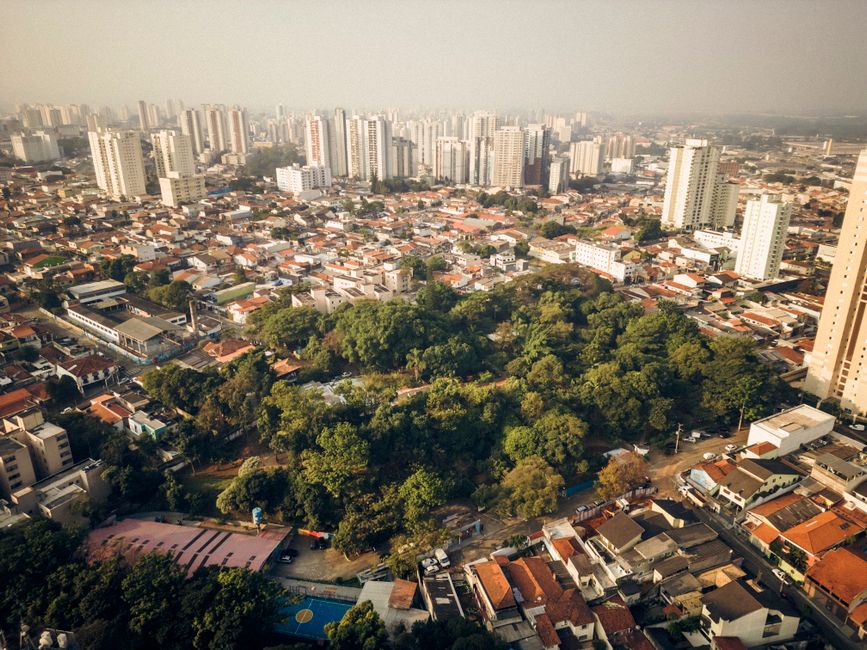
With listings at record lows from Jardins to Vila Madalena, tenants are scrambling for solutions as contracts expire.
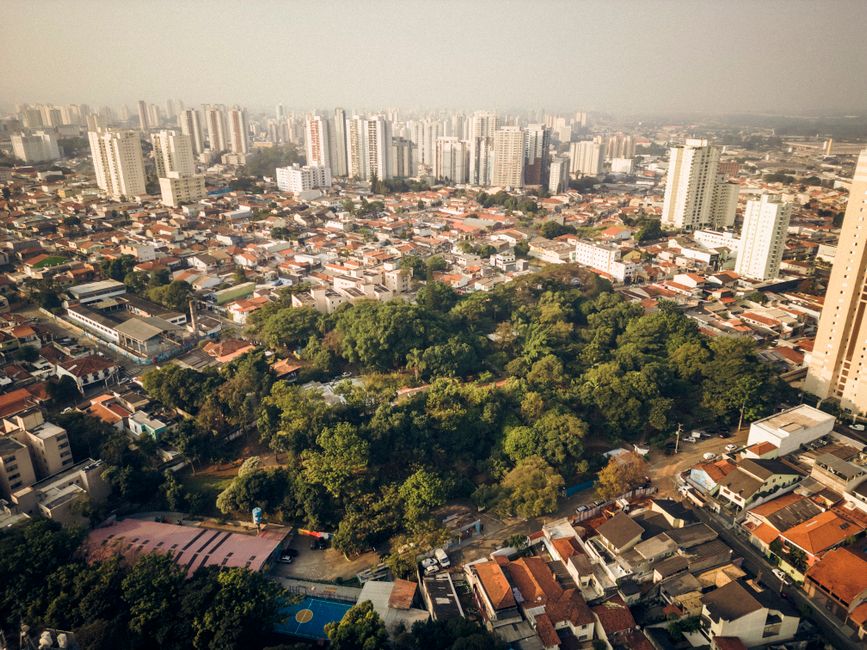
With listings at record lows from Jardins to Vila Madalena, tenants are scrambling for solutions as contracts expire.

São Paulo tenants whose leases end this winter are facing one of the city’s toughest rental crunches in years, with few vacant apartments and asking prices climbing above BRL 10,000 per square meter in key areas.
This comes as neighborhood supply dries up across both established and up-and-coming districts. Many São Paulo renters now find themselves with just weeks to decide: pay more, downsize, or make risky last-minute bids for rare openings. Property managers from leading firms like Lopes and QuintoAndar report a 25% drop in listings since last July, amplifying pressure on tenants to act fast.
The shortage is most acute in central-and-west neighborhoods where rental demand is strongest. On Rua Oscar Freire in Jardins, a one-bedroom apartment easily draws 20 interested parties within 48 hours of being posted, brokers say. In Vila Madalena, trendy with young professionals, open houses have become standing-room only affairs. Tatuapé and Mooca, long considered value picks on the East Side, are now seeing new-build units advertised for 30% more than last year’s average.
Garcia Imóveis, located on Avenida Angélica, confirms its portfolio of rentals has shrunk by half since autumn. The agency’s director, Andréa Garcia, points to stricter mortgage rules introduced last January and a spike in foreign buyers snapping up central flats as key factors. Academic research by FipeZAP shows that São Paulo’s median asking rent reached BRL 5,000/month for a 70 square meter flat in May 2026—a figure up 18% from the previous year.
So what can renters realistically do? The first step is starting the search early—agents recommend contacting landlords or property managers at least 90 days before your lease expires. Some companies, such as QuintoAndar, now offer early renewal incentives or short-term rollover leases, which can buy tenants another six months before being forced to make a move.
Price-sensitive renters have begun turning to more peripheral areas with stronger metro connections. Districts like Saúde (on Line 1-Blue) and Santa Cecília (Line 3-Red) have seen stable rent increases but remain around 33% more affordable than Pinheiros or Itaim Bibi, according to data from Secovi-SP. Co-living solutions are also more widely offered: startup Yuca, headquartered near Avenida Paulista, now manages over 600 shared living units citywide, all with flexible lease terms.
For those willing and able to buy, high interest rates (with Banco Central’s Selic rate at 10.75%) have cooled the sales market but not enough to bring down prices. As a result, the renter-to-buyer pipeline remains sluggish. “Many tenants are caught in a squeeze—they can’t buy yet, and finding a new rental is like winning the lottery,” says a São Paulo-based relocation specialist.
For lease-enders, the advice is clear: survey your options, tap your network, and act before peak turnover season in August. It’s a landlord’s market for now, but knowing the right neighborhoods—and negotiating for flexible terms—can make all the difference this winter.
How does this story make you feel?
Spread the word
About this article
Published by The Daily São Paulo
Daily brief
Free, in your inbox before 7am. Weekdays.
More in Property