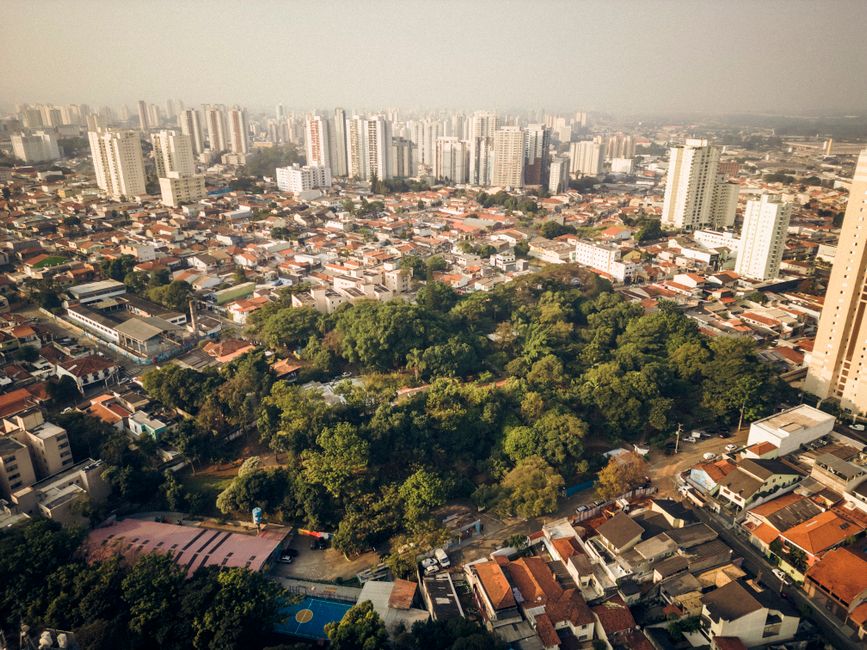
What São Paulo Renters Can Do When Leases Expire Amid Tight Supply
Rising prices and scarce vacancies are forcing tenants from Jardins to Mooca to take urgent steps as lease deadlines loom.
Rising prices and scarce vacancies are forcing tenants from Jardins to Mooca to take urgent steps as lease deadlines loom.
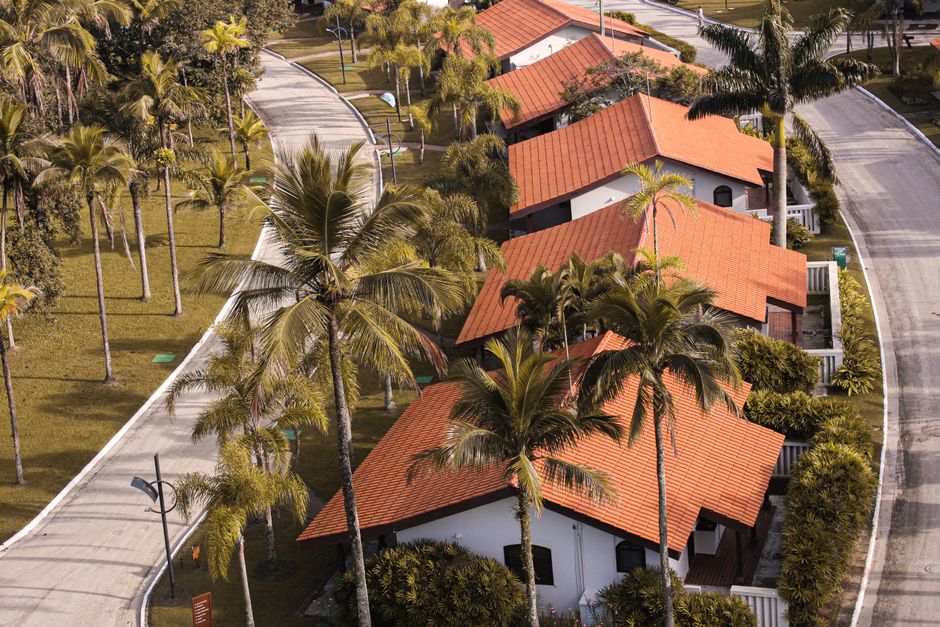
São Paulo’s rental market is now so tight that tenants whose leases are expiring this month face steep price hikes, fewer options, and the prospect of scrambling for a new home with little warning. Real estate agents in the city report a sharp increase in displaced renters, particularly in popular neighbourhoods like Vila Madalena and Itaim Bibi, as the supply squeeze worsens.
This crunch comes as São Paulo’s property sector weathers a national affordability crisis. Surging demand and a chronic shortage of new rental units have driven average prices up by over 20% in the past two years, according to FipeZap figures. For thousands whose contracts end every month on streets from Alameda Lorena in Jardins to Avenida Celso Garcia in Tatuapé, the reality is simple: more competition and sharply higher asking rents.
In premium zones like Pinheiros and Itaim Bibi, prices for new leases have hit BRL 12,500 per square metre, brokers at Lopes Consultoria confirm. Some landlords now ask for 25–30% more for lease renewals or push out existing tenants to chase corporate relocations. In Vila Madalena, known for its arts and dining scene, many renters report being given just 30 days’ notice to vacate in favour of buyers or higher-paying tenants. Rental agency QuintoAndar recently noted that vacancy rates in these areas are at their lowest since 2021.
The east side tells a similar story, though at more accessible prices. Tatuapé and Mooca—once considered affordable alternatives—have seen growth in demand drive median rents to BRL 7,500 per square metre, according to data from Secovi-SP. Here, local associations like Associação de Moradores de Mooca have recorded a spike this quarter in families renewing short-term lets rather than facing open-market competition. Long lines for viewings are now common on Rua da Mooca and Rua Tuiuti as soon as any property is listed.
FipeZap’s June 2026 index sets São Paulo’s average residential lease price at BRL 10,100/sqm—an 18% annual leap, outpacing salary adjustments and inflation. The city recorded a drop in active listings by 14% over the same period. Local property platforms, including Zap Imóveis, suggest many landlords are switching units from long-term rental to short-stay holiday lets, further squeezing permanent renters.
Tenants caught out by expiring leases still have options. Organisations like the Sindicato dos Inquilinos de São Paulo advise immediate negotiation; many landlords are open to small, staggered increases rather than risking weeks of vacancy. In neighbourhoods like Santa Cecília, tenant collectives have pooled resources to secure bulk rents or co-living spaces. For those willing to relocate, exploring emergent rental corridors like Brooklin or Barra Funda, where prices hover 15–20% below Itaim Bibi, can buy time to regroup financially.
Looking ahead, the wave of new apartment launches in districts along Avenida Paulista and the expansion of rental incentive schemes by Caixa Econômica Federal may bring some relief over the next 12–18 months. But for renters facing an imminent contract expiry this winter, experts advise: negotiate early, widen the search area, and lean into digital alerts on platforms like OLX and Loft to catch fresh opportunities the moment they appear. In São Paulo’s high-stakes rental game, speed and flexibility have never mattered more.
How does this story make you feel?
Spread the word
About this article
Published by The Daily São Paulo
Daily brief
Free, in your inbox before 7am. Weekdays.
More in Property