How Much Rent is Too Much? The 30% Rule in Practice in São Paulo
As average rents surge past R$4,000 in key districts, São Paulo’s classic affordability guideline is under fresh scrutiny.
As average rents surge past R$4,000 in key districts, São Paulo’s classic affordability guideline is under fresh scrutiny.
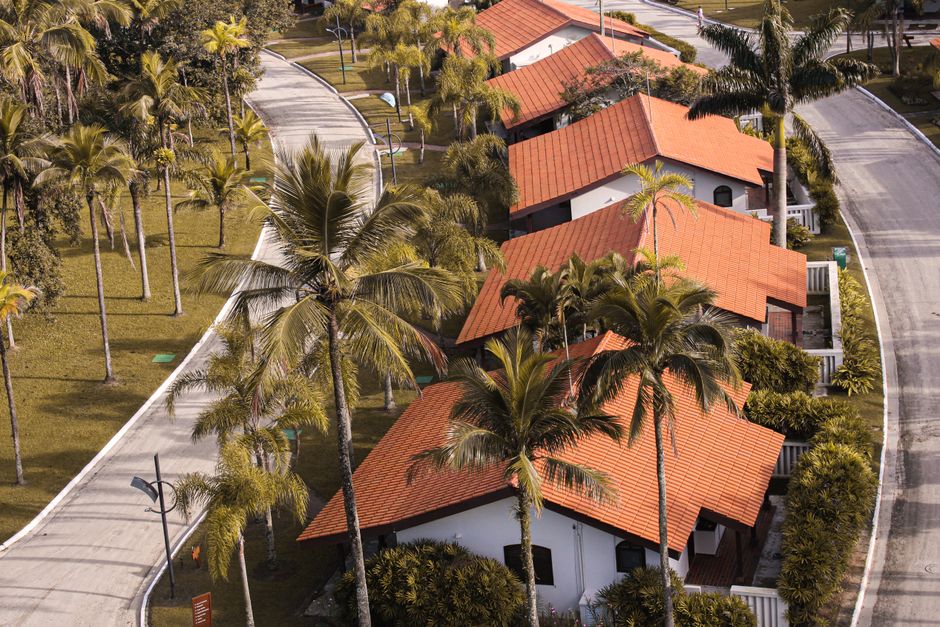
On Rua Oscar Freire, a two-bedroom apartment now commands upwards of R$7,500 per month in rent. For many São Paulo tenants, these numbers push beyond the city’s long-standing affordability benchmark: the so-called 30% rule, which holds that no more than a third of household income should go to rent. Yet with tightening vacancy rates and rising demand from young professionals, more Paulistanos are stretching this limit—and risking a fragile financial balance.
This question lands at an urgent moment. June data from FipeZap shows São Paulo’s average residential rental prices jumped 12.4% year-on-year—outpacing wage growth and keeping pressure on city budgets already strained by inflation. As extreme European heatwaves, volatile global energy prices, and regional conflicts bite into economic stability, locals face stark decisions about where, and how, they can afford to live.
Pinheiros, known for its leafy streets and lively bar scene, has seen rents soar above R$70 per square meter in new complexes along Avenida Brigadeiro Faria Lima. According to a June survey from Secovi-SP, rental contracts signed in Pinheiros and neighboring Jardins regularly exceed the magic 30% threshold for individuals earning less than R$15,000 a month. “When I moved to Mooca in February, I found prices there rising, too—though still below the premium zones,” said a new resident, who asked to remain unnamed. A standard 70sqm apartment in Mooca now fetches around R$3,300 monthly—a figure up 8% since last winter, according to Zap Imóveis.
The pressure isn’t limited to these coveted corners. Districts like Tatuapé and Vila Madalena also attract upwardly mobile renters and remote workers, with developers quick to offer compact studios but at prices rarely matched by the city’s median salaries. The average listed rent citywide in May reached R$4,200 for a 60sqm apartment, according to QuintoAndar’s latest market report.
The math gives pause. With São Paulo’s median household income hovering just below R$8,500 this year (based on IBGE’s 2025 data), a family should ideally cap their monthly rent around R$2,550 to stay under the 30% rule. But in Itaim Bibi, listings under R$5,000 for anything larger than a studio have virtually disappeared, and in Vila Madalena, 50sqm flats routinely exceed R$3,500. "It’s common now for clients to allocate up to 40% of their take-home pay," said a local property manager with Lopes Imobiliária, referencing the stubborn gap between incomes and rents.
On the buy side, soaring condo prices (averaging more than R$10,000 per sqm across central zones) and the Central Bank’s Selic rate hovering at 10.5% have made mortgages daunting for first-time buyers, keeping many renters in the market for longer. The city housing agency COHAB-SP continues to promote subsidized leases, but its current program covers less than 5% of eligible low-income families, leaving the vast majority exposed to market economics.
As landlords adjust prices and tenants chase stability, credit specialists at SPC Brasil urge renters to revisit household budgets regularly, searching for insurance, utilities or streaming subscriptions that can offset higher lease costs. For those pinched hardest, alternative models—such as coliving spaces or city-backed shared-housing programs—are set to expand this spring, especially near transit hubs like Estação Barra Funda and Anhangabaú. With vacancy rates down across the Centro area and new supply lagging demand, São Paulo residents are left carefully calculating how much rent is too much for their own survival in a shifting market.
How does this story make you feel?
Spread the word
About this article
Published by The Daily São Paulo
Daily brief
Free, in your inbox before 7am. Weekdays.
More in Property