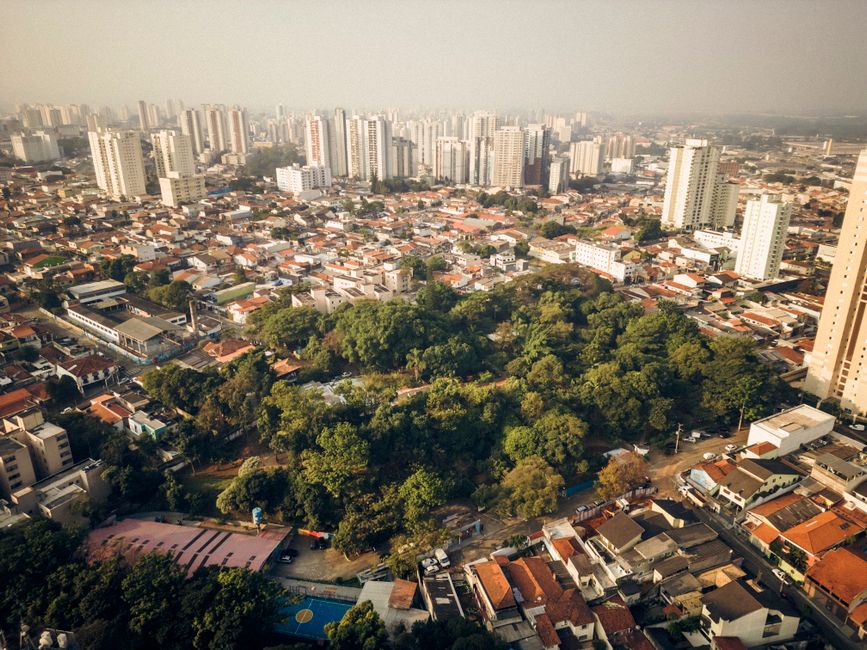
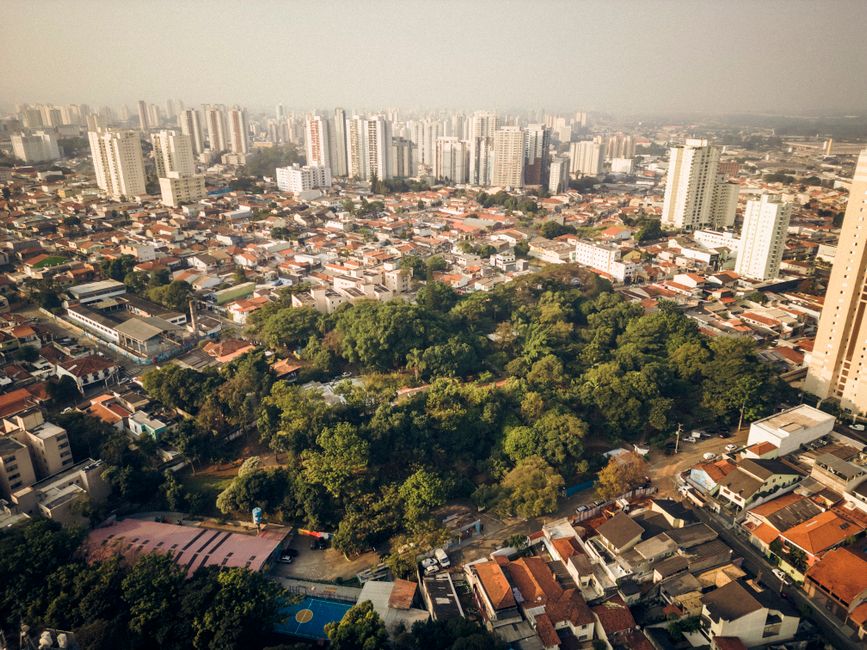
The Rent-Vesting Strategy Explained for São Paulo’s Real Estate Market
Should you buy where you can or rent where you want to live? The rent-vesting trend is gaining traction among São Paulo’s young professionals.
Should you buy where you can or rent where you want to live? The rent-vesting trend is gaining traction among São Paulo’s young professionals.

The price gap between buying and renting in São Paulo has never been more pronounced. With luxury condos in Itaim Bibi selling for upward of BRL 25,000 per square meter and rents in Vila Madalena climbing by 18% in the past year, a growing number of paulistanos are embracing an approach known in finance circles as 'rent-vesting.'
This trend matters now for thousands entering São Paulo’s overheated property market. High inflation—consumer prices rose 4.3% last year—and mortgage rates hovering above 11% mean that purchasing a home in desirable neighborhoods is out of reach for many salaried workers. Yet rents in central zones remain persistently high, often outpacing wage growth. The question for many is no longer just 'buy or rent,' but 'where to buy and where to rent.'
Rent-vesting flips the traditional dream of homeownership on its head. Instead of struggling to buy a first home in hotspots like Jardins or Pinheiros, young professionals are purchasing investment properties in more affordable areas such as Tatuapé or Mooca, while choosing to rent closer to work or nightlife hubs. For example, a 70 sqm two-bedroom apartment on Rua Serra de Bragança in Tatuapé lists for around BRL 540,000. The same size unit in Pinheiros can top BRL 1.2 million—putting it beyond reach for many.
Institutions like Banco Inter and Itaú have reported a noticeable uptick in mortgage applications for units in emerging eastern neighborhoods since late 2025. At the same time, search volumes for Pinheiros, Vila Madalena, and Consolação apartment rentals have surged, according to reports from QuintoAndar, the city’s largest rental platform.
In raw numbers, São Paulo’s overall average price per square meter for purchases stands at BRL 10,093 as of June 2026, according to FIPEZAP. However, a stark divide remains: high-demand central zones regularly break the BRL 20,000/sqm barrier, while districts like Mooca remain closer to BRL 8,500/sqm. Meanwhile, average rental yields in the city are approximately 4.7%, with Mooca and Tatuapé apartments often yielding above 5%. That’s attractive to investors—especially with renting a good apartment in upscale Itaim Bibi easily setting a tenant back BRL 7,500 per month for a basic 90 sqm unit.
The rent-vesting math can be compelling: owning a unit in Mooca may run BRL 400,000 with rental income of BRL 2,000/month, offsetting the monthly rent for a preferred, pricier address elsewhere in the city. According to Lopes Consultoria de Imóveis, almost 23% of sub-40 property buyers in the last year have targeted investment units outside their current neighborhood.
For those going this route, experts advise careful cost-benefit analysis. Investors need to account for property taxes (IPTU), condominium fees, and vacancy periods. Barra Funda, for instance, saw a 25% increase in rental vacancies between September 2025 and March 2026, pressuring expected returns.
São Paulo’s rental market shows no sign of cooling off in areas popular with young professionals and international firms. Those considering rent-vesting should map out their net gains, factoring in mortgage repayments, landlord costs, and local taxes. Tools like SP Urbanismo’s real estate map, as well as mortgage simulators such as those offered by Itaú and Santander Brasil, can help future buyers compare scenarios in real time.
This strategy isn’t for everyone, but it’s attracting a new class of investors who want lifestyle flexibility and a foothold in property investment. With the next round of IPCA inflation data due July 12 and property sites reporting double-digit rental price hikes again for prime neighborhooods, the buy-where-you-can, rent-where-you-want trend is set to shape São Paulo’s housing landscape for months to come.
How does this story make you feel?
Spread the word
About this article
Published by The Daily São Paulo
Daily brief
Free, in your inbox before 7am. Weekdays.
More in Property