São Paulo Luxury Zoning: Jardins & Itaim Bibi Rules
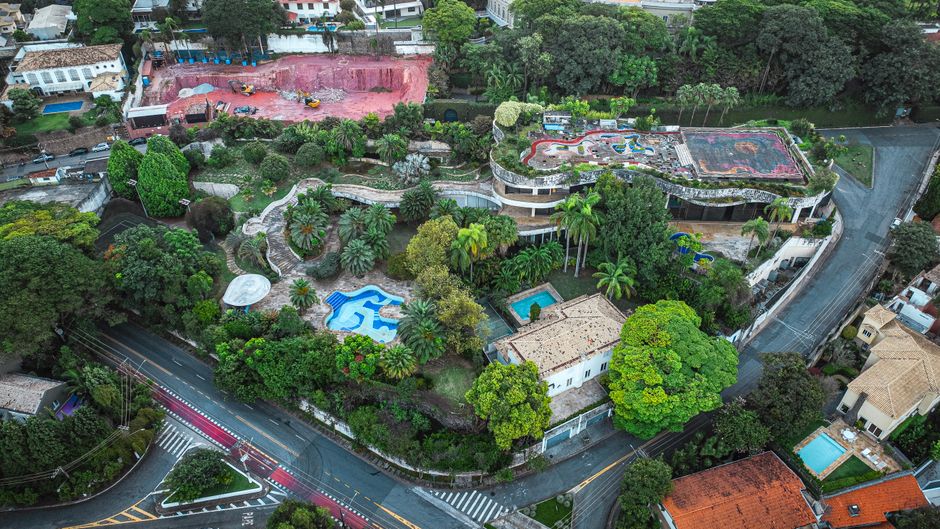
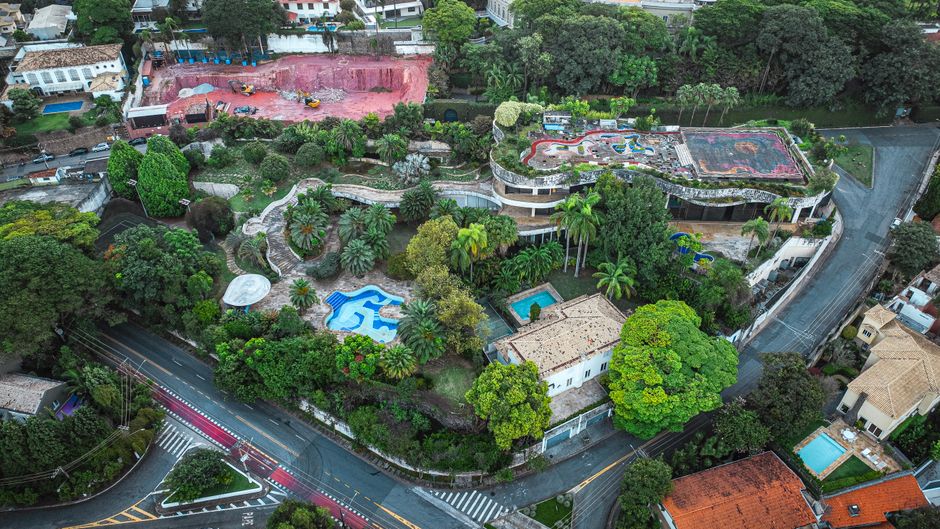
New zoning restrictions and heritage rules reshape ultra-luxury property development in São Paulo's Jardins and Itaim Bibi neighbourhoods, affecting prices and availability.
New zoning restrictions and heritage rules reshape ultra-luxury property development in São Paulo's Jardins and Itaim Bibi neighbourhoods, affecting prices and availability.
Listen to this article · 3:58
São Paulo's ultra-luxury property market is experiencing a significant recalibration as new municipal zoning restrictions and heritage preservation orders reshape development opportunities across premium postcodes. The shift, driven by recent planning decisions from the Prefeitura and Secretaria de Urbanismo, is already influencing valuations in Jardins, Itaim Bibi, and neighbouring Pinheiros—areas that have commanded prices upwards of BRL 15,000 per square metre.
The revised zoning framework, implemented earlier this year, imposes tighter restrictions on vertical expansion and façade modifications in heritage-designated streets including Rua Bandeira, Rua Haddock Lobo, and portions of Rua Groenlândia in the Jardins district. Properties fronting these thoroughfares now face extended approval timelines and stricter architectural compliance requirements, effectively limiting the scale of premium renovation projects that have historically driven value appreciation.
"We're seeing a bifurcation in the luxury market," explains the outlook from major local real estate associations tracking the sector. Properties with existing permissions or grandfathered status command premiums, while newly listed units in restricted zones experience longer selling cycles and more conservative pricing. Average negotiation periods in these areas have extended by approximately three months compared to the previous two years.
Itaim Bibi, traditionally São Paulo's strongest luxury performer with prices reaching BRL 18,000 per square metre for premium addresses near Avenida Brigadeiro Faria Lima, has absorbed these changes more fluidly. The neighbourhood's existing building stock and fewer heritage constraints have positioned it as an alternative magnet for high-net-worth buyers previously focused on Jardins acquisitions.
The policy shift also affects trophy properties marketed as development opportunities. Ultra-large land parcels suitable for architectural statement projects—once considered standard inventory in Vila Madalena's emerging luxury corridor—now require navigating complex environmental assessments and community consultation protocols introduced through revised municipal guidelines.
Market observers note that transparency requirements around beneficial ownership and source-of-funds documentation, aligned with national anti-money-laundering directives, have introduced additional friction into high-value transactions above BRL 10 million. While aimed at market integrity, these measures have extended closing timelines and created documentation burdens unfamiliar to traditional luxury vendors.
The combined effect has stabilised rather than suppressed ultra-luxury pricing. São Paulo's most coveted addresses—Rua Oscar Freire, Rua Estados Unidos, and Itaim Bibi's premium towers—maintain strong momentum, with selective properties appreciating steadily. However, secondary premium locations now face genuine price discovery, reversing years of automatic appreciation assumptions that characterized the pre-2026 market.
This article was compiled by AI and screened before publishing. See our editorial standards.
How does this story make you feel?
Spread the word
About this article
Published by The Daily São Paulo
Daily brief
Free, in your inbox before 7am. Weekdays.
More in Property