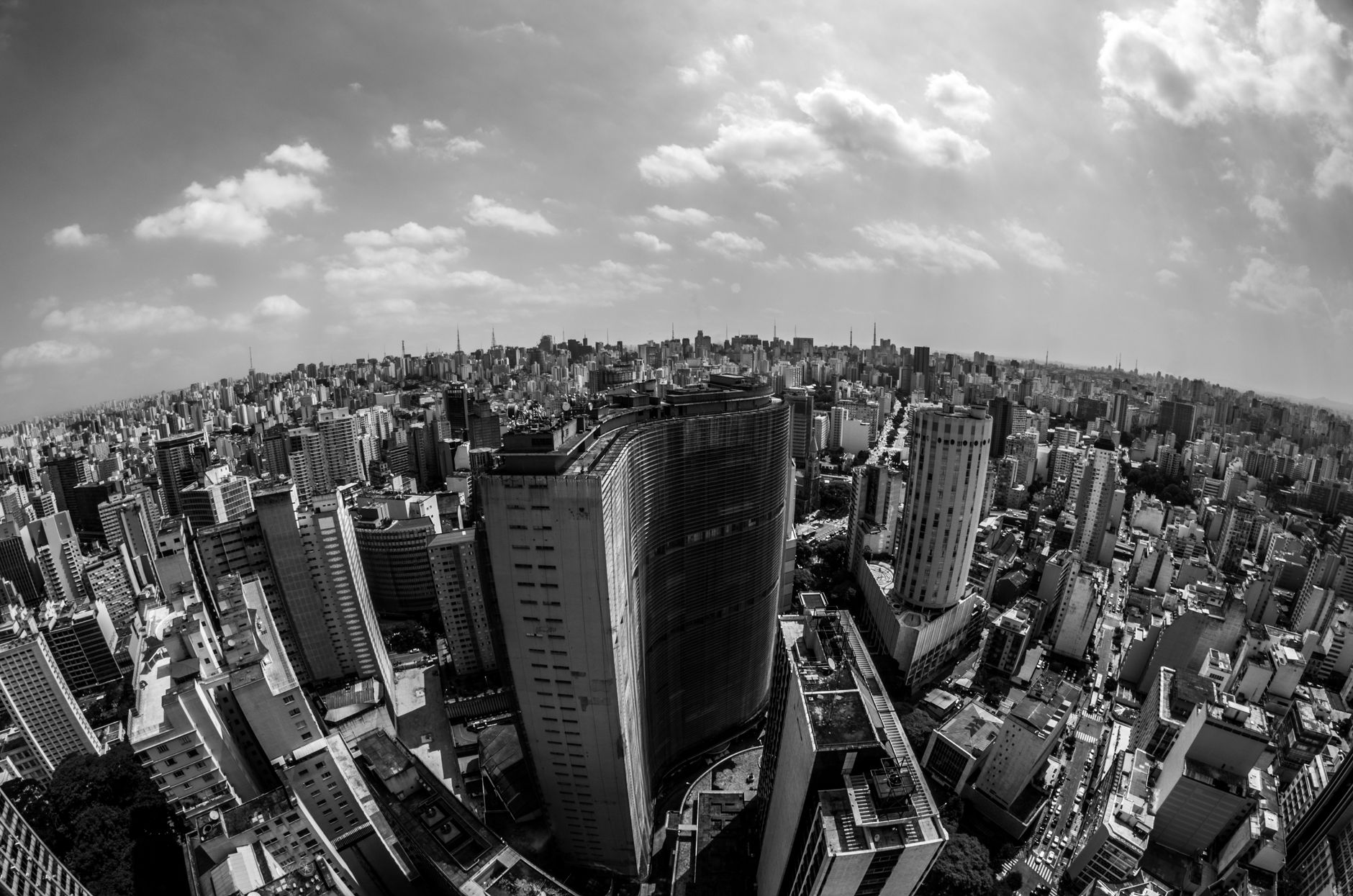
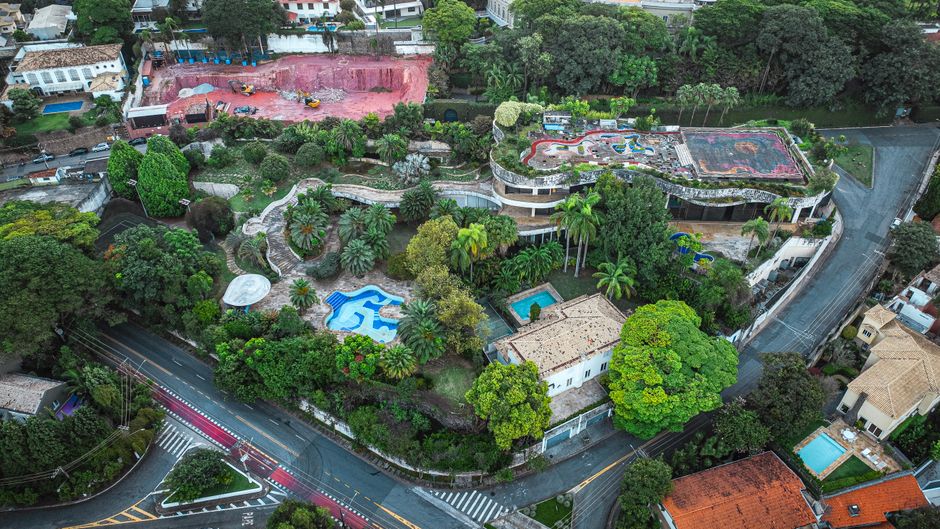
Tatuapé has long existed in the shadow of São Paulo's established prestige addresses. While investors flocked to Pinheiros and Itaim Bibi, the East Zone neighbourhood remained relatively quiet—a working-class enclave with solid bones but limited cachet. That equation is shifting dramatically as major developments reshape the urban landscape along and around Avenida Celso Garcia.
The catalyst is a cluster of mixed-use projects that blend residential towers with street-level retail, cultural spaces, and public gathering areas. These aren't isolated constructions; they're part of a coordinated urban renewal that's attracting both owner-occupiers seeking value and institutional investors banking on demographic expansion. Property values in Tatuapé have climbed approximately 12 per cent year-on-year over the past three years—outpacing the broader São Paulo market average of 8 per cent—as developers bet on the neighbourhood's proximity to metro infrastructure and emerging creative economy.
What makes this moment distinctive is the focus on mixed-use integration. Rather than tower-only residential projects typical of the 1990s-2000s boom, new developments are incorporating ground-floor cultural programming, co-working spaces, and local retail designed to activate streetscapes. This mirrors successful urban densification strategies seen in neighbourhoods like Vila Madalena, but with Tatuapé's advantage: significantly lower entry prices. Where comparable residential units in Pinheiros command BRL 15,000-18,000 per square metre, Tatuapé currently averages around BRL 10,500.
The infrastructure narrative matters too. Proximity to the Tatuapé metro station—a key node on the red line serving Zona Leste—provides transport connectivity that justifies density. Combined with plans for improved cycling infrastructure and pedestrian zones, developers are positioning the neighbourhood not as a dormitory, but as a self-contained urban ecosystem.
Market data suggests institutional capital is taking notice. Several large property funds have quietly accumulated land parcels in the neighbourhood, while development companies that typically focus on Higienópolis and Vila Mariana are unveiling launches here. Residential launches in Tatuapé totalled approximately 3,200 units in 2025, more than double 2023 figures.
The risk, of course, is execution. Urban renewal projects succeed or fail based on whether promised amenities materialise and whether community displacement occurs. Early indicators suggest local stakeholders and municipal authorities are coordinating more carefully than in previous cycles, though affordability pressures remain genuine.
For investors, Tatuapé represents the kind of moment when returns reward those who recognise value before it becomes consensus. The neighbourhood is neither hidden nor overheated—precisely the position where development projects function as the narrative catalyst for sustained appreciation.
This article was compiled by AI and screened before publishing. See our editorial standards.